Category Archives: Landscape

Photos: Paragliding festival in Marivan, Iran

A paragliding festival was organized in the city of Marivan, Kurdistan Province, near Zarivar Lake. More than 150 people from across the country participated at the event.

Related articles:
The other Iran | Iran’s Kurdistan Province: From Sanandaj to Marivan,
The other Iran | Photo Series: Winter in Iran – Marivan, Kurdistan Province

Source: IRNA | Photos

Iran’s Isfahan Province: The Zayandeh-Rood

Beautiful photos of Isfahan’s bridges!

kimikash's avatarIran: A World Unknown

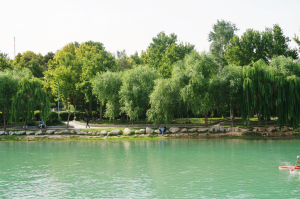
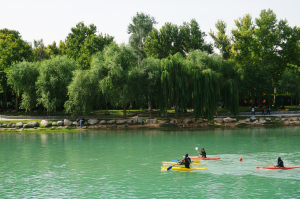
DSC01900The Zayanderud (Zayandeh River) is the largest river in the central plateau of Iran. It crosses directly through the city of Isfahan. In 2010, the river dried out completely after several years of draught. Today the river flows with water once again, however the city continues to close and open the dam throughout the year depending on water shortages throughout the districts. The water that forms the river originates from the inside of the Zagros Mountains and flows 400 kilometers. The 400 km of river is spanned by may historical bridges that were built in the Safavid era. The Zayanderud is the reason for the prosperity of the central Iranian provinces of Isfahan and Yazd. Two of the most famous bridges on the Zayanderud are the Siosepol (33 Bridge) and Pol-e Khaju (Khaju Bridge).
DSC01901 Women wearing head-to-toe hijab are having kayaking practice on the Zayanderud. They are padding upstream while…

View original post 336 more words

Photos: Lar National Park in Tehran and Mazandaran Provinces, Iran

Lar National Park (in Persian: Park-e Melli-e Lar) is a protected area in Iran on the foot of Mount Damavand, straddling the provinces of Mazandaran and Tehran. The Lar Dam is located in the park, and is a major tourist attraction because it is just 70 kilometers northeast of Tehran. The park covers around 30,000 hectares. It has been a national park since 1976 and a protected area since 1982 by the Iran Department of Environment. Since 1991 hunting has been prohibited.

Sources: Wikipedia | Lar National Park, Tasnim News Agency | Photos

Photos: Beautiful spring photos from Iran’s East Azerbaijan Province

Beautiful spring nature of East Azerbaijan Province, in northwest region of Iran.

Source: Mehr | Photos

Photos: Eshkevarat in Gilan and Mazandaran Provinces, Iran

Eskevarat is a region on the Alborz that extends through Gilan and Mazandaran Provinces.

The rural district (dehestan) Eshkevar-e Sofla lies in Rudsar County, Gilan Province. It has 46 villages and a population of 4,842 inhabitants (2006). Eshkevar is the name of a rural district with 11 villages in Ramsar County, Mazandaran Province. At the 2006 census, its population was 1,600.

Sources: Mehr News Agency | Photos 1, Mehr News Agency | Photos 2, Tishineh | Eshkevarat (Persian), Wikipedia | Eshkevarat (Persian), Wikipedia | Eshkevar-e Sofla, Wikipedia | Eshkevar

Iran’s Chaharmahal & Bakhtiari Province: Helen Protected Area

Helen Protected Area is located in the central Zagros Mountains, in Chahar Mahal and Bakhtiari Province. With approximately 30,000 hectares of oak trees, the area is home to a wide variety of species, including brown bears, leopards, wildcats and eagles.

This region derives its name from Helen’s Mountain, a 3,136m mountain peak named in honor of Helen Jeffreys Bakhtiar of Boise, Idaho, in commemoration of her work as a public health nurse in Iran in the 1950’s. She was a lieutenant commander in the U.S. Navy and traveled to Iran to serve as a public health nurse as part of President Truman’s Point Four Program. The rural improvement project sent American experts in agriculture, health and education to work in villages in less-developed countries.

Related articles:
Payvand News of Iran | Mountain in Iran Named for American Nurse,
NPR | A Monument to an American’s Selflessness in Iran

Sources: IRNA | Photos, Tishineh | Helen Protected Area (in Persian), Iranian.com | Helen’s Mountain

Iran’s North Khorasan Province: Hamid waterfall

Hamid Waterfall is located near Hamid village. A village in Baba Aman Rural District, Bojnord County, North Khorasan Province. The waterfall’s height is 25 meters and the stream has many small ponds.

Sources: Tishineh.com | Hamid Waterfall, Wikipedia | Hamid, Mehr News Agency | Photos

Photo Series: Spring in Iran – Fereydunshahr, Isfahan Province

Fereydunshahr is a county of 38,300 (2011) inhabitants in Isfahan Province, Iran. It has two cities: Fereydunshahr and Barf Anbar. The majority of the county’s population are Iranian Georgians.

Sources: Wikipedia | Fereydunshahr, Mehr News Agency | Photos

Photos: Hiking in Iran – From Lake Neor to Soobatan

Lake Neor, at an altitude of 2,700 meters above sea level, is located 48 km southeast of the city of Ardabil, Ardabil Province. The village of Soobatan, at 1,950 mamsl, is located 32km northwest of the city of Talesh, Gilan Province. The region is known for its breathtaking landscape.

Sources: Jamejam Online | Images (Photos: A. Niyati), Payvand News of Iran, Dream of Iran

Photo Series: Spring in Iran – Kaleybar, East Azerbaijan

Kaleybar is a city of 9.030 inhabitants (2006) in East Azerbaijan Province, Iran. This county produces beautiful pomegranates, excellent figs and grapes that are dried on fires (because the sun is always obscured by thick clouds). In recent year the city has become a tourist destination thanks to its proximity to Babak Castle.

History
Kaleybar was the stronghold of Babak Khorramdin who in 816 AD revolted against the Arabs. Babak’s resistance was ended in 836 when he was defeated by the Iranian General Afshin. This events got the town into the reports of early Islamic historians.

Language
The spoken language in Kaleybar is the Azeri dialect of Turkish. The name Kaleybar could have Tati origins, meaning a town built on rocks. The Kaleybar region with mountainous terrain, shepherding and cultivation of hillside possess the isolating features for the development of a sophisticated whistled language. The majority of males are able, and perhaps addicted, to masterfully mimic the melodic sounds of musical instruments using fingerless whistle. Melodic whistling, indeed, appears to be a private version of the Ashug music for personal satisfaction.

Ashugh music
The mountainous region of Qaradagh, due to its remoteness and inaccessibility, was a guardian of Ashugh music. This frequent allusions of this music to mountains, with the intention of arousing an emotional state with a tone of mild melancholy, is consistent with the geography of Kaleybar.

Aşıq Hoseyn Javan, born in Oti Kandi near Kaleybar, is a legendary Ashik. Hoseyn Javan’s music emphasizes on realism and beauties of real life in line with the mainstream world view of Arasbaran culture.

Surroundings
The locals cherish the landscape of their town mingled with the vivid yellow blossoming zoghal (cornelian cherry) trees in early spring. The berries will be sun-dried on flat roof tops and sold to the market as an ingredient of ash reshteh. Unfortunately, the local version of this thick soup is not offered in restaurants. In recent years, the regional government has organized zoghal festivals as a means of promoting tourism.

The relatively well preserved Babak Castle at an altitude of 2300m is located some 3km away from Kaleybar. This Sassanid era fortress is named after the ninth century Iranian resistance leader, Babak Khorramdin, who resisted Arab armies until year 839.

The mountain ranges south-west of Kaleybar are still used as summer camp of pastoralists belonging to Arasbaran Tribes. This provides an opportunity for observing the relaxed idyllic life style of bygone times. They generally welcome visitors as long as their cultures and mode of life is not ridiculed. The visit should be on sunny days when the shepherd dogs feel lethargic.

Further links:

  1. The other Iran | Castles in Iran since pre-Islamic times
  2. The other Iran | Photo Series: Spring in Iran – Arasbaran, East Azerbaijan Province

Sources: Mehr News Agency | Photos, Wikipedia | Kaleybar

Iran’s Tehran Province: Chitgar Lake (photo gallery)

Chitgar Lake is an (artificial) recreational lake located in the north of Chitgar Park, north-west of Tehran City, Iran. Also known as the Lake of the Martyrs of the Persian Gulf, this complex has a total area of about 250 hectares; 130 hectares across the lake and 120 hectares on its coastal zone and resorts.

About 80% of the lake water comes from the Kan Creek. The remaining 20% comes from central areas and surface runoffs of the district.

History
Back in 1968 it was planned to construct a lake in western Tehran but due to technical and budgetary constraints the construction of the lake remained dormant for many years. From 2003 to 2010 were the uncertainties of the plan reviewed and operations of the lake area started in September 2010. The operations of the coastal zones started in June of 2012.

Interesting locations near Chitgar Lake
Chitgar Forest Park , Letmal-e Kan Forest Park, Eram Park, Chahar Bagh, the Azadi Sport Complex, Chitgar Equestrian Complex, Alborz waterfall (Abshar-e Alborz) and Kan Creek

Sources: Wikipedia | Chitgar Lake, Tehran Picture Agency | Chitgar Lake (photos by E. Rafati), tishineh.com | Tehran | Persian Gulf Martyrs Lake (Chitgar), ISNA | Photos 1 (by B. Ghasemi), ISNA | Photos 2 (by B. Ghasemi), Farhang News | Persian Gulf Martyrs Lake

Photo gallery: Alvares Ski Resort in Iran’s Ardabil Province

Iran Sareyn Sarein MapAlvares is a ski resort in Iran’s northern province of Ardabil. It is the second standard ski resort in Iran and is situated in the village of Alvares which is located 24 kilometers away from the city of Sareyn.

Sources: TASNIM | Photos, Wikipedia | Sareyn

Photo Series: Spring in Iran – Arasbaran, East Azerbaijan Province

Arasbaran, formerly known as Qaradagh or Qaraja dagh, is a large mountainous area stretching from the Qusha Dagh massif, south of Ahar, to the Aras River in East Azerbaijan Province of Iran. The region is confined to Aras River in the north, Meshgin Shahr County and Moghan in the east, Sarab County in the south, and Tabriz and Marand counties in the west.

Since 1976, UNESCO has registered 72,460 hectares of this region as biosphere reserve. Arasbaran is home to 215 species of birds, 29 species of reptiles, 48 species of mammals and 17 species of fish. The local flora include hornbeam, sumac and berberis. The large walnut and cornelian cherry (zoghal) trees, wildly grown alongside water-streams, provide an important income source for inhabitants but there are also more exotic plant species, such as redcurrant, truffle and herbs with application in traditional medicine.

There were several Turkic tribes in this area and characteristic aspects of their culture, developed around Nomadic pastoralism, have persisted to our times. Nomadic population at present has been estimated to be about 36000.

The spoken languages are Azerbaijani or Oghuz, a branch of the Turkic language family but most inhabitants are familiar with Persian language.

Arasbaran carpets are in between Persian carpets and Azerbaijani rugs. Still, there is also an indigenous style known as Balan Rug. The peak of carpet weaving art in Arasbaran is manifested in Verni (Azerbaijani rug), a carpet-like kilim with a delicate and fine warp and woof, which is woven without a previous sketch.

Verni weavers employ the image of birds and animals in simple geometrical shapes, imitating the earthenware patterns that were popular in prehistoric times. A key décor feature is the S-element that means “dragon” among the nomads. At present, Verni is woven by the girls of Arasbaran Tribes, often in the same room where the nomadic tribes reside and is a significant income source for about 20000 families.

Many elements of the indigenous culture, particularly local music, have survived to the present day. More recently a slow but persistent cultural revival has been in progress. The Ashughi music is central to this shared identity.

A recent study has indicated that Mikandi valley, Aynali forests and Babak Castle have the highest potential for ecotourism. Another potential touristic attraction could be the summer camps of semi-settled tribes of Arasbaran, known as Ilat, who spend 5 months of year in uplands for grazing their livestock. There are also cornelian cherry (zoghal) festivals in Kaleybar and a yearly pomegranate festival in Mardanaqom village with Ashugh music performances.

See also: List of biosphere reserves in Iran

Sources: Wikipedia | Arasbaran, Mehr News Agency | Photos, IRNA | Photos, ISNA | Photos

Photo Series: Spring in Iran – Bojnourd, North Khorasan Province

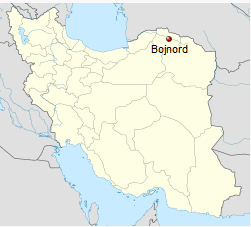
Iran, Bojnord MapBojnord (Bojnourd) is the capital of the northeastern Iranian province of North Khorasan on the border with Turkmenistan. Located 1070m above sea level, north of the Alborz mountain range and south of the Koppeh Dagh (Kopetdag) mountains, it is about 750km away from Tehran.

The city is quite famous for its multicultural background. Many people speak at least 2 different languages including Persian, Tati, Khorasani Turkic, Kurmanci Kurdish, and Turkmen. Intermarriage between said ethnic groups is common.

The city contains many historical and natural attractions, such as mineral water springs, small lakes, recreational areas, caves and protected regions, and various hiking areas. Most of the historical relics are from the Qajar era, as earthquakes continue to ravage older relics.

Some of the popular attractions of Bojnurd are:
Besh Qardash (five brothers) mineral spring
Baba Aman Spring and Jungle Park
Mufakham mirror house, built during the Qajar era
– Mufakham Historical Hospital, built during the Qajar era
– Mausoleum of Sultan Seyed Abbas (brother of Imam Reza)
– Bazkhaneh valley
– Ayyub mineral spring
– Ruwin village

Sources: Wikipedia | Bojnord, Mehr News Agency | Photos,

Photo Series: Spring in Iran – Paveh, Kermanshah Province

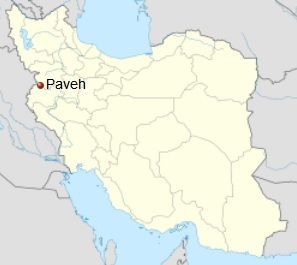
Kermanshah, Iran – Paveh MapPaveh is the capital of Paveh County in Kermanshah Province, Iran. At the 2011 census its population was 23.704 inhabitants.

Paveh is located in the west of Iran, 112km from Kermanshah. It lies in a sub-region along the Iran-Iraq border commonly referred to as Hewraman situated within the larger geographical region of Kurdistan. The city is considered by inhabitants of the region as the capital of the Hewraman. The inhabitants of Paveh are mostly Kurds that speak Auramani.

As a mountainous town, Paveh has cold winters and cool springs. The surrounding mountains are normally filled with fresh spring water from March to June. The town is also encircled with large fruit gardens which create beautiful sceneries during summers.

An old myth regarding the name of the city is that the Emperor Yazdgerd III sent his son named Pav to this area to renew his religious Zoroastrian faith. Both Persians and the local Kurdish inhabitants practiced Zoroastrianism during the Persian Empire’s Sasanian era from which this myth is derived.

Sources: Wikipedia | Paweh, Mehr News Agency | Photos

Iran’s Golestan Province: Kordkuy and Gonbad-e Kavus Counties (Photos)

Kordkuy’s County protected area, Khalid Nabi Cemetery and Gonbad-e Qabus Tower are among the attractions that helped Golestan’s tourism growth.

Jahan Nama is a village with 99 inhabitants (2006) in Chaharkuh Rural District, Golestan Province, Iran. This area is situated in the southern heights of Gorgan and the southeast of Kord Kooy (the Mountain of Kurd). In 1973 30,650 ha in this region were declared protected area.

Wild goat, wild sheep, vension, panther, wolf, beer, owl, eagle, shoulca, weasel, and porcupine belong to the wildlife of this region and some of its plants are: Rosh, Azad, Barberry, Sorkhdar, Kolahe Mir Hassan, Bolandmaza Namdar, Borage Cowslipe, Ras, and Darmaneh. Several studies in the area found 1350 specimens, which included a total number of 607 vascular plant species.

The most important rivers and springs are: Sefid Rood, Tarkan, Mahzi, Chaar Baq, Ziyarat, Marsang, Sbumargah, Shahpasand, Haji Abad, Gachian, Mord Cheshmeh, Vara, Khosh Dasti, Kalichal, Qormehtou, Pazeebon.

Gonbad-e Qabus Tower is a monument in Gonbad-e Qabus, Iran, and a UNESCO World Heritage Site since 2012. The Tower in the central part of the city reaches 72 metres (236 ft) (including the height of the platform).

The baked-brick-built tower is an enormous decagon building with a conic roof, which forms the golden ratio Phi, that equals 1.618. The interiors contain the earliest examples of Muqarnas decorative styles. The decagon with its 3 meter-thick wall, divided into 10 sides, has a diameter of 17 m . The Tower was built on such a scientific and architectural design that at the front of the Tower, at an external circle, one can hear one’s echo.

The tower was built in 1006 AD on the orders of the Ziyarid Amir Shams ol-Ma’āli Qabus ibn Wushmgir. It is located 3 km north of the ancient city of Jorjan, from where the Ziyarid dynasty ruled. The tower is over 1000 years old.

Khalid Nabi Cemetery (in Persian: cemetery of the prophet Khaled) is a cemetery in northeastern Iran’s Golestan province, roughly 65km northeast of Gonbad-e Kavous, in the Gokcheh Dagh hills of Turkmen Sahra. It is mainly situated on a mountain ridge about 1 km distance from the mausoleum called “Khaled Nabi” who according to oral tradition of the Yomut Turkomans was a pre-Islamic prophet (payghambar).

The cemetery was visited in 1979 and 1980 by the archeologist David Stronach . He found over 600 standing stones which are spread out in several locations. About half of them are on the ridge which he calls ” High Plateau ” South and south-east of that are small groups of stones on several other ridges and hillocks. At some distance there is another group of perhaps 150 stones which are distributed over a wide area on the south side of the mountain. Stronach noted two types of gravestones on the site. In both he saw “highly stylized representations of people.”

In popular media the stones are often described as examples of phallic architecture and a major tourist attraction. Touristic visitors often have perceived the cylindrical shafts with the thicker top as depictions of male phalli. This gave rise to popular guesses about preislamic fertility cults as background to such perceived depictions. Consequently the rounded, second type of stones were attributed to female forms and graves. Such descriptions have added to the popularity of the site for visitors from distant parts of Iran. The cemetery is now a national heritage site protected by the Iranian government.

Sources: Mehr News Agency | Photos, Wikipedia | Khalid Nabi Cemetery, Wikipedia | Gonbad-e Qabus Tower, Wikipedia | Jahan Nama

Iran’s Hamedan Province: Ali Sadr Cave – The world’s largest water cave

Hamedan Province, Iran - MapThe Ghar-e Ali Sadr is the world’s largest water cave which attracts millions of visitors every year. It is located in Ali Sadr Kabudarahang County about 100 kilometers north of Hamedan, western Iran.

Excavations and archeological studies of the cave have led to the discovery of ancient artworks, jugs and pitchers dating back to 12,000 years ago. Animals, hunting scenes and bows and arrows are depicted on the walls and passages of the exit section. These images suggest primitive man used the cave as their abode. The cave was known during the reign of Darius I (521-485 BC) which can be verified by an old inscription at the entrance of the tunnel. However, the knowledge of the existence of the 70 million-year-old cave was lost, and it was only rediscovered in 1963 by Iranian mountaineers.

The cave is entered at the side of a hill called Sari Ghiyeh which also includes two other caves called Sarab and Soubashi, each 7 and 11 kilometers from Ali Sadr Cave.

Apparently, the water in Ali Sadr cave stems from a spring in Sarab. In the summer of 2001, a German/British expedition surveyed the cave, finding to be 11 kilometers long. The main chamber of the cave is 100 meters by 50 meters and 40 meters high.

The cave walls can extend up to 40 meters high, and it contains several large, deep lakes. The cave has a river flowing through it and most travel through the cave system is done by boat. More than 11 kilometers of the cave’s water canals have been discovered so far. Some routes are 10 to 11 kilometers long and all lead to “The Island”, a centrally located large atrium.

More articles on Iran’s nature: The other Iran | Nature

Sources: Wikipedia | Ali-Sadr Cave, IRNA | Photos, Alisadr Toursim Co | Portfolio, Wikimedia Commons | Ali Sadr Cave

Photo series: Winter in Iran – Snow in Bisutun, Kermanshah Province

Please also check out the amazing story and photos of the Bisutun Inscription – the Iranian Rosetta Stone, that was vandalized by Allied soldiers during the Anglo-Russian invasion of Iran.

Sources: Tasnim News | Photos, The other Iran

Photo gallery: Zayanderud River in Iran’s Isfahan Province

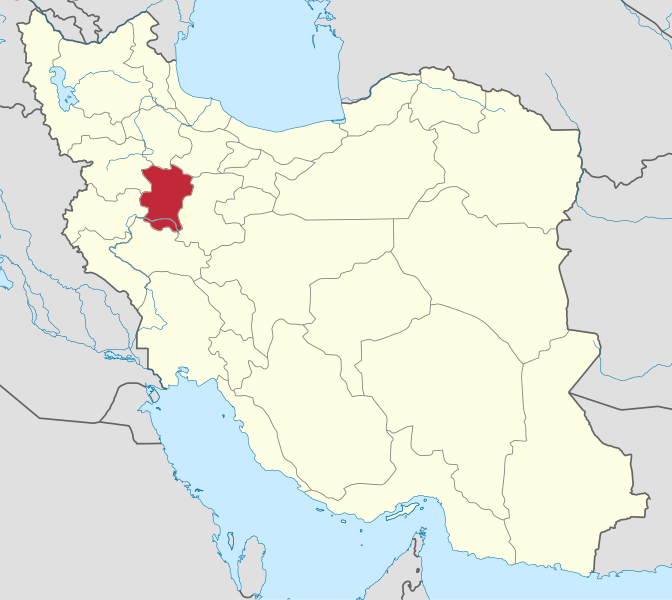
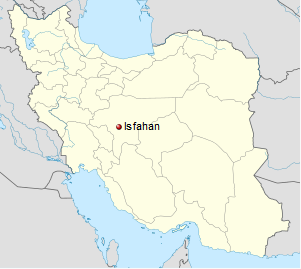
Iran Isfahan Esfahan MapThe Zayanderud River, as largest river in the central plateau of Iran, starts in the Zagros Mountains and flows 400 kilometres eastward before ending in the Gavkhouni swamp, a seasonal salt lake, southeast of Isfahan city.

Sources: Tasnim News Agency, Wikipedia | Isfahan

Photo series: Winter in Iran – Snowfall in Kerman

Kerman is the capital city of Kerman Province, Iran. At the 2011 census, its population was 821,374, making it the 10th most populous city of Iran.

Iran, Kerman mapIt is one of the largest cities of Iran in terms of area. Kerman is famous for its long history and strong cultural heritage. The city is home to many historic mosques and Zoroastrian fire temples. Kerman is also on the list of the recent world’s 1000 cleanest cities. Kerman is also a former capital of Iran, a position that it held during several periods. It is located on a large, flat plain, 1,036 km (643 mi) south of Tehran, the capital of Iran.

Sources: ISNA | PhotosWikipedia | Kerman

Photo gallery: Bisutun Inscription – Iranian Rosetta Stone from 522BC in a 116 hectar UNESCO World Heritage Site

Bisutun Inscription (Behistun Inscription) is a multi-lingual inscription located on Mount Bisutun in the Kermanshah Province of Iran, near the city of Kermanshah in western Iran.

Authored by Darius the Great sometime between his coronation as king of the Persian Empire in the summer of 522 BC and his death in autumn of 486 BC, the inscription includes three versions of the same text, written in three different cuneiform script languages: Old Persian, Elamite, and Babylonian (a later form of Akkadian). In effect, then, the inscription is to cuneiform what the Rosetta Stone is to Egyptian hieroglyphs: the document most crucial in the decipherment of a previously lost script.

The inscription is approximately 15 metres high by 25 metres wide and 100 metres up a limestone cliff from an ancient road connecting the capitals of Babylonia and Media (Babylon and Ecbatana, respectively). The Old Persian text contains 414 lines in five columns; the Elamite text includes 593 lines in eight columns, and the Babylonian text is in 112 lines.

The monument suffered some damage from Allied soldiers using it for target practice in World War II, during the Anglo-Soviet invasion of Iran.


In 1999, Iranian archeologists began the documentation and assessment of damages to the site incurred during the 20th century. Malieh Mehdiabadi, who was project manager for the effort, described a photogrammetric process by which two-dimensional photos were taken of the inscriptions using two cameras and later transmuted into 3-D images.

In recent years, Iranian archaeologists have been undertaking conservation works. The site became a UNESCO World Heritage Site in 2006. In 2012, the Bisotun Cultural Heritage Center organized an international effort to re-examine the inscription.

The site covers an area of 116 hectares. Archeological evidence indicates that this region became a human shelter 40,000 years ago. There are 18 historical monuments other than the inscription of Darius the Great in the Behistun complex that have been registered in the Iranian national list of historical sites.

Sources: Tasnim News | PhotosWikipedia | Behistun Inscription

Photo series: Winter in Iran – Snow sliding in Mahnan near Bojnord

North Khorasan, Iran – Mahnan (Mehnan) MapMehnan (also Mahnan and in Persian: مهنان‎) is a village in Aladagh Rural District, in the Central District of Bojnord County, North Khorasan Province, Iran. Its populations (2006) was 1.341 inhabitants.

Bojnord is the capital city of North Khorasan province, Iran. It is about 701km (436mi) from Tehran.

The city is quite famous for its multicultural background. Many people speak at least 2 different languages including Persian, Tati, Khorasani Turkic, Kurmanci Kurdish, and Turkmen. Intermarriage between said ethnic groups is common.

Sources: Mehr News Agency | Photos, Wikipedia | Bojnord, Wikipedia | Mehnan

Iran’s Kurdistan Province: From Sanandaj to Marivan

Sanandaj is the capital of Kurdish culture and Kurdistan Province at Iran. At the 2011 census, its population was 373,987. Until the 17th century it was only a small village, when the governor of the region, Suleyman Khan Ardalan, renovated a fortress there, known as “Sena Dezh”, which gave the town its Persian name.

The economy of Sanandaj is based upon the production of carpets, processed hides and skins, milled rice, refined sugar, woodworking, cotton weaving, metalware and cutlery.

Enjoy the photo gallery with images taken from Sanandaj to Marivan:

Post related to this region with information about Marivan:
Photo Series: Winter in Iran – Marivan, Kurdistan Province

Sources: CNNWikipedia | Sanandaj

Photo Series: Winter in Iran – Masuleh, Gilan Province

Beautiful pictures of Masuleh covered in snow:

For more detailed information about Masuleh and its unique architecture:
The other Iran | Iran’s Gilan Province: Masuleh Village

Source: Mehr News Agency | Photos

Iran’s West Azerbaijan Province: Saholan Cave

Ghar Saholan is located in West Azerbaijan Province, Iran, near to the village of Saholan that lies some 43 Kilometres east of the city of Mahabad. Situated in a small hill of limestone the cave has two entrances at an altitude of 1,780m. The cave has a total surveyed (mapped) passage length of 771.1m and a vertical range of 45.8m.

Geomorphological evidence within the cave would strongly suggest that it has been formed under phreatic conditions by still water and not by flowing water. Originally the cave would have been completely flooded. In the latter stages in its development the water levels have dropped to create airspace within the chambers and passages and further passage enlargement would have been stimulated by the gentle rising and falling of the water table and subsequent water level. Throughout the cave there are horizontal ledges of calcite deposits along the walls that are indicative of former (higher) water levels.

Sources: Tasnim News | Photos, www.caving-in-iran.org

Photo gallery: Winter in Iran – Chahar Bagh, Golestan

Chahar Bagh is a village in the Central District of Gorgan County, Golestan Province, Iran. Gelestan, located in the north-east of the country south of the Caspian Sea, enjoys a temperate climate most of the year. Geographically, it is divided into two sections: The plains, and the mountains of the Alborz range.

Source: Mehr News Agency | Photos, Wikipedia | Golestan Province

Photo gallery: Winter in Iran – Khalkhal-Asalem region

Khalkhal, with a population of 38,521 (2006), is the capital of Khalkhal County, in Ardabil Province, Iran. Asalem is a city in Talesh County, Gilan Province, Iran. Its population is 3,347 (2006). The road from Asalem to Khalkhal is known for its beautiful landscapes. This region, not far from the Caspian Sea, attracts many visitors every year.

Tasnim News Agency on December 26 dedicated its Iran’s Beauties in Photos section to pictures from winter in the northern part of Iran. Take a look:

Sources: Wikipedia | Asalem, Wikipedia | Khalkhal, Iran Front Page

Iran’s Tehran Province: Tochal Complex (Photos)

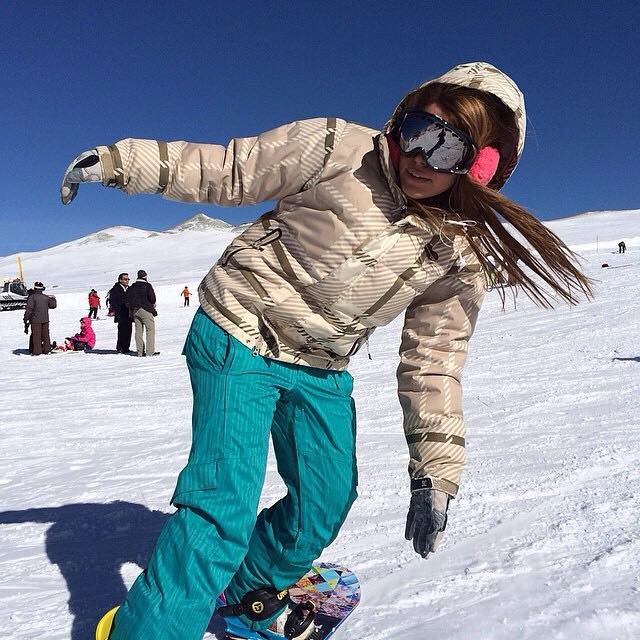
Young woman snowboarding in Tochal, Iran

Young woman snowboarding in Tochal, Iran

Tochal Complex is located in Velenjak, North of Tehran, Iran and consists of many recreational and sports facilities.

The Tochal Telecabin Project started in 1974 and has been open to the public since 1978. It starts at the Velenjak valley in north of Tehran at an altitude of 1900m. and ends at the last station at an altitude of 3740m, near the main ridge of Mount Tochal. This 7500m long gondola lift is used for accessing ski resorts and other recreational centres on the mountain to enjoy this area’s beautiful landscape, mountain fresh air and a multitude of fresh water springs.

The gondola lift has four stations:
Station 1 is at an elevation of 1900m and located at the beginning of Velenjak valley (end of Velenjak Street). Parking, inns and some other facilities are available.
Station 2 is at 2400m and has very limited facilities.
Station 5 is at 2935 m. There is a restaurant and a rescue centre. This station is also accessible through several climbing paths like Shirpala shelter, Osoon valley and Palang-chal shelter. In order to get to Station 7 you have to change here.
Station 7 is at 3740 m. and very close to the Tochal main ridge. It is the last station of the gondola lift. This station is in the middle of the Tochal ski slope. The Tochal main peak is a 30-minute walk from this point. This station is also reachable from Hezar-cham climbing path from Station 5.

Tochal Skiing Resort is one of the popular recreational places in Tehran. The main ski slopes are located in Station 7:
Peak: This 1200m slope starts from the foot of Tochal (at 3850m) and ends at the hotel (3550m). There is one Doppelmayr chairlift and one teleski for transferring skiers and a half pipe. Because of the height of the ski slope in station 7 (more than 3500m above sea level), similar to the Alvares Ski Resort in Sabalan, Ardabil Province, Iran, these slopes are covered with snow for more than 8 months during the year.
Western Foothill: This slope is located on the western foothill of the Tochal Mountain. The length of the ski slope is 900m, having its peak at 3750m above sea level and its lowest spot at Tochal Hotel (3550m above sea level). A Poma chairlift is built in this slope for skiers.

Sources: Wikipedia | Tochal Complex, Mehr News Agency | Photos, ISNA | Photos, Tasnim News Agency | Photos

Iran’s Hormozgan Province: Minab – Harvesting Watermelons for Yalda

Minab is a city in Hormozgan Province, Iran. At the 2006 census, its population was 76,776. In ancient times Minab had the name of Harmosia (or Harmozeia).

Minab is not far from Bandar Abbas. It is famous for fishing (especially shrimps) and for agriculture (especially date palms and mangoes). It lies on the main official road connecting Bandar Abbas, the Makran and the Baluchistan Province. The population are mainly Shi’a Muslims but there is also a Sunni minority, and the language they speak is Minabi (locally Minow), a dialect which is something between Bandari and Balochi and Persian. Once a week, a well known bazaar called “Panjshambe bazar” or in Minabi language “Peyshambe Bazar” (English: Thursday’s Bazaar) attracts people from all over Hormozgan, and beyond.

Sources: wikipedia | Minab, Mehr News Agency | Photos

Photo Series: Autumn in Iran – Snowfall in Zanjan

Photos of autumn snow in Zanjan, Iran. Click on the pictures to start the gallery:

Source: Mehr News Agency

Photo Series: Autumn in Iran – Hamedan Province (Part 2)

Some beautiful pictures of Hamedan in autumn:

You can find another photo gallery of this beatiful region and some information about Hamedan in: The other Iran | Photo Series: Autumn in Iran – Hamedan Province (Part 1)

Source: IRNA

Iran’s Gilan Province: Anbu – Pomegranate Harvest

Anbu (also known as Anbuh-e Mashayekh) is a village in Talesh County, Gilan Province, Iran. At the 2006 census it had a population of 385 inhabitants.

Citizens of Anbu, a village in the south of Gilan, harvest pomegranates as fall arrives.

Sources: Wikipedia | Anbu, Iran, Mehr News Agency | Photos

Iran’s Sistan and Baluchestan Province: Lipar’s pink wetland (Photos)

The pink wetland of Lipar in southeastern Iran is a great place for those fond of marine environment.

The pink wetland of Lipar is located just 200 meters from the northern edge of the Sea of Oman and south of a namesake village in Chabahar, in Sistan and Baluchistan province.

The wetland is one of the alluring natural attractions of the area where those who are fond of the marine environment can catch a glimpse of beautiful scenery. What stands out about the wetland, which sits on the edge of Lipar’s seasonal lagoon 20 kilometers to the east of Chabahar, is its water which looks pink.

This body of water which is 10 hectares in area accounts for 90 percent of herbal planktons in the region and is home to a large number of species, flora and fauna.

The following is a collection of the pictures of the wetland Irandesert.com posted online:

Source: Iran Front Page

Iran’s Golestan Province: Gorgan County – Sunflower Farm (Photos)

Beautiful pictures from a sunflower farm in Gorgan County

Source: IRNA

Iran’s Kurdistan Province: Zhivar – Pomegranate Harvest

Zhivar is a village in Iran, Kurdistan Province, approximately 750km west of Tehran Province. At the 2006 census it had 1.764 inhabitants. Pomegranate is one of the quality products of Zhivar and the majority of people of this village earn a living from this product.

Sources:
wikipedia
IRNA

Iran’s Fars Province: Margoon Waterfall

Margoon (Margun) Waterfall (in Farsi: Abshare Margoon) is located in the Fars Province of Iran near the city of Sepidan, in the village Margoon, 48 kilometers far from the city Ardakan.

Its name means in Persian “snake like”. This waterfall is the main attractive of the Abshare Margoon protected area. It falls from the heart of a rocky mountain and has about 70m height and 100m width. It is one of the largest and most beautiful waterfalls in Iran. The area is mountainous and has an elevation of over 2.200m above sea level.

The weather is cold between November and April and in winter parts of the waterfall often freezes. Most tourists visit this area in the hot months of the year, when the temperature is 40°C in most of the country but hardly reaches 25°C at Abshare Margoon. Besides visiting the waterfall there are several activities to enjoy in this area: mountain climbing, rock climbing, camping, landscape photography etc.

As Abshare Margoon lies within the Zagros Mountain range, it has diverse flora and fauna. Oak is the main plant of the forests of the area and brown bear, Persian leopard, wolf, fox, wild boar, wild goat and porcupine are some of its fauna.

Sources:
wikivoyage
sh.wikipedia.org
en.wikipedia.org
Tasnim News

Photo Series: Autumn in Iran – Gorgan’s Alang Darreh Park, Golestan Province

Gorgan is the capital of Golestan Province, Iran. It lies approximately 400km to the north east of Tehran and some 30km away from the Caspian Sea. It has a population of ca. 270.000 inhabitants. Some 150 km (93 mi) east of Gorgan is the Golestan National Park.

The city was named Hyrcania in ancient Greek records, the equivalent of the local name Varkâna “Land of the Wolves” in Old Persian. Although modern Gorgan is only a city and county sharing the same name, ancient Hyrcania was the name of a greater region on the southern shores of the Caspian Sea (encompassing all of the present day Golestan province, as well as some eastern parts of the Mazandaran province, and some southern parts of the present day Republic of Turkmenistan). Until 1937 the city used to be known as Astarabad.

Only 5km southwest from Gorgan, covering an area of approximately 185 hectares is Alangdareh Park. These beautiful autumn pictures were taken there.

In general, Golestan has a moderate and humid climate known as “the moderate Caspian climate.” There exist three different climates in the region: plain moderate, mountainous, and semi-arid. Gorgan valley has a semi-arid climate.

Gorgan (as well as the whole Golestan province) has a world-famous carpet and rug industry, made by Turkmen. The patterns of these carpets are derived from the ancient Persian city of Bukhara, which is now in Uzbekistan. Jajim carpets are also crafted in this province.

Sources: Wikipedia | Gorgan, Mehr News Agency | Photos

Photo Series: Autumn in Iran – Hamedan Province (Part 1)

Hamedan Province is one of the 31 provinces of Iran. It covers an area of 19,546 km² and has a population of over 1,82 million (2008). Its capital is Hamedan city. Hamedan province is one of the most ancient parts of Iran and its civilization. The city of Hamedan laid on the Silk Road.

The province lies in an elevated region with the ‘Alvand’ mountains running from the north west to the south west. These are part of the Zagros mountain range. Hamedan enjoys temperate warm summers and relatively cold winters.

According to local Jewish traditions, the City of Hamedan is mentioned in the Book of Esther as the capital of Ancient Persia in the days of King Ahasuerus. It was then known as Shushan. The Tombs of Mordecai and Esther are located in modern-day Hamedan.

Today’s Hamedan is what is left of Ecbatana, The Medes’ capital before they formed a union with the Persians. The poet Ferdowsi says that Ecbatana was built by King Jamshid. During the Parthian era Hamedan became the summer capital and residence of the Parthian rulers. After the Parthians, the Sassanids constructed their summer palaces in Hamedan as well.

Sources: ISNA, Mehr News Agency, Wikipedia | Hamedan Province

Photo Series: Autumn in Iran – Golestan Province

Golestan Province is one of the 31 provinces of Iran, located in the north-east of the country south of the Caspian Sea. It has a population of 1.6 million (2006) and an area of 20,380 km². Its capital is Gorgan. Present-day Gorgan was called Esterabad or Astarabad until 1937.

Golestan enjoys mild weather and a temperate climate most of the year. Geographically, it is divided into two sections: The plains, and the mountains of the Alborz range. In the eastern Alborz section, the direction of mountains faces northeast and gradually decreases in height. The highest point of the province is Shavar, with a height of 3,945 meters.

Sources: Wikipedia | Golestan, Tasnim News Agency | Photos

Nellie’s Journey to Iran: from Persian architecture to outstanding hospitality

Posing with friendly Iranians

Photo Highlights of Iran: from Persian Architecture to Outstanding Hospitality
By Nellie Huang

I’ve just completed my Silk Road journey through Central Asia with Oasis Overland. Our trip started in Kyrgyzstan and we traveled through Kazakhstan, Uzbekistan, Turkmenistan, Iran and ended in Turkey. During this overland trip, we spent just under three weeks traversing through Iran, from the eastern corner to the western edge. It was the highlight of our trip and I hope these photos will show you what an amazing country it is.

Mention Iran and many think of burkha-clad women, burning flags and war. But these stereotypes can’t be further from the truth.

For those who are curious and open to new discoveries, Iran is packed full of surprises. It is a relatively safe country to visit and there’s so much to see and do in terms of historical and cultural sights: wander through the thousand-year-old ancient city of Persepolis, get lost in the mud-brick alleys of Yazd, contemplate in the beautiful turquoise-domed mosques that dot Esfahan, meet locals in the gardens surrounding Shiraz and pray with thousands of pilgrims at the country’s holiest city Mashad. The Islamic Republic has an extremely rich cultural heritage and its attractions can definitely rival those of world-famous tourist destinations. Best of all, you won’t find hordes of tourists here. It won’t take you long to question how such a charming country can be portrayed in such a negative light by the media.

Beyond the stereotypes is a country desperate to been seen for what it is, rather than what it is depicted to be. The Iranians are undoubtedly the friendliest people I’ve ever met in the world. Travelers will often find themselves getting invited to stranger’s homes, being treated to endless flow of tea from a shop vendor and getting a free ride from helpful drivers along the way. Locals tend to come up to you, ask where you’re from and genuinely want to get to know you. I’ve always agreed with the saying “it’s the people that makes a place”. It can’t be more true here in Iran where experiences with locals truly live the longest in your memory.

While traveling in Iran, the two topics that most find impossible to escape are religion and politics. These are complex issues that aren’t black or white, but as I discovered, if you’re respectful of their opinions, the Iranians will be more than happy to discuss them with you. It’s also important to note that the government’s views may not be in line with what average Iranians think. Regardless, if you do choose to travel here, a journey to Iran will certainly change your perspective of the country, and perhaps, the world.

Natural Landscapes and Ancient Cities

The abandoned mud brick city of Kharanaq: In the abandoned mud-brick city of Kharanaq, we got lost amidst the alleys and crumbling paths that overlooked this beautiful valley.

The abandoned mud brick city of Kharanaq


The rock cut temples of Naqsh-e-Rostam
: Right at the outskirts of Shiraz, we stumbled upon the spectacular rock tomb of Naqsh-e-Rostam. The ragged cliffs that the tombs are carved into remind me of those in Wadi Rum, Jordan.

The rock cut temples of Naqsh-e-Rostam


Persian Architecture

Amir Chakhmagh: Amir Chakhmagh in is an iconic landmark in Yazd and while it’s now nothing more than a gate (the rest of the building is gone), the unique architecture still makes it quite an impressive sight.

A gate in Yazd


Royal Palace in Shiraz
: The interior of Persian buildings is often just as impressive. This photo shows the interior of the Royal Palace in Shiraz, characterized by arches, spiraled columns and carvings.

Inside a palace in Shiraz


Iranian Way of Life

Colorful spices in the bazaar of Shiraz: Bazaars are an important part of Iranian life. They trace their roots back to the Silk Road days and even until today, Iranians are still known to be excellent traders and businessmen. Spices are of course a common sight in the bazaars.

Colorful spices in the bazaar of Shiraz
Friendly students in Tehran: The Iranians are exceptionally warm and friendly, with many people stopping to strike up a conversation with us seeing that we’re foreigners. I met this bunch of students at the Golestan Palace in Tehran and they were all excited to practice their English with me.

Friendly students in Tehran

More pictures of Nelly’s Journey:
http://www.wildjunket.com/2014/10/22/photo-highlights-iran/

About Nellie Huang: Nellie is a professional travel writer and editor with an eye for adventure and a love for the unknown. Originally from Singapore, she pursued an Engineering degree and spent her days dreaming of travel – the day after graduation, she packed her bags and headed off to experience the world.

She then spent the next few years working as a teacher, translator and project analyst. With sheer will and hard work, she eventually found her way into travel writing and fulfilled her lifetime dream.

Her work has since been published in numerous publications including National Geographic Intelligent Travel, CNN, BBC Travel, Travel+Leisure Asia, Wend, Women Adventure Magazine, Food&Travel, International Lifestyle, TNT Magazine, and Explorer, amongst others. Click to see her portfolio.

She is also a contributing guidebook author of VIVA Travel Guide Guatemala (1st Edition) and writer for World Travel Guides.

Iran’s Gilan Province: Roudkhan Castle

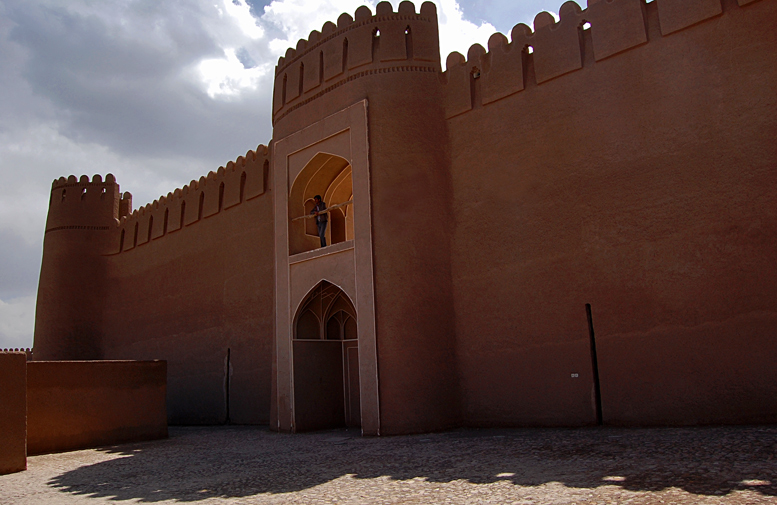
The medieval Rudkhan Castle (Ghale Roodkhan) is located 25km southwest of the city of Fooman in Iran’s Gilan Province in the heart of the forest. Made from brick and stone, the castle covers 50,000 square meters and is 900 meters above sea level. Its architects have benefited from natural mountainous features in the construction of the fort. It is built on two tips of a mount with a total of 65 towers surrounding it, while the walls run 1,500 meters in length. 42 towers still stand intact. It is a military complex which had been constructed during the Seljuk Dynasty by followers of the Ismaili sect. The castle sits at the two peaks of a mountain at elevations of 715meters and 670meters, with an area of 2.6 hectares (6.4 acres). The Rudkhan Castle River originates in the surrounding heights and flows from south to north. It takes around two hours to cross a mountainous winding route with dense forests. To reach this castle people walk a three kilometer distance on foot, then climb around 2,000 steps. The first thing that one notices about the castle is its big entrance gate.

Sources: Wikipedia | Rudkhan Castle, Wikimedia Commons’ media related to Rudkhan Castle, wiseitinerary.blogspot.de, Mehr News Agency | Photos, Press TV

Photo Series: Autumn in Iran – Sabzevar, Razavi Khorasan Province

Sabzevar is a city of 200.000 inhabitants in Razavi Khorasan Province in northeastern Iran. It is the commercial center for an agricultural region producing grapes and raisins. There is some small-scale industry, for food processing, cooperware and electric motors. Through the old bazaar of Sabzevar fresh, dried, and preserved fruits and vegetables are exported.

In ancient times it was called Beihagh (Beyhaq). The history of Sabzevar goes back to the 1st millennium BC. Ancient remains include fire-temple ‘Azar Barzin’ which is still visible. Mil-e Khosrow Gerd (meaning “The brick tower of king Khosrau) is the highest brick tower in the city. This ancient brick tower dates back to 6th century and was part of city that no longer exists. This brick tower served as a travel guide for caravans traveling from Nishapur to Rey. Near Sabzevar are also remainings of yakhchals (ice houses or ice pits).

Sources: Wikipedia | Sabzevar, adayinlife.org, Mehr News

Iran’s Razavi Khorasan Province: Shamkhal Canyon

Somewhere not far from the border between Iran and Turkmenistan there is a huge and unbelievably beautiful valley called Shamkhal. The name comes from a village near that. It is located in west northern of Quchan. It is about 18 km long; going through many springs and falls within rocky walls which in some parts are 200 meters high.

Source: Irpedia | Photos of Iran | Shamkhal Valley

Rayen Castle – more than 1000 year old adobe castle in Kerman, Iran

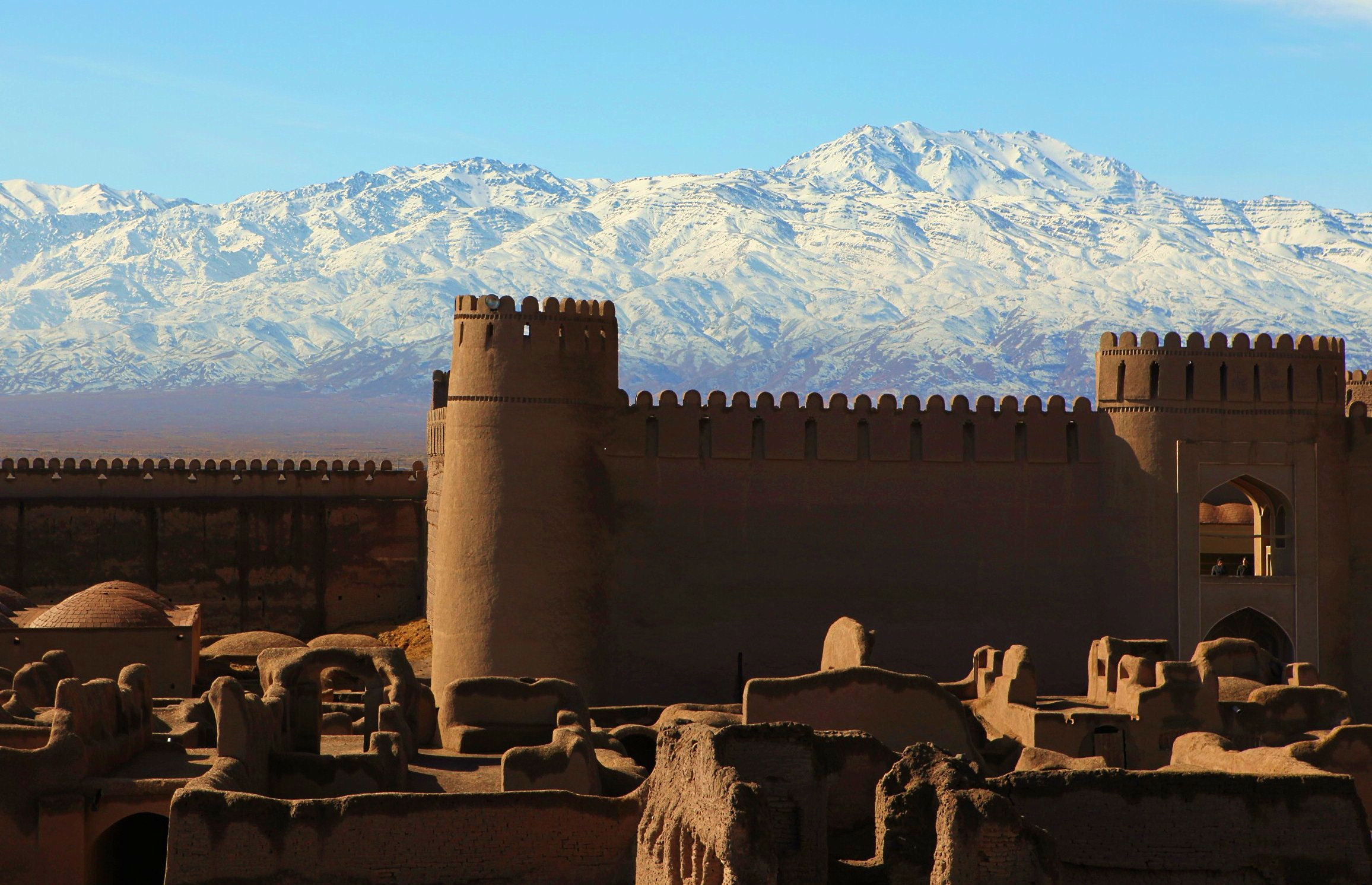
Rayen Castle (in Persian Arg-e Rayen) is an adobe castle in Kerman Province, Iran. The medieval mudbrick city of Rayen is similar to the Arg-e Bam city which was destroyed in an earthquake in December 2003. Rayen displays all the architectural elements of a deserted citadel. It is extremely well preserved, despite numerous natural disasters that have destroyed similar structures nearby, and it is one of the most interesting sites in Iran.

Rayen Castle was inhabited until 150 years ago and, although believed to be at least 1,000 years old, may in fact have foundations from the pre-Islamic Sassanid era.

Adobe castle of Rayen Rayen Kerman Iran - arg-e-rayensh

Adobe castle of Rayen Rayen Kerman Iran – Arg-e-Rayensh

Adobe castle of Rayen Rayen Kerman Iran

Adobe castle of Rayen, Kerman, Iran

Source: Wikipedia | Rayen Castle

Also check this related post: The other Iran | Arg-é Bam

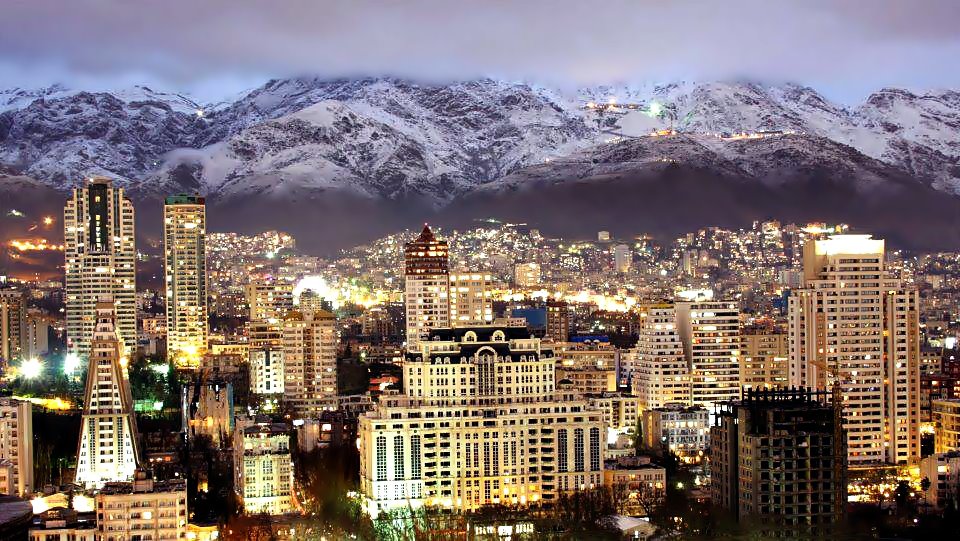
Tehran Night Series

Other photos from Tehran: https://theotheriran.com/tag/tehran/

Tehran, Iran-Night

Tehran, Iran-Night

Iran’s Gilan Province: Photos (Part 1)

More photos of Iran: http://comeseeiran.tumblr.com/

Series -Yazd, Iran: Tezerjan Glacier

Yazd, Iran, Terzejan Glacier

Yazd, Iran, Terzejan Glacier

Yazd, Iran, Terzejan Glacier

Yazd, Iran, Terzejan Glacier

Yazd, Iran, Terzejan Glacier

Yazd, Iran, Terzejan Glacier

Tezerjan Glacier is a natural glacier on Shirkouh mountain and Tezerjan village is located on its foothill. ( Top of Tezerjan mountain is 4005m from the sea level). Not long ago, a great of ice and snow were carried 60km to Yazd on hot days during the year, using pack animals, in order to chill beverages, especially Yazdian Paloude (sweet beverage containing thin fibers of starch jelly), so Yazdian Paloude is related to this natural glacier.

http://yazdphoto.com/panoramic%20photography.htm

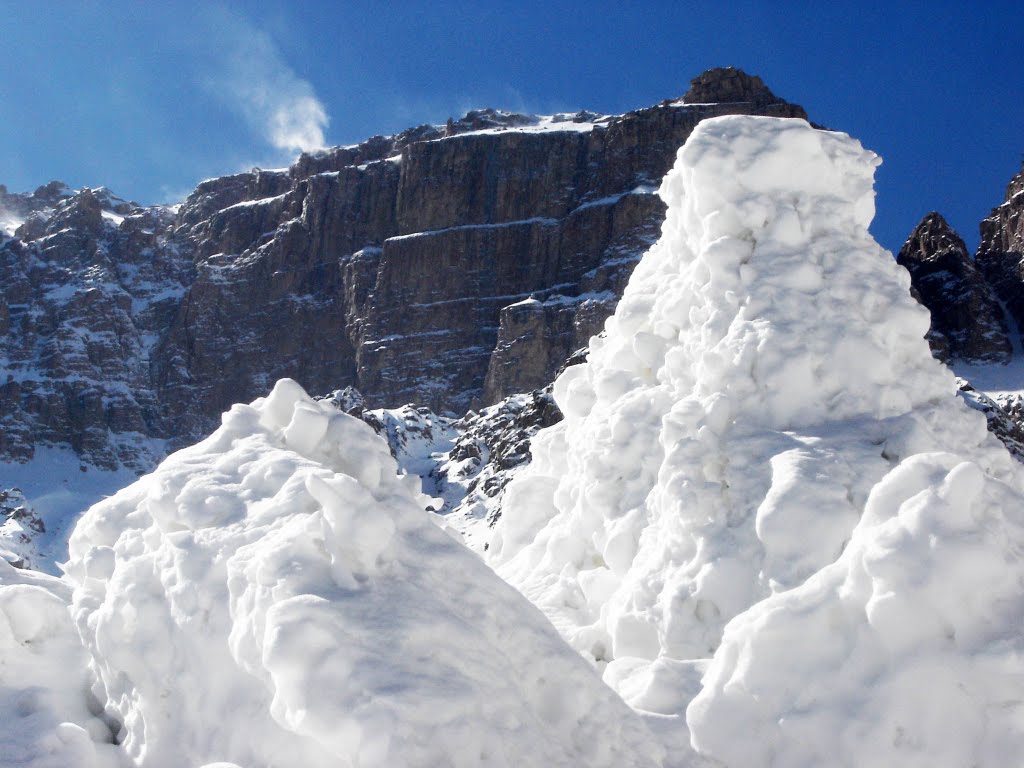
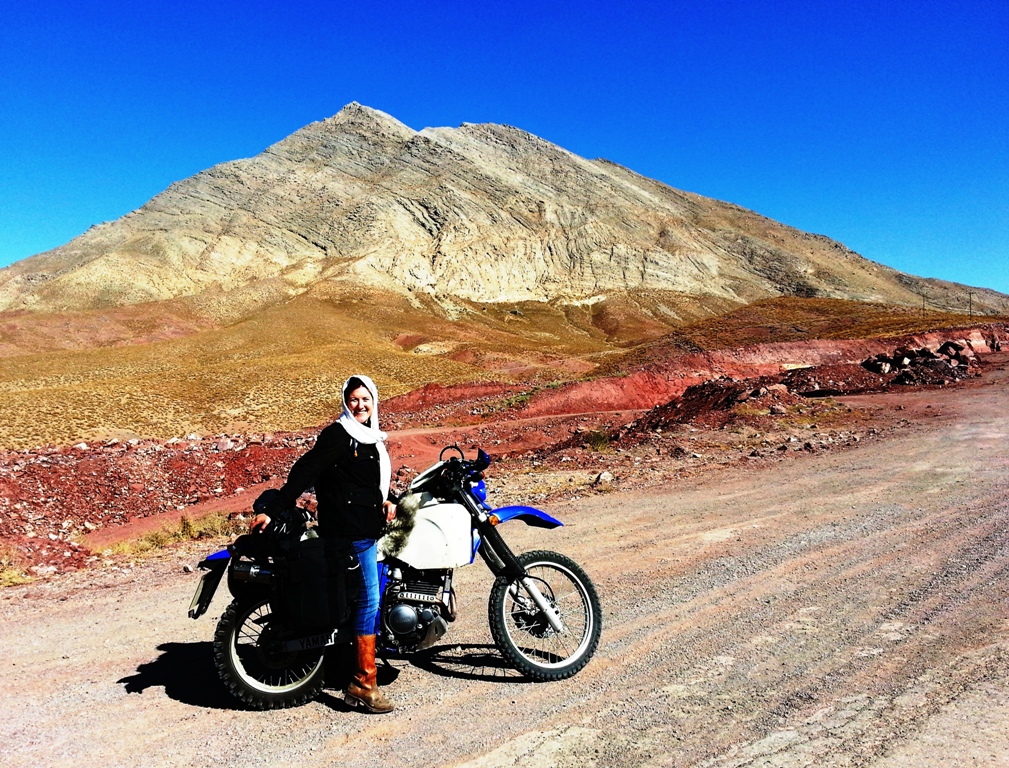
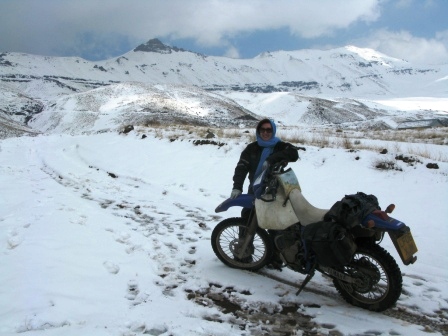
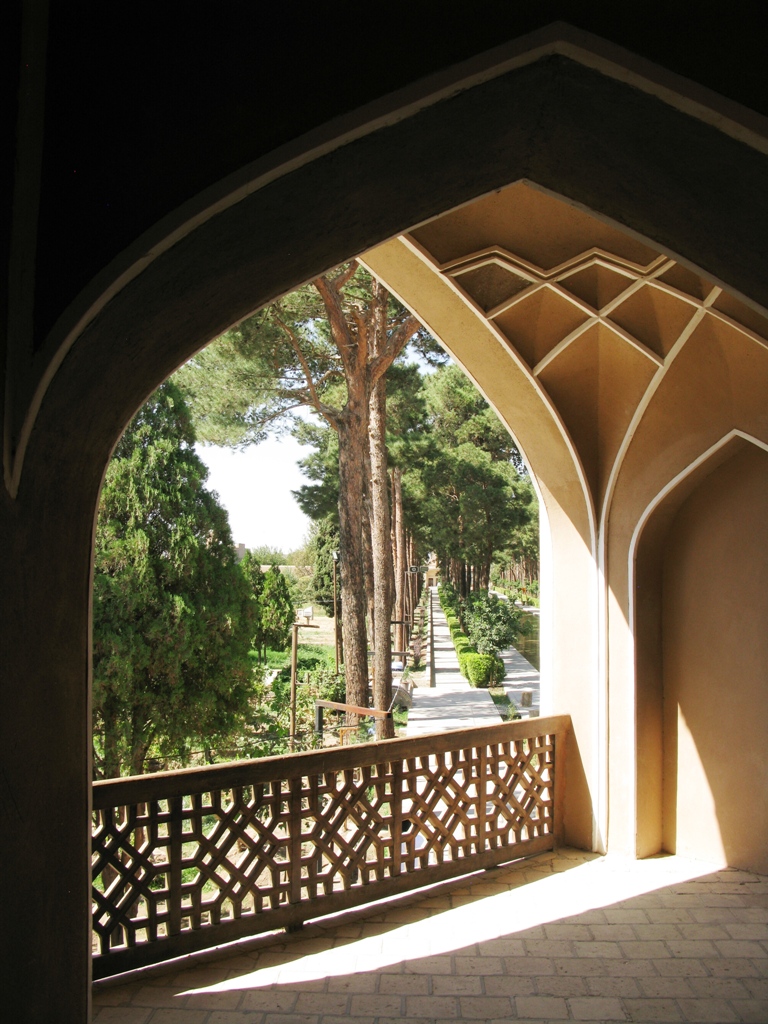
Series: Female British biker on Iranian roads – Photos

road-to-yadz-me-on-bike

 bike-snow-alamut-valley

yadz-garden-window tehran-azadi-tower

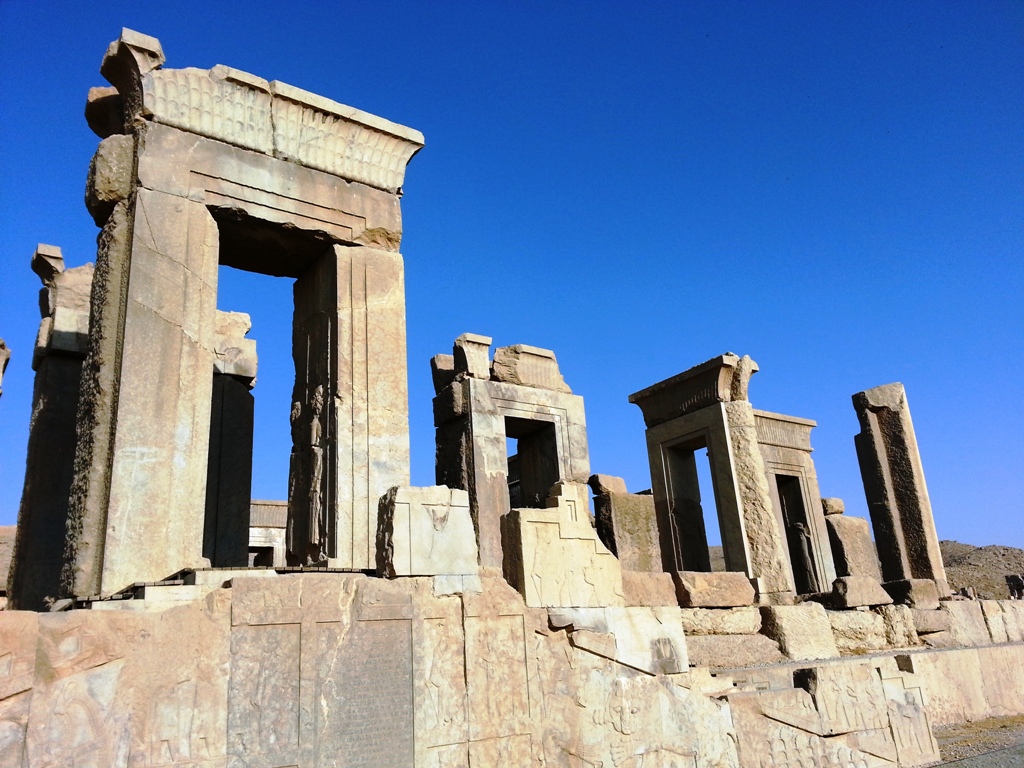
persepolis-gates

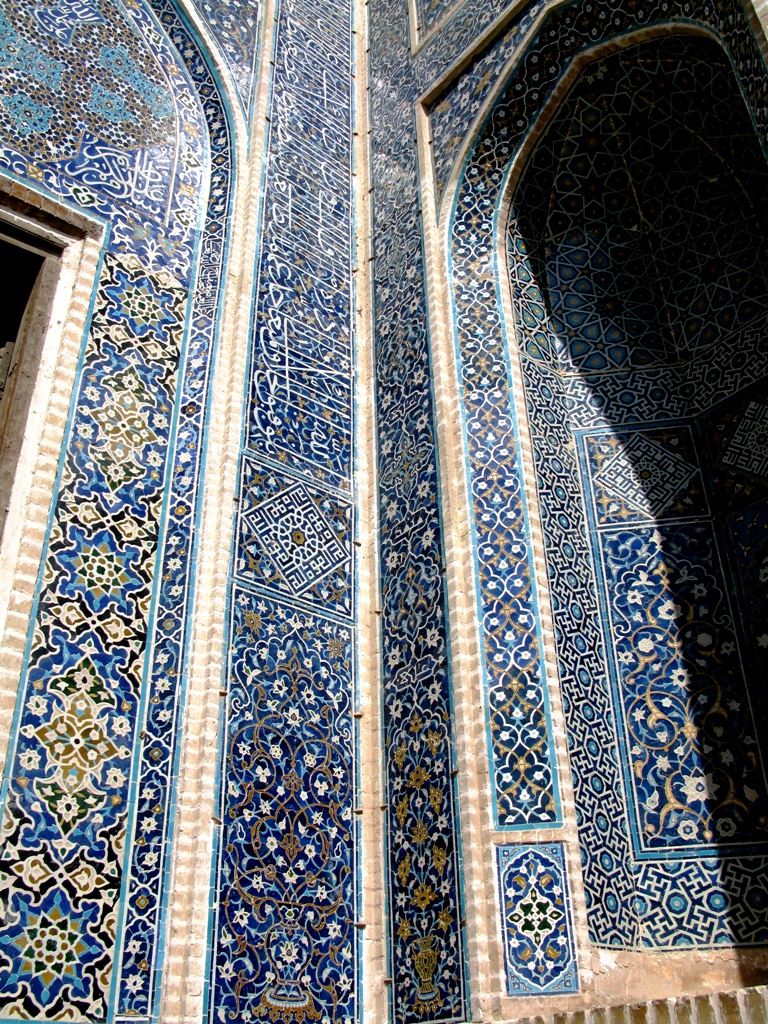
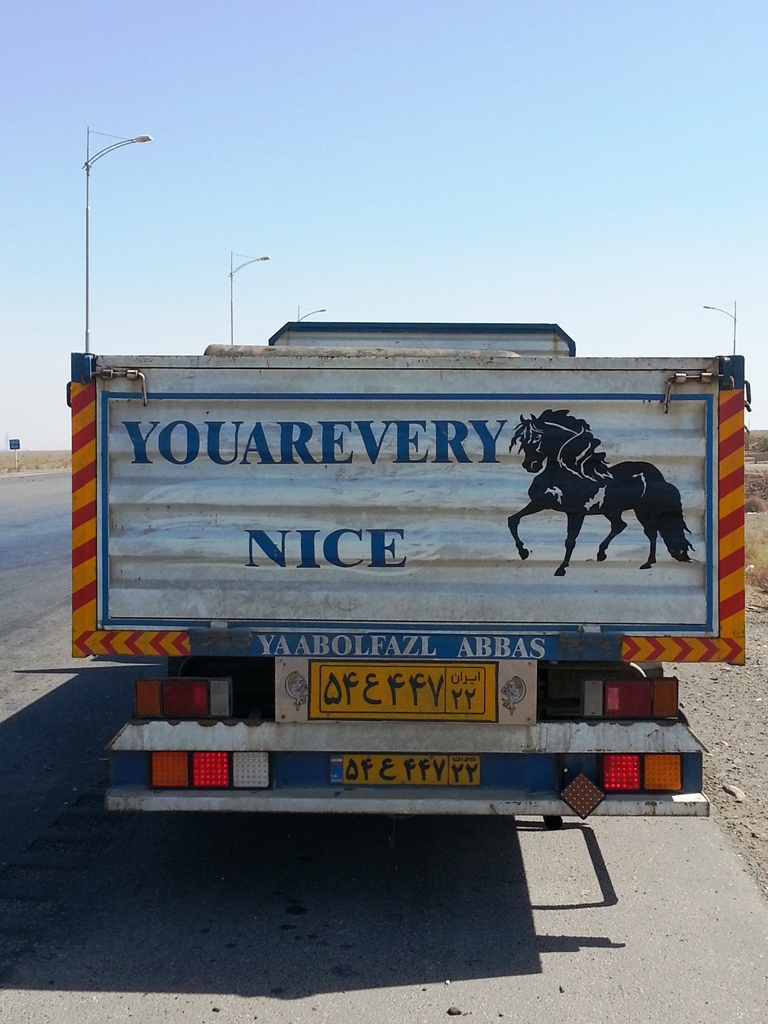
yadz-mosque-tiling truck-youarevery-nice

Find the other parts of this Series (Story and Video) here: https://theotheriran.com/tag/travel/

Photos: Lahijan, in Gilan Province of Iran near the Caspian Sea

Info about Lahijan: Wikipedia | Lahijan

Iran’s Khar Turan 2nd largest biosphere reserve in world

Khar Turan National Park, located southeast of the Iranian city of Shahrud, is believed to be the second largest biosphere reserve in the world. With an area of around 1.5 million hectares, it is the world’s second largest biosphere reserve after Africa’s Serengeti, says the park’s Chief Ranger Ali Akbar Ghorbanloo.

Shahrud’s Khar Turan, in the province of Semnan, is also home to the world’s last remaining Asiatic cheetah in captivity called Delbar (meaning enchanting in Persian).


Photos: A Lone Persian Cheetah at Turan National Park

The area has one of the richest diversities in terms of mammal species in the country, and has the largest population of onager in Iran as well as a good number of the two species of gazelles, wild sheep and wild goat, which ensure cheetah survival.

https://www.youtube.com/watch?v=9fWzczAi_ss#t=23