Researchers at Iran’s Sharif University received a US patent

http://www.thefreelibrary.com/Sharif+University+Researchers+Receive+US+Patent+on+Solar+Cells.-a0288713625

“Researchers at Iran’s Sharif University of Technology managed to receive a US patent issued under the title of ‘Single-Sided Dye-Sensitized Solar Cells Having A Vertical Patterned Structure’ and publication number of US20110220192.”

““We have proposed a novel structure for the solar cells which can eliminate the unnecessary formation of the conductive glasses–a major cost-intensive byproduct in the course of solar cells manufacturing,” Nima Taqavinia, associate professor at Sharif University of Technology, was quoted”

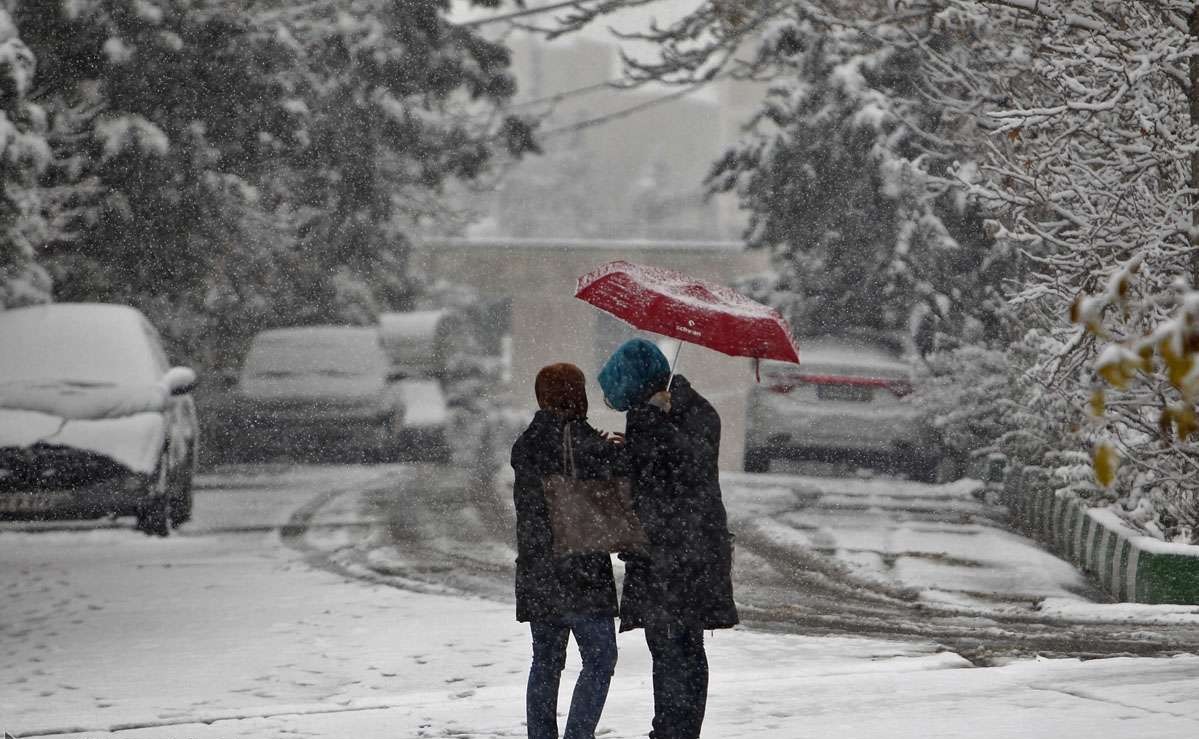
solar

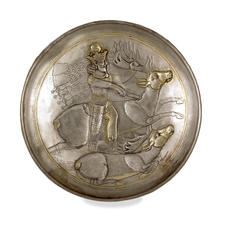
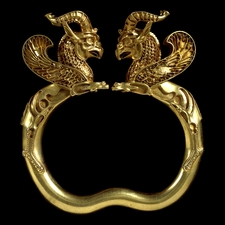
Ancient Iran in The British Museum

http://www.britishmuseum.org/explore/galleries/middle_east/room_52_ancient_iran.aspx

“Iran was a major centre of ancient culture. It was rich in valuable natural resources, especially metals, and played an important role in the development of ancient Middle Eastern civilisation and trade. Room 52 highlights these ancient interconnections and the rise of distinctive local cultures, such as in Luristan, during the age of migrations after about 1400 BC.”

ps295640_m ps207493_m

Iran hosted 114 – 300 thousand Christian and Jewish Polish refugees in World War II

In 1939, Poland was invaded by Germany and the Soviet Union. The war and the destruction caused by heavy bombardment resulted in the displacement of millions of Polish civilians. Most of them were sent by Joseph Stalin to Russia as prisoners in labor camps in Siberia and other parts of the Soviet Union. It was not until Hitler invaded the Soviet Union in 1941 that Stalin freed the Poles and agreed to the creation of a Polish army to fight the Nazis, and that’s when the great journey started. Iran was chosen as the rendezvous point of the now-free Polish prisoners in Russia. […] Every day, more ships came from Russia bringing more Poles to Bandar-e Anzali. Some Poles also entered Iran from the north-eastern city of Mashhad.

The healthy men and women were organized in an army and were sent to join the war effort. The rest were sent to Tehran and Ahvaz. The sick were treated in hospitals in Tehran, and the American and British Red Cross donated clothes and food. Additionally, Polish language classes were established for the kids. The orphans were sent to Isfahan. Ryszard Antolak claimed that Iranian civil authorities and certain private individuals vacated the premises to accommodate the children. Schools, hospitals and social organizations sprang up quickly all over the city to cater to the growing colony. The new Shah took special interest in the Polish children of Isfahan. He allowed them the use of his swimming pool and invited groups of them to his palace for dinner. […]

After the war was over, many Polish men, women, and children who lived in Iran went back home. The Poles who lived in Iran, even for a little while, however, always remember Iran as a great host. As said by Ryszard Antolak, “The deepest imprint of the Polish sojourn in Iran can be found in the memoirs and narratives of those who lived through it. The debt and gratitude felt by the exiles towards their host country echoes warmly throughout all the literature. The kindness and sympathy of the ordinary Iranian population towards the Poles is everywhere spoken of.” In the summer of 2008, the Polish postal service issued a stamp commemorating the role of Isfahan in caring for Polish children. Source: www.mypersianspeakingfriends.org

In all, between 114,000 and 300,000 Poles are thought to have made it to Iran. […] “The friendly Persian people crowded round the buses shouting what must have been words of welcome and pushed gifts of dates, nuts, roasted peas with raisins and juicy pomegranates through the open windows,” wrote Krystyna Skwarko, a schoolteacher who came with her own two sick children to take charge of a growing orphanage in Isfahan. Skwarko’s book, “The Invited,” recounts a journey from Anzali, through Persia and on to New Zealand, where she and 700 orphans were eventually resettled. She died in 1995. More than 13,000 of the arrivals in Iran were children, many orphans whose parents had died on the way. In Russia, starving mothers had pushed their children onto passing trains to Iran in hopes of saving them. Skwarko’s impossible task was to wipe the scars of war from children who had been robbed of their childhood. […] Jewish orphans were cared for by a Jewish organization in Iran and later sent to Israel. Others went on to new lives in the United States, Britain, Australia, South Africa, New Zealand and elsewhere. Source: Cornell University Library

Book on this topic: The Children Of Esfahan – Polish Refugees in Iran by Abolqasem Jala

Photos: University Dissertation Presented On The Wall!

Image

6 Iranian women (Bita, Elham, Mahzad, Setayesh, Simin, Zahra), who are university students majoring in Graphics, did their dissertation by doing a painting on the outside wall of a sports club in Tehran. Here are snapshots of the women at work and their amazing work of art!

check more cool photos:

http://www.payvand.com/news/14/jan/1187.html

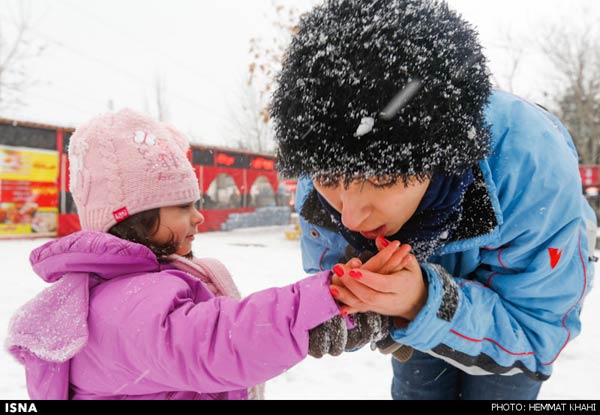
Photos: Heavy Snow in Rasht, Northern Iran

First snow of the winter season gave a white cover to the caspian coast city of Rasht in northern Iran on Saturday. Rasht is the capital of Gilan Province and the largest city on Iran’s Caspian Sea coast with a population of 551,161 (2006 census). Rasht is a major trade center between Caucasia, Russia and Iran using the port of Bandar-e Anzali. Rasht is also a major tourist center with the resort of Masouleh in the adjacent mountains and the beaches of Caspian as some of the major attractions.

Gilan has a humid Subtropical climate with plenty of annual rainfall, while Rasht is known internationally as the “City of Silver Rains” and within Iran as the “City of Rain”. The Alborz range provides further diversity to the land in addition to the Caspian coasts. Despite of the abundant humidity, Gilan is known for its moderate, mild and Mediterranean-like climate.

More photos: Payvand News of Iran

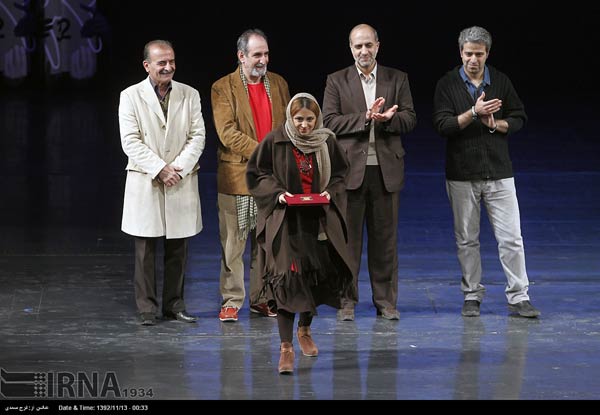
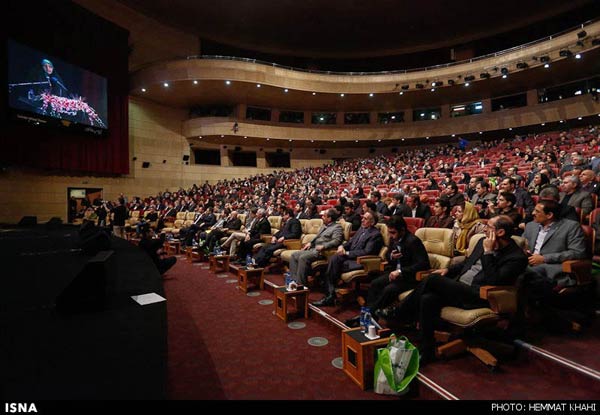
Hamlet wins at 32nd Fajr Theater Festival hold in Teheran and five other Iranian cities.

Image

An Iranian troupe won the grand prix of the international section at the 32nd Fajr International Theater Festival for their performance of Shakespeare’s magnum opus “Hamlet”. The play also brought Arash Dadgar the best director and best stage designer awards in this section.

“Ibsen’s Women-Put an Eagle in a Cage” directed by Juni Dahr from Norway received the jury special award and Iranian playwright Hossein Kianizadeh won best dramatist award for his collaboration in “Salt Marsh”.

The best actress award went to Spanish actress Nicole Heesters for her role in “House of Bernard Alba” directed by Calixto Bieito from the National Theater of Mannheim in Germany.

The best director award of the national section of the festival was presented to Shahram Karami for “The End of Tooba’s Long Trip” and Saeid Hassanlu won the best stage designer award for his collaboration in the play.

Iranian actor/director Anushiravan Arjmand, actor Ferdows Kaviani, playwright/actor Nosratollah Masudi and actress Nahid Moslemi were also honored with lifetime achievement awards at the ceremony.

http://www.payvand.com/news/14/feb/1017.html

Iranian film, actress score nominations for French awards

Image

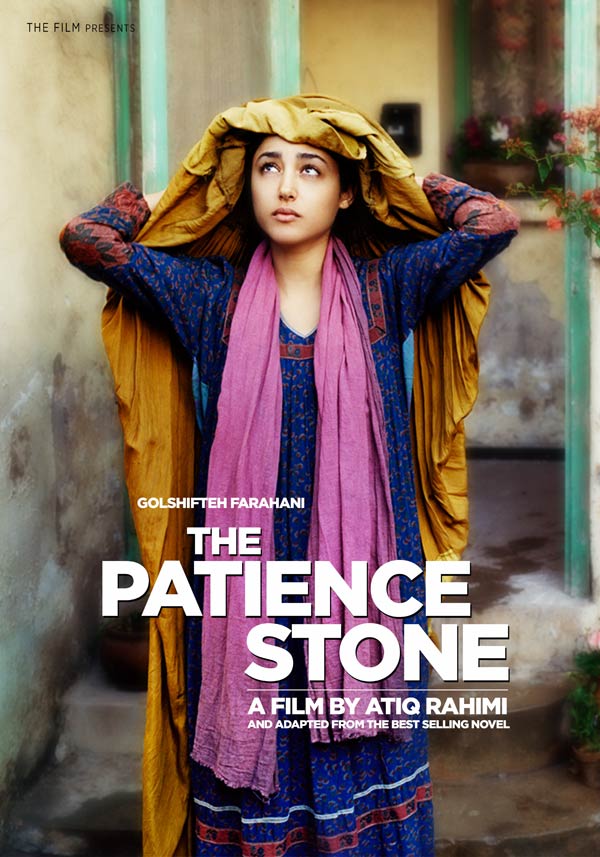
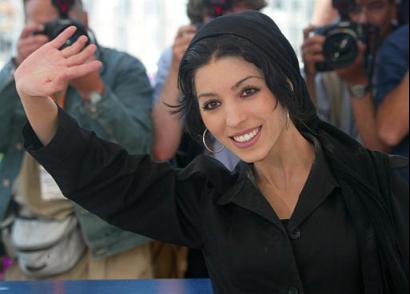
Asghar Farhadi’s The Past has been nominated in five categories for France’s Cesar Awards, while Iranian actress Golshifteh Farahani has also been nominated in the female newcomer category for her role in Afghan filmmaker Atiq Rahimi’s The Patience Stone (Sang-e Sabour).

Farhadi’s film The Past has been nominated in the categories of best director, best film, best original screenplay, best editing and best actress.

France’s Cesar Awards are the local equivalent to the Oscars, and the award ceremony will take place on February 28 in Paris.

http://www.payvand.com/news/14/feb/1005.html

Snowy City Festival in Boroujen

Image

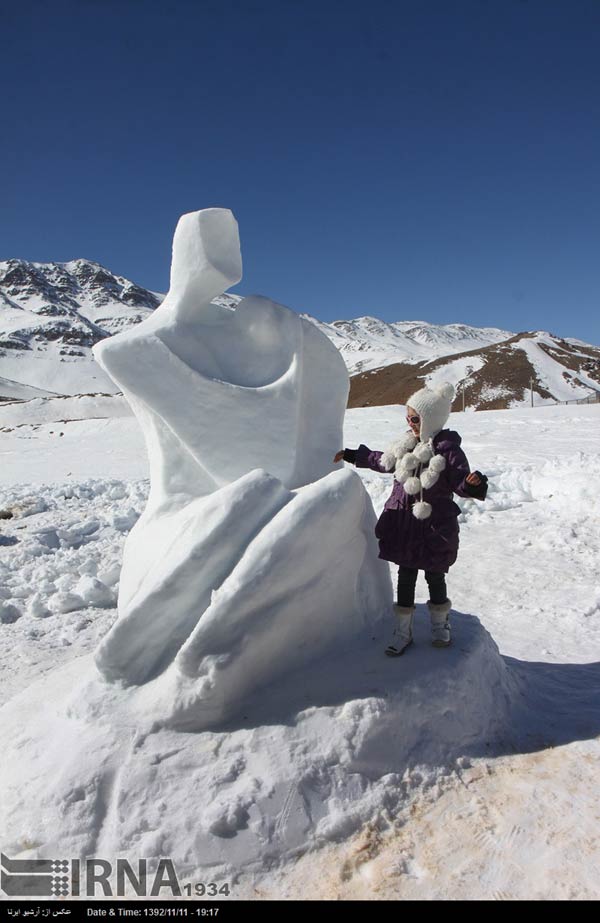
179 people in 39 groups had registered for the competitions. Among the participating groups, 13 were from other provinces. These groups created many giant snow sculptures which decorated the landscape and captivated the visiting people.

Boroujen is well known by its extremely cold weather, usually mentioned as one of the coldest Iran cities in national weather forecasts. It is located on an altitude of about 2197 meters from sea levels. Its climate is usually combined of moderate summer climates as well as very cold winters. Snow days are normally 122 days per year, and the temperature could reach -27°C. The maximum observed temperature has been 36°C. Average annular precipitation is 243 mm (24% in the spring, 1% in the summer, 33% in the fall, and 44% in the winter).

More photos:

http://www.payvand.com/news/14/feb/1016.html

Iran-Israel a viral TED Video by Ronny Edry

Also consider that the people in Iran are living in a dictatorship, which strongly limits their freedom of speech. Still for every Israeli love-message there was an iranian response.

This is the reality. the reality is not what politicians make up, like what you can read in the following article by the Christian Science Monitor:

http://www.csmonitor.com/World/Middle-East/2011/1108/Imminent-Iran-nuclear-threat-A-timeline-of-warnings-since-1979/Israel-paints-Iran-as-Enemy-No.-1-1992

Iran’s Environment Chief, the first woman to receive the Energy Globe Foundation award

Iran’s Vice President and Head of the Department of Environment Masoumeh Ebtekar has won the Energy Globe Foundation award for her long-term efforts in the field of environment protection.

Wolfgang Neumann, the Austrian founder of the Energy Globe Foundation, took a trip to Iran to present the prize to Ebtekar, who is the first women ever receiving the award.

Some more info about Masoumeh Ebtekar from Wikipedia:
Ebtekar was born in Tehran as Niloufar Ebtekar in a middle-class family. Her first name translates to “Innocent Water Lily” in English. Ebtekar’s father studied at the University of Pennsylvania, and she lived with her parents in Upper Darby of Philadelphia. During her six years in Philadelphia, she developed “near-perfect, American-accented English.”

[…]

Ebtekar has served as faculty member at Tarbiat Modares University, which is a post graduate academic center located in Tehran. As an Associate Professor in Immunology, she has taught, supervised and advised PhD and MSc students. Ebtekar currently teaches cytokines, viral immunology, HIV vaccines, aging, immunology of the nervous system and psychoneuroimmunology. She has currently filed 41 ISI scientific articles in the field of immunology in her name. In her speech to the Eleventh International Congress of Immunology in Tehran, she mentioned the detrimental effect of sanctions on the advancement of science in Iran and noted that sanctions should not be directed against nations. Ebtekar is a member of several research board committees and a reviewer for two international and four national immunology journals.

Check my reply to this post to read my comment.

Image

Check the photos here: Payvand Iran News

Highly awarded Iranian filmmaker and director Mohsen Makhmalbaf

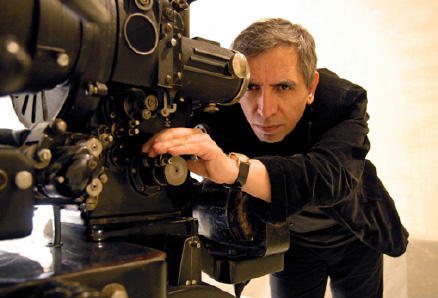
Mohsen Makhmalbaf (Persian: محسن مخملباف‎, Mohsen Makhmalbaaf; born May 29, 1957) is an acclaimed Iranian film director, writer, film editor, and producer. He has made more than 20 feature films, won some 50 awards and been a jury in more than 15 major film festivals. His award-winning films include Kandahar, and his latest film is the The Gardener.

Time magazine selected Makhmalbaf’s 2001 film Kandahar as one of the top 100 films of all time.[1] In 2006, he was a member of the Jury at the Venice film festival.

Makhmalbaf, Mohsen Awarded Iranian film director

Degrees and honors

  • Honorary Degree of Doctor of Literature From St Andrew University, Scotland, 2011
  • Honorary Degree of Doctor of Cinema From Nanterre University, France, 2010
  • “Freedom to Create Prize” for his human right activity and promoting social Justice through his art, Art Action, England, 2009
  • “Federico Fillini Honor” from UNESCO in Paris, 2001 (France)
  • A Moment of Innocence: Among Top Ten Films of the Decade – Awarded by International Festival Directors and Critics 1999.
  • Mohsen Makhmalbaf: Selected as the best filmmaker after the revolution by readers of cinema publications, 1988.

International Awards

1. The Cyclist: Best Film – Rimini Festival (Italy) 1989.
2. The Cyclist: Best Film – Hawaii Festival (USA) 1991.
3. Once Upon a Time, Cinema: Best Film – Taormina Festival (Italy) 1992.
4. Once Upon a Time, Cinema: Best Film – Karlovy vary Festival (Czechoslovakia) 1992.
5. Once Upon a Time, Cinema: Best Film – Fiprachi Critics – Karlovy vary Festival (Czechoslovakia) 1992.
6.Once Upon a Time, Cinema: Best Director – Karlovy vary Festival (Czechoslovakia) 1992.

9. Salam Cinema: Best Film – Munich Festival (Germany) 1996.
10. Gabbeh: Best Artistic Film – Tokyo Festival (Japan) 1996.
11. Gabbeh: One of 10 selected films by critics – Times (USA) 1996.
12. Gabbeh: Best Director – Sitguess Festival (Spain) 1996.

16. A Moment of Innocence: Youth Golden Award – Locarno Festival (Switzerland) 1996.
17. A Moment of Innocence: Among Top Ten Films of the Decade – Awarded by International Festival Directors and Critics 1999.
18. Silence: Golden Prize of Italian Parliament – Venice Festival (Italy) 1997.

22. Kandahar: Grand prize from Society of churches of world, Cannes 2001 (France)
23. Kandahar: “Federico Fillini Honor” from UNESCO in Paris, 2001 (France)
24. Kandahar: The best movie from Ajaccio Film Festival, (France) 2001
25. Kandahar: “Public Prize” from Festival des Cinemas du Sud, (France) 2001
26. Kandahar:”Best Director Award” from Riga International Film Forum Arsenals,Latvia 2002

29. The Afghan Alphabet:”Best Film Award”from Document ART International Film Festival, (Germany) 2002.

32. Kandahar: “Best Film” Fiprachi Critics From Thessaloniki (Greece) 2001

35. “Clermont-Ferrand Medallion”, the city medallion granted to the legendary Mohsen Makhmalbaf, France, 2006.

http://en.wikipedia.org/wiki/Mohsen_Makhmalbaf

Samira Makhmalbaf one of the world most famous female directors, and winner of multiple international movie awards

Image

Samira Makhmalbaf (Persian: سمیرا مخملباف‎, Samiraa Makhmalbaaf) (born February 15, 1980,[1] Tehran) is an internationally acclaimed Iranian filmmaker and script writer. She is the daughter of Mohsen Makhmalbaf, the film director and writer. Samira Makhmalbaf is considered to be one of the most influential directors as part of the Iranian New Wave.

At the age of 17, after directing two video productions, she went on to direct the movie The Apple.

Samira Makhmalbaf has been the winner and nominee of numerous awards. She was nominated twice for Golden Palm of Cannes Film Festival for Panj é asr (At Five in the Afternoon) (2003) and Takhté siah (Blackboards) (2001). She won Prix du Jury of Cannes, for both films in 2003 and 2001 respectively. Samira Mohmalbaf also won UNESCO Award of Venice Film Festival in 2002 for 11.09.01 – September 11 and Sutherland Trophy of London Film Festival for The Apple in 1998. In 2003, a panel of critics at the British newspaper The Guardian named Makhmalbaf among the best 40 best directors at work today.[4]

Awards and Nominations

  • “Sutherland Trophy”, London Film Festival 1998, UK.
  • “International Critics prize”, Locarno Film Festival 1998, Switzerland.
  • “Jury’s Special prize”, Thessalonica Film Festival 1998, Greece.
  • “Jury’s Special prize”,São Paulo Film Festival 1998, Brazil.
  • “Jury’s Special prize”, Independent cinema Festival 1999, Argentina.
  • “Critic’s prize”, Independent cinema Festival 1999, Argentina.
  • “Audience’s prize”, Independent cinema Festival 1999, Argentina.
  • “Jury Special award”Official Competition section of the 2000 Cannes Film Festival, France.[11]
  • “Federico Fellini Medal”, UNESCO, Paris, 2000.
  • “François Truffaut prize”, Giffoni Film Festival in Italy 2000.
  • “Giffoni’s Mayor Prize “, Giffoni Film Festival, Italy, 2000.
  • “Special cultural Prize”, UNESCO, Paris, 2000.
  • “The grand Jury prize”, American Film Institute, U.S., 2000
  • “Jury Special award”, Official Competition section of Cannes Film Festival 2003, France.
  • Prize of the Ecumenical Jury, Cannes 2003, France.
  • Golden Peacock, competition (first prize) for Best film at the 34th International Film Festival of India 2003, India.
  • The “Youths’ Cinema” Award in Singapore’s 17th International Silver Screen Film Festival 2004
  • “The Special Jury Prize”, San Sebastian Film Festival (2008)

More details: http://en.wikipedia.org/wiki/Samira_Makhmalbaf

Hairless hero: Iranian teacher shaves head in solidarity with bullied pupil

Image

When Iranian schoolteacher Ali Mohammadian noticed that one of his students was being bullied after going bald as a result of a mysterious illness, he decided to show solidarity and shave his own hair. In no time, his entire class shaved their heads and the bullying stopped.

Now, Mohammadian, who teaches at Sheikh Shaltoot’s elementary school in Marivan, a Kurdish city in the west of Iran, has become a national hero.

Read more:

http://www.theguardian.com/world/iran-blog/2014/jan/28/iranian-teacher-hero-shaving-head-solidarity-bullied-pupil

Abdol Hossein Sardari – The Iranian Muslim that saved the lives of thousands of Jews from the Nazis

Image

Abdol Hossein Sardari: Iranian Schindler

An Iranian official risking his life to save Jews? This scenario, while implausible nowadays, actually happened during the Holocaust.

Meet Abdol Hossein Sardari, a diplomat at the Iranian mission in Paris during the 1940s. Known as the “Iranian Schindler,” he helped thousands of Jews escape certain death – by turning the Nazi race ideology on its head. […]

Born into a privileged Iranian family, Sardari was a junior diplomat at the Paris embassy who enjoyed fine dining and the company of pretty women. After the Germans invaded France and the Iranian ambassador left the capital and went to Vichy to reconstitute the embassy there, Sardari was put in charge of consular affairs in Paris. When the Nazis started implementing anti-Jewish decrees in occupied France, Sardari made it his mission to protect his fellow Iranians in the region, regardless of their religion. […]

Writing on the letterhead of the Imperial Consulate of Iran, Sardari tried to convince the authorities that according to “an ethnographic and historical study,” the members of the Jewish communities of Persia and central Asia were not Semitic but rather Aryan, like the Germans themselves. […]

Sardari’s plan actually worked. When Jews were forced to wear the yellow Star of David, a directive was issued that Iranian Jews should be exempt. In addition, Sardari gave out between 500 and 1,000 Iranian passports, without the consent of his superiors. This saved 2,000 to 3,000 Jewish lives, as passports were issued for entire families.

Sardari never took any credit for what he did. When Yad Vashem asked him in 1978, three years before he died a poor exile in London, about his wartime activities, he responded: “As you may know, I had the pleasure of being the Iranian consul in Paris during the German occupation of France, and as such it was my duty to save all Iranians, including Iranian Jews.”

The Simon Wiesenthal Center in Los Angeles and other Jewish institutions have posthumously honored Sardari for his actions.

Read more: Beating the Nazis at their own game | The Times of Israel

The BBC adds:

When Britain and Russia invaded Iran in September 1941, Sardari’s humanitarian task become more perilous. Iran signed a treaty with the Allies and Sardari was ordered by Tehran to return home as soon as possible. But despite being stripped of his diplomatic immunity and status, Sardari resolved to remain in France and carry on helping the Iranian Jews, at considerable risk to his own safety, using money from his inheritance to keep his office going. […]

Fariborz Mokhtari, the author of “In the Lion’s Shadow: The Iranian Schindler and his homeland in the Second World War,” a new biography about Sardari states:

“Here you have a Muslim Iranian who goes out of his way, risks his life, certainly risks his career and property and everything else, to save fellow Iranians,” he says. “There is no distinction ‘I am Muslim, he is Jew’ or whatever.”

Read more: http://www.bbc.co.uk/news/magazine-16190541

Financial Times: Iran among top 2014 travel destinations

http://www.ft.com/intl/cms/s/2/e4f47a04-6972-11e3-89ce-00144feabdc0.html#axzz2plOF8yt7

“Thirty-five years after it dropped off the tourist map, Iran may be set to return to the top of “must-visit” lists for 2014. Its attractions have never been in doubt – from ski resorts to beaches, stunning Islamic architecture, ancient archaeological sites and superb food…”one of the things our clients tell us they enjoy most is the friendliness and welcome provided by the locals.””

iran6 iran iran2 iran3 iran4 iran5

Hana Makhmalbaf – Iran’s world famous female filmmaker

Hana Makhmalbaf

Hana Makhmalbaf


Hana Makhmalbaf (Persian: حنا مخملباف ‎) (born September 3, 1988 (age 25) in Tehran) is an Iranian filmmaker. She is the younger sister of filmmaker Samira Makhmalbaf and daughter of filmmakers Mohsen Makhmalbaf and Marzieh Makhmalbaf.
Career

Her first short film was shown at the Locarno Film Festival in Ticino, Switzerland when she was eight years old. Her first full film was in 2003 and entitled Joy of Madness. The film is a documentary about the making of Samira’s At Five in the Afternoon.

Her first feature film, Buddha Collapsed out of Shame won an award at Festival du nouveau cinéma in Montreal, Canada in 2007, as well as two awards from San Sebastian International Film Festival, Spain, and the Crystal Bear for the Best Feature Film by the Generation Kplus Children’s Jury at the Berlinale Film Festival 2008.

Her second feature, Green Days premiered at the 2009 Toronto Film Festival. Begun as a documentary about the run-up to the 2009 Presidential Election in Iran, it was completed by inter-cutting scenes of the post-election violence garnered from cell-phone and other amateur videos circulating anonymously.

http://en.wikipedia.org/wiki/Hana_Makhmalbaf

Tara Kamangar, “world-class musician”

http://www.taraartemis.com/#!/biography

“Pianist Tara Kamangar has been praised as a “huge talent” (London Evening Standard) and a “world-class musician who excels at blending the best of Western and Middle-Eastern compositions”

Playing a fine piece:
http://www.youtube.com/watch?v=XmH6JxEiIu8

4 tara tara2

Iran Khodro, the largest vehicle manufacturer in the Middle East, Central Asia and North Africa

http://en.wikipedia.org/wiki/Iran_Khodro

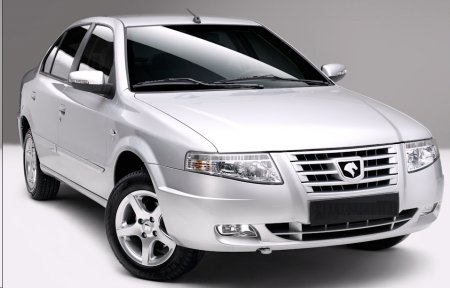
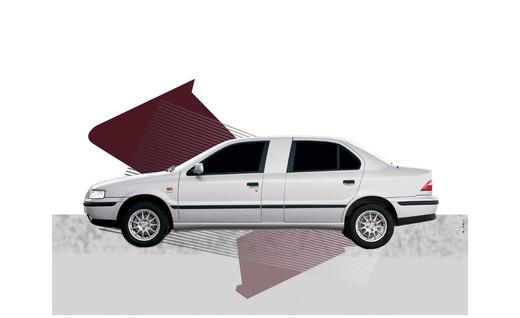
Iran Khodro Company (in Persian: ایران خودرو‎), also known as IKCO, is the leading Iranian vehicle manufacturer, with headquarters in Tehran.[5] The company’s original name was Iran National. IKCO was founded in 1962 and it produced 688,000 passenger cars in 2009.[6] IKCO manufactures vehicles, including Samand, Peugeot and Renault cars, and trucks, minibuses and buses…The company has become the largest vehicle manufacturer in the Middle East, Central Asia and North Africa.”

Also:
http://www.aljazeera.com/video/middleeast/2013/12/iran-auto-industry-sanctions-20131226134241245158.html

“Country wants to be one of top 10 automakers in the world by producing up to 3 million cars a year.”

1367154937_samand_jpg iran-khodro-safir-09 iran-khodro-samand-sarir-photo-363751-s-520x318 iran-khodro-soren-elx-interior-photo-363758-s-520x318

Amir Kabir dam in Karaj (North of Tehran)

Amir Kabir dam, also known as Karaj dam, is a dam in Iran, located 63 kilometres (39 mi) northwest of Tehran and 23 kilometres (14 mi) north of Karaj. Amir kabir Dam was constructed on the Karaj River, and was the first multi-purpose dam in Iran.
Ref: Wikipedia

Maysam Ghovanloo develops system to control wheelchair with tongue

http://www.payvand.com/news/12/feb/1244.html

Maysam Ghovanloo, an Iranian engineer at the Georgia Institute of Technology (GIT), has developed the “Tongue Drive System” (TDS), a wireless, wearable device that allows the user to operate computers and control electric wheelchairs with movements of the tongue.

See also:
http://www.news.gatech.edu/features/tongue-drive-wheelchair
and
http://www.cis.fiu.edu/photo-gallery/v/SCS-Photos/lectures/Ghovanloo/

“Maysam Ghovanloo received the B.S. degree in electrical engineering from the University of Tehran, Tehran, Iran, in 1994 and the M.S. degree in biomedical engineering from the Amirkabir University of Technology, Tehran, Iran, in 1997. He also received the M.S. and Ph.D. degrees in electrical engineering from the University of Michigan, Ann Arbor, MI in 2003 and 2004, respectively. His Ph.D. research was on developing a modular wireless microsystem for Micromachined neural stimulating microprobes…In the summer of 2002, he was with the Advanced Bionics Inc., Sylmar, CA, working on the design and development of spinal-cord stimulators. From 2004 to 2007 he was an assistant professor at the Department of ECE in the North Carolina State University, Raleigh. In June 2007 he joined the faculty of Georgia Institute of Technology, Atlanta, GA, where he is currently an assistant professor at the School of ECE and the founding director of the GT-Bionics laboratory.”

Maysam_Jason_l-res


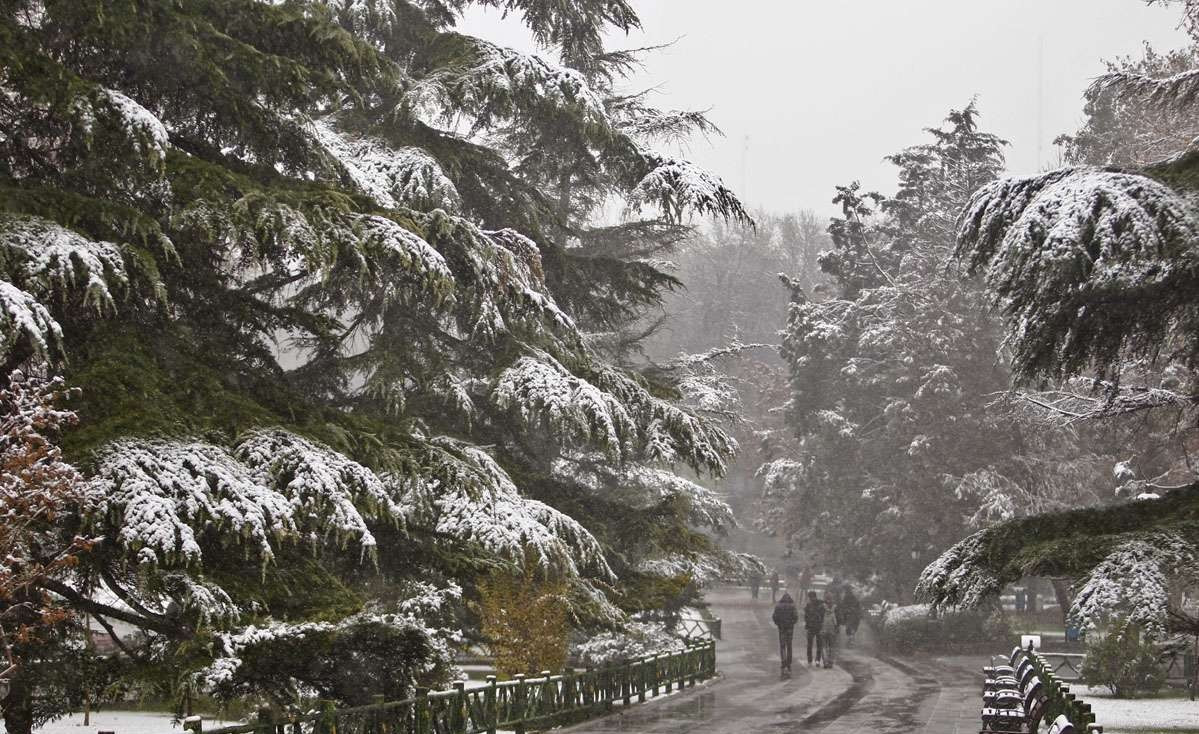
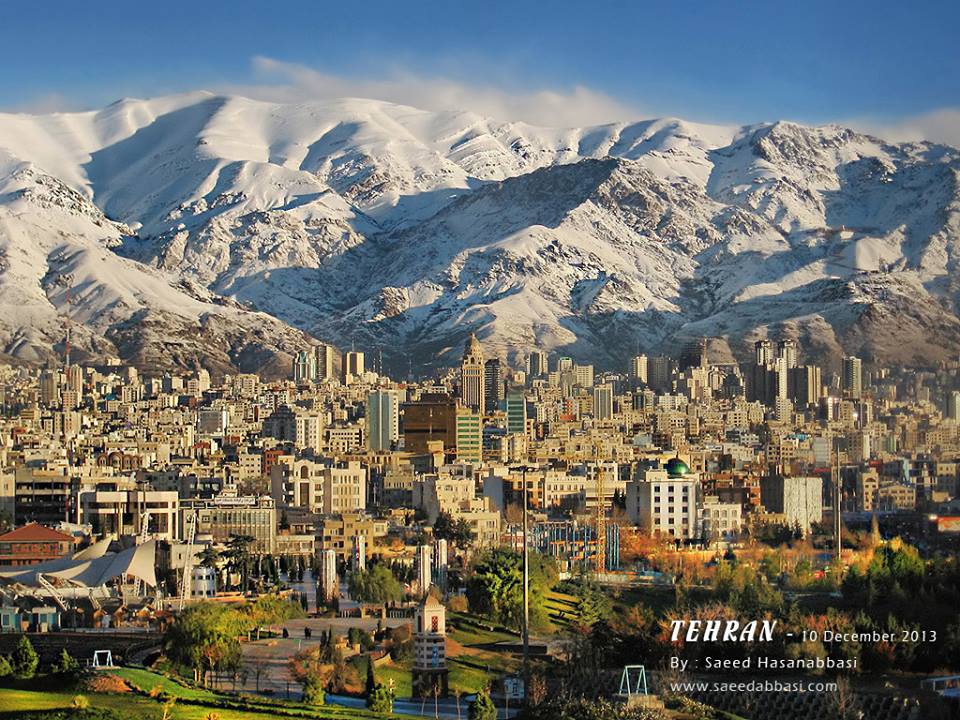
Tehran (Iran) received its first snow of the season

http://imgur.com/a/hbQsE

RexsqHb BXq2ZbC JfZ7PBR MWgnBpW

Iran at forefront of stem cell research

“Though the world’s attention has focused on Iran’s advancing nuclear program, Iranian scientists have moved to the forefront in embryonic stem cell research, according to a recent joint study by Harvard University and the Massachusetts Institute of Technology.”
—Source: The Washington Times

“Thirty years after the toppling of the Shah in Iran, the nation is undergoing another revolution of sorts. Iran is investing heavily in stem cell research, and despite researchers working with limited access to laboratory equipment and resources, the country may emerge as a scientific force to be reckoned with in the stem cell field.”
—Source: The Scientist

index

Salome MC – Iran’s first female rapper

Salome Mc (Persian: سالومه, born 1985), is a female rap artist from Iran.[1]

Being questioned about being a female rapper in Iran, she mentioned in several interviews that she wouldn’t say she faced many chal­lenges just because she was a female. “I might be the first female rap­per to ever step in a stu­dio in Iran, yes, but from peo­ple around me I mostly got courage after they got over the sur­prise. The other chal­lenges that you might guess was there for my male coun­ter­parts too. Of course you get a cer­tain amount of sexist com­ments from lack of com­mon sense or edu­ca­tion, but that is a global prob­lem. “[5]

female iranian rapper

female iranian rapper

http://en.wikipedia.org/wiki/Salome_MC

What Iranians Say Now About the US

“The reactions I received as an American traveling for 10 days in Tehran, Isfahan and Qum mirrored Iran’s politics and posture in this moment — there is a serious, even eager, interest in reconnecting with the West, even as Iranians struggle with three decades of poisoned relations. […]

One important voice in advancing that transformation is Grand Ayatollah Youssef Saanei. […] He endorsed the nuclear deal and said that, “today the people in power in Iran and the people in power in the United States should forgive each other, should forget the past and start the friendship.”

Source: The New York Times | What Iranians Say Now About ‘the Great Satan’ by Carol Giacomo

Nanotechnology in Iran: Well Organised and Impressive

http://www.cientifica.com/nanotechnology-in-iran-well-organised-and-impressive/

“Iran has always been a source of fascination, a place of ancient culture and history and now a country making a lot of noise about science and technology, so I was pleased to be invited by the Iran Nanotechnology Initiative Council to attend the Iran Nano 2011 exhibition in Tehran.
As I’d spent the previous few days in Taiwan at the Taiwan Nano 2011 exhibition, it was a good opportunity to contrast the two events and try to judge whether there was any truth to the claims that Iran is becoming a world-class player in nanotechnology.

The unique aspect of Iranian nanotechnology is that because of the various international sanctions over the past thirty years it’s not the kind of place where you can just order an AFM or an electron microscope from a major US or Japanese supplier.”

About the author:
Tim Harper, International Innovation Strategist, Entrepreneur, Emerging Technologies & Keynote Speaker

Also:
“Iran Ranks 9th in Nanotechnology in World”
http://www.nanotech-now.com/news.cgi?story_id=47122

Nanoscience-Tabriz

The Caspian Sea, the worlds largest landlocked lake

Irpedia | The Caspian Coast

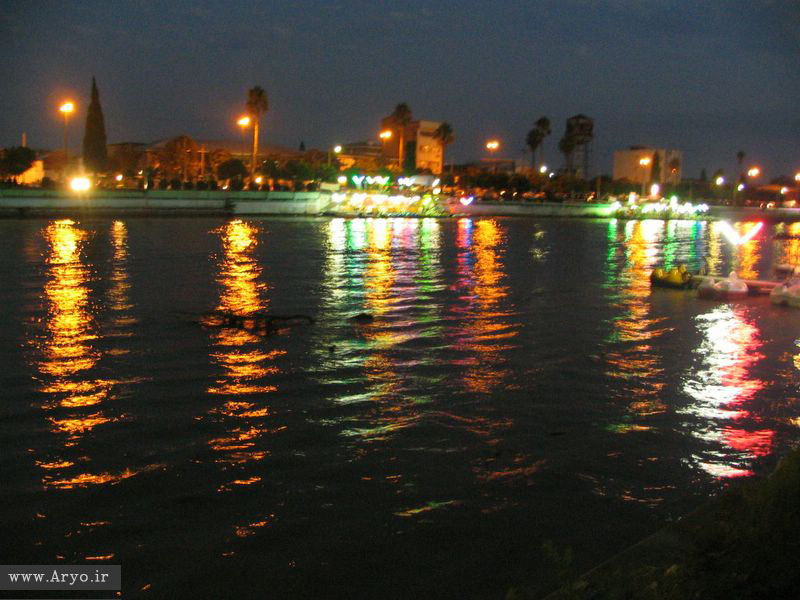
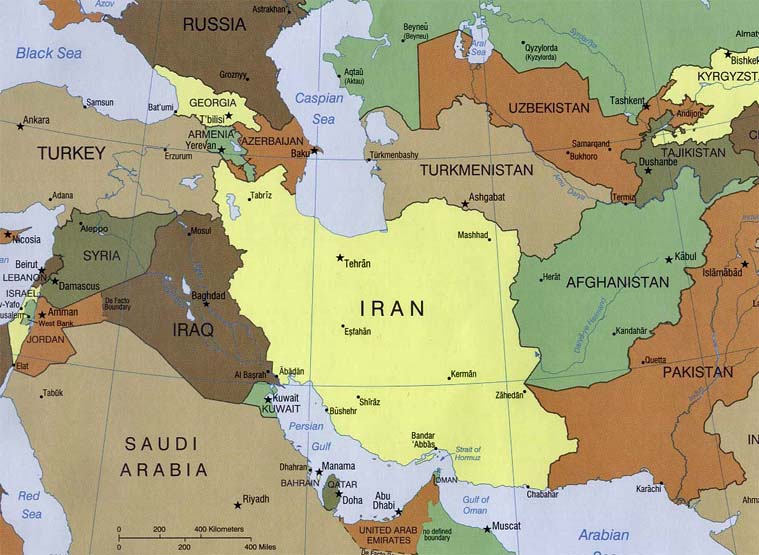
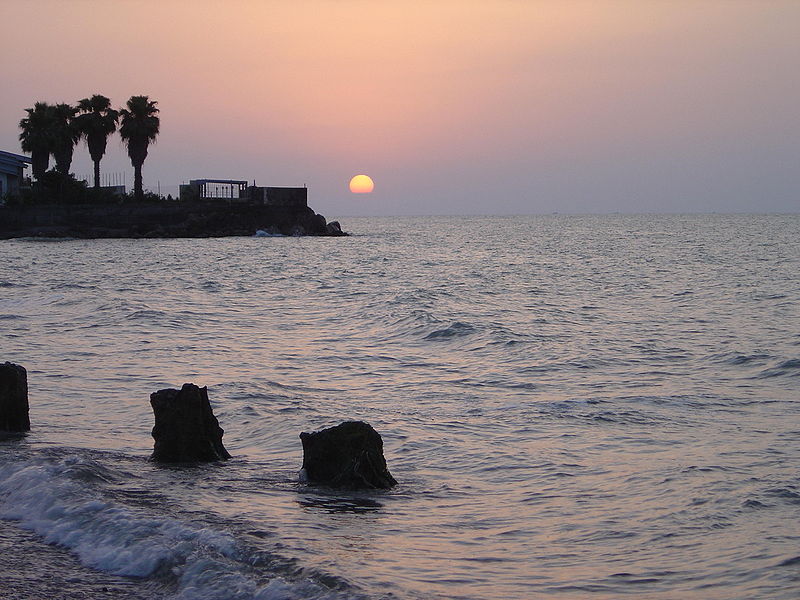
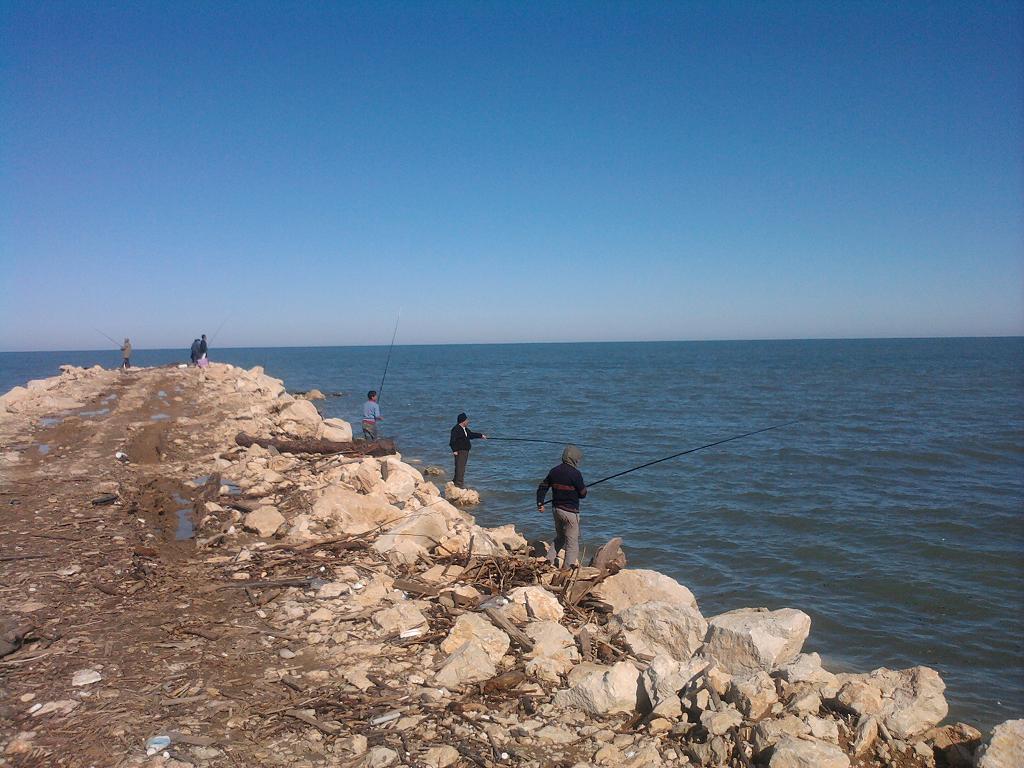
“Caspian Sea, the largest landlocked lake in the world, is located in northern Iran. The Iranian Caspian coast including the three littoral provinces of Gilan, Golestan and Mazandaran, with its thick forests and large-scale rice paddies presents a striking contrast to the dry inner plateau of Iran.

A four-hour drive from Tehran, the Caspian is Iran’s Riviera, with a narrow plain of paddyfields and orchards separating the sea from forested mountains where bears and leopards roam around ruined Mongol castles.”

Also: Wikipedia | Caspian Sea

img_0693 189 Iran & Neighbors Map 800px-Caspian_see-Iran-1 1289287626.zfE

Beautiful islamic Architecture of Iran

http://vudesk.com/profiles/blogs/beautiful-architecture-of-iran-1

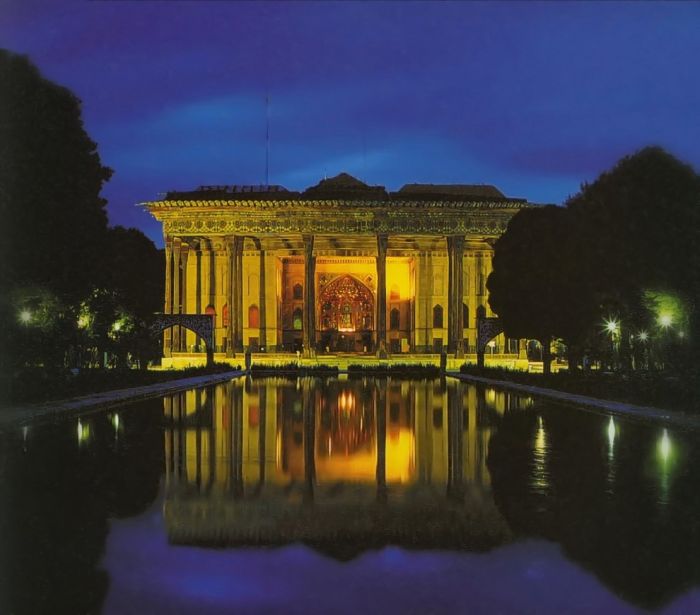
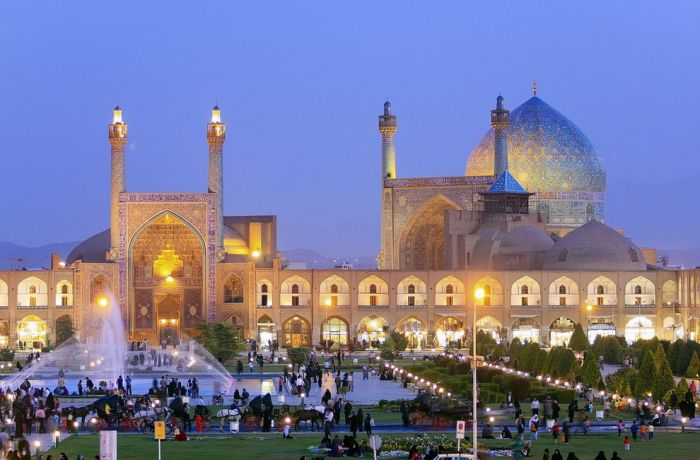
beautiful_architecture_of_iran_25 beautiful_architecture_of_iran_03 beautiful_architecture_of_iran_05

Iranian wins gold at World Youth Chess Championship

http://www.payvand.com/news/13/dec/1175.html

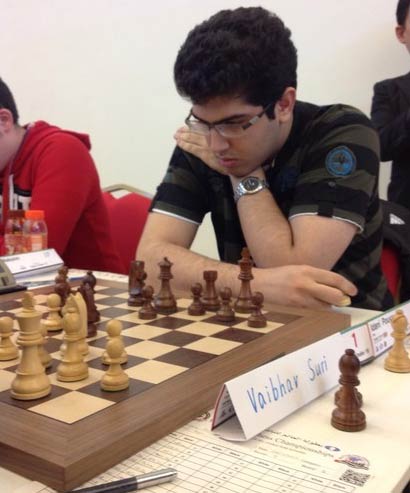
Pouya Idani of Iran won the World Youth Chess Championship 2013 held in Al Ain, the United Arab Emirates on Saturday.

Also: “Pouya Idani grabs the trophy in Khazar Open 2012”
http://www.chessdom.com/pouya-idani-grabs-the-trophy-in-khazar-open-2012/

Iranian-chess-player-Pouya-Idani-1


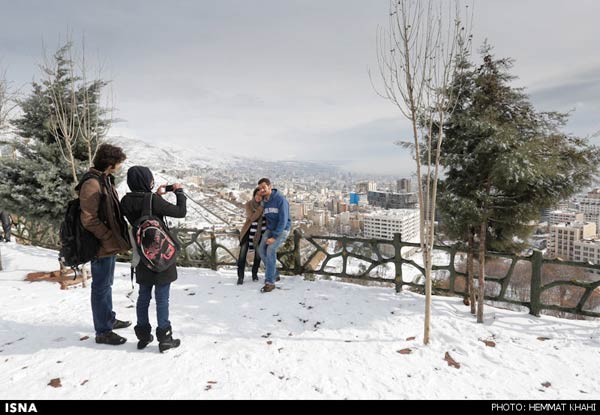
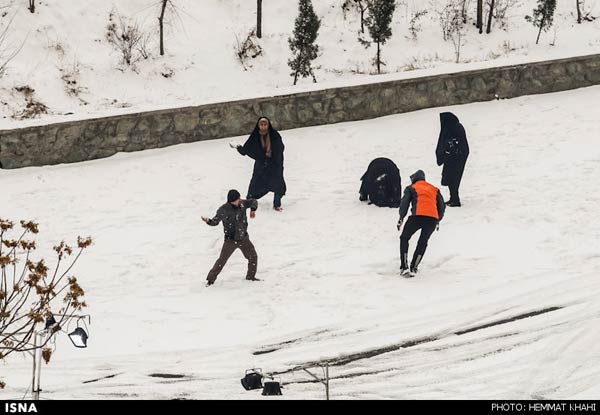
First Snow Of The Season In Tehran

http://www.payvand.com/news/14/jan/1004.html

First-Snow-in-Tehran-32 First-Snow-in-Tehran-7 First-Snow-in-Tehran-11 First-Snow-in-Tehran-15 First-Snow-in-Tehran-20 First-Snow-in-Tehran-26 First-Snow-in-Tehran-31

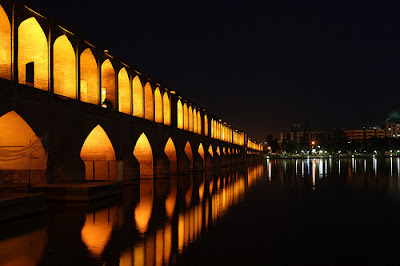
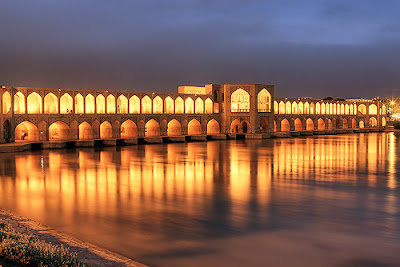
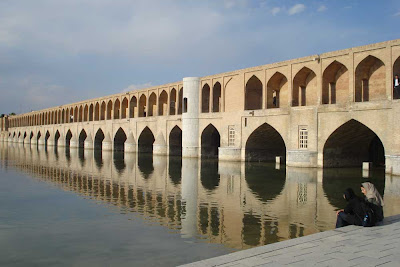
Beautiful Photographs of Khaju Bridge in Isfahan, Iran

http://allworldbest.blogspot.de/2012/06/beautiful-photographs-of-khaju-bridge.html

khawju bridge isfahan3 khawju bridge isfahan1 khawju bridge isfahan2

Iranian contribution to SUNNI Islam

While anti-Iranian sentiment is present particularly among Sunni Arabs it´s highly interesting that all six authors of the so called canonical “Sahih Hadith” books were Iranians:
http://saeedtalpur.wordpress.com/2013/12/11/six-persian-iranian-imams-sunni-hadith-collectors/

“According to the Cambridge History of Iran: After this period commences the age of the authors of the six canonical collections of Sunni hadith, all of whom were Persian. The authors of the six collections are as follows:

  1. Muhammad b. Isma’il al-Bukhari, the author of the Sahih Bukhari, which he composed over a period of sixteen years. Traditional sources quote Bukhari as saying that he did not record any hadith before performing ablution and praying. Bukhari died near Samarqand in 256/869-70.
  2. Muslim b. Hajjaj al-Naishapuri, who died in Nishapur in 261/ 874-5 and whose Sahih Muslim is second in authenticity only to that of Bukhari.
  3. Abu Dawood Sulaiman b. Ash’ath al-Sijistani, a Persian but of Arab descent, who died in 275/888-9.
  4. Muhammad b. ‘Isa al-Tirmidhi, the author of the well-known as Sunan al-Tirmidhi, who was a student of Bukhari and died in 279/892-3.
  5. Abu ‘Abd al-Rahman al-Nasa’i, who was from Khurasan and died in 303/915-16.
  6. Ibn Majah al-Qazwini, who died in 273/886-7.”

Source: http://en.wikipedia.org/wiki/Kutub_al-Sittah

In addition two of the most relevant early islamic historians, Tabari and Baladhuri were Iranians:
http://en.wikipedia.org/wiki/Muhammad_ibn_Jarir_al-Tabari
http://en.wikipedia.org/wiki/Baladhuri

Beautiful pictures of Iran

http://cutefunnystuff.blogspot.com/2012/04/beautiful-pictures-of-iran.html

Beautiful Pictures of Iran (19) Beautiful Pictures of Iran (4) Beautiful Pictures of Iran (14)

Iran from Viewpoint of a Japanese Pianist

“Now, when I go over my memories of that exceptional trip after having stayed in Iran for a few days, I see that the most prominent part of those memories is warm and honest treatment as well as the hospitality of the Iranian people. Everybody there hails you with a polite smile. I, having been born in a country where respectful treatment of others is of high importance, was in a good position to appreciate the respectful treatment of the Iranian people.

What I saw from the Iranian people during my short trip [to that country] was that they are always serene, well-mannered, and ready to offer all kinds of assistance and cooperation. I wondered why I didn’t know anything about the good and well-mannered people of Iran, who are very cultured and take pride in their culture and arts, before this trip?” –Noriko Ogawa

Noriko Ogawa is a Japanese pianist that traveled to Iran on an invitation extended to her by the Japanese Embassy in Tehran. She had musical performances in the cities of Tehran and Shiraz.

Read more at Payvand | Concert in Tehran: Iran from Viewpoint of a Japanese Pianist

The Alborz mountains and Mount Damavand

http://en.wikipedia.org/wiki/Alborz

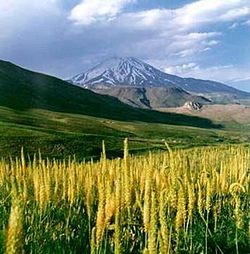
Alborz (About this sound listen (help·info) Persian: البرز‎), also written as Alburz, Elburz or Elborz, is a mountain range in northern Iran stretching from the borders of Azerbaijan and Armenia in the northwest to the southern end of the Caspian Sea, and ending in the east at the borders of Turkmenistan and Afghanistan.[1] The highest mountain in West Asia, Mount Damavand, Amol, Mazandaran is located in the range.”

http://en.wikipedia.org/wiki/Elburz_Range_forest_steppe

“Elevations typically range from 2,000 to 4,000 metres (6,600 to 13,000 ft), and the highest point in the Middle East, 5,610 metres (18,410 ft) high Mount Damavand, is found here. Mount Damavand is also the tallest volcano in Asia and below its summit crater are found fumaroles and hot springs as well as glaciers.”
250px-Damavand3 Alborz

Castles in Iran since pre-islamic times

800px-Falak-ol-Aflak_Castle_07

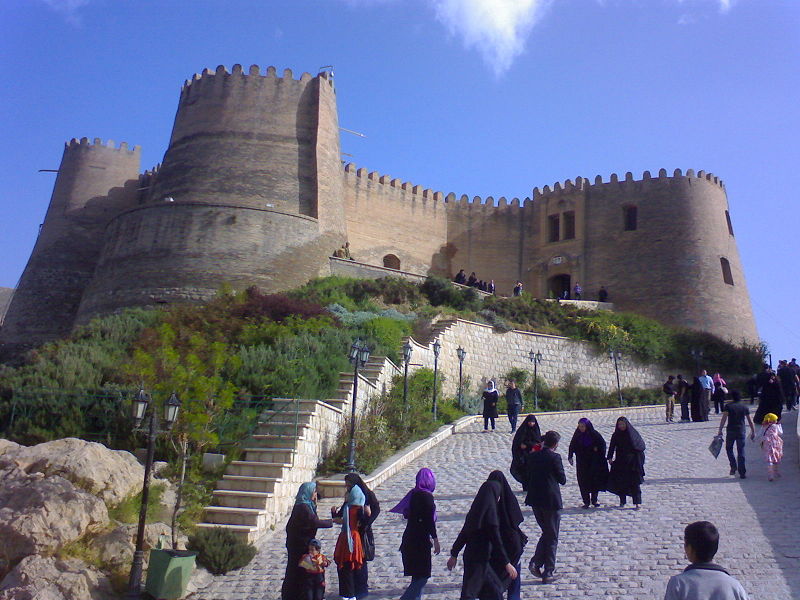
Falak-ol-Aflak Castle, Lorestan Province, Iran

Falak-ol-Aflak Castle (in Persian: Dez-e Shapur-Khwast and in ancient times known as Dezbar as well as Shapur-Khwast) is a castle situated on the top of a large hill with the same name within the city of Khorramabad, the regional capital of Lorestan Province, Iran. This gigantic structure was built during the Sassanid era (226–651).
Source: Wikipedia | Falak-ol-Aflak Castle

babak

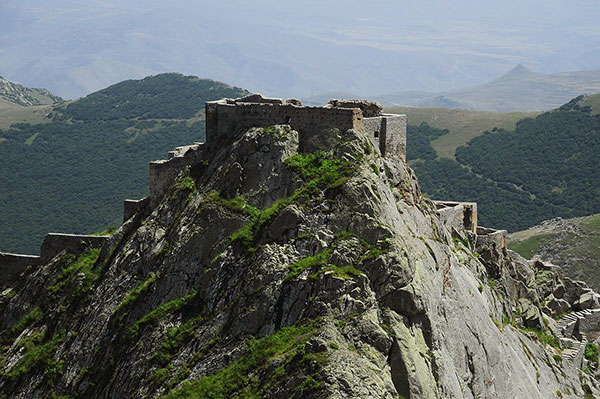
Babak Castle, East Azerbaijan Province, Iran

Papak Fort or Babak Castle (in Azerbaijani Baezz Qalasi), also known as the Immortal Castle or Republic Castle, is a large citadel and National Symbol of Iranians on the top of a mountain in the Arasbaran forests, which is located 6 km southwest of Kaleybar City, East Azerbaijan Province, northwestern Iran.
Source: Wikipedia | Babak Fort

800px-Narin_ghaleh_2

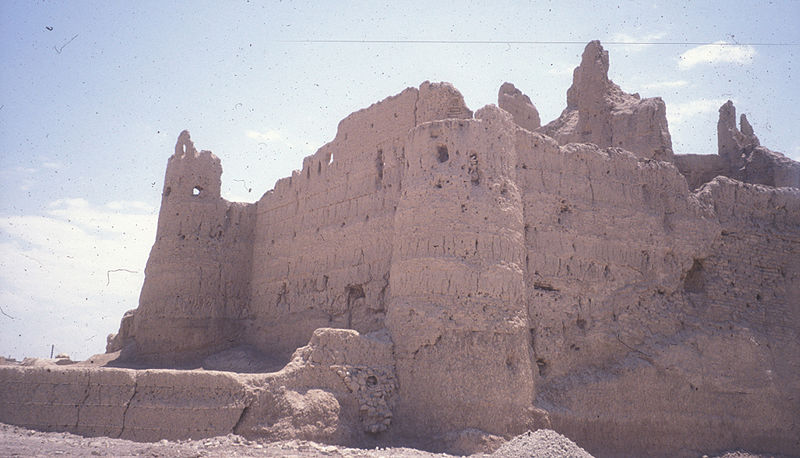
Narin Ghaleh, Yazd Province, Iran

The Narin Qal’eh or Narin Castle is a mud-brick fort or castle in the town of Meybod, Yazd Province, Iran. Structures like these constituted the government stronghold in some of the older (pre-Islamic) towns of central Iran. Some of these castles incorporate mud bricks of the Medes period and of the Achaemenid and Sassanid dynasties.
Source: Wikipedia | Narin Qal’eh

Further links:
1. Payvand | Ardeshir Palace in Kerman
2. The other Iran | Roudkhan Castle
3. Payvand News of Iran | Behestan Rock
4. Wikipedia | List of castles in Iran

Snowmen festival in Tabriz, Iran

Mehr News Agency published beautiful photos of a snowmen festival in Tabriz, North-western Iran. Click here to see the pictures: Mehr News Agency


Christianity in Iran

“Today, there are at least 600 churches for 250,000 Christians in Iran. A number of Christian denominations are represented in Iran. Many members of the larger, older churches belong to minority ethnic groups – the Assyrians and Armenians – having their own distinctive culture and language…In 1976, the Christian population numbered 168,593 people, mostly Armenians. Due to the Iran-Iraq war in the 1980s and the dissolution of the Soviet Union in the 1990s, almost half of the Armenians migrated to the newly independent Republic of Armenia. However, the opposite trend has occurred since 2000, and the number of Christians with Iranian citizenship increased to 109,415 in 2006. At the same time, significant immigration of Assyrians from Iraq has been recorded due to massacres and harassment in post-Saddam Iraq.”

See also: Wikipedia | Armenian-Iranians, Wikipedia | Assyrians in Iran, Wikipedia | Roman Catholicism in Iran

Source: Wikipedia | Christianity in Iran


“A Separation”, first Iranian movie to win the Oscar academy award

A Separation (Persian: Jodái-e Náder az Simin, “The Separation of Nader from Simin”) is a 2011 Iranian drama film written and directed by Asghar Farhadi.

Farhadi focuses on a middle class family in Tehran to explore the tensions and challenges of modern Iran. By examining class, religious and gender conflict through the intimate lens of family life, he highlights the interconnection between the personal and political. The lecture identifies and analyses the multiple pressure points within the film narrative and the central idea that the very things that connect us as human beings also separate us.

A Separation won the Academy Award for Best Foreign Language Film in 2012, becoming the first Iranian film to win the award. It received the Golden Bear for Best Film and the Silver Bears for Best Actress and Best Actor at the 61st Berlin International Film Festival, becoming the first Iranian film to win the Golden Bear. It also won the Golden Globe for Best Foreign Language Film.

The film was nominated for the Best Original Screenplay Academy Award, making it the first non-English film in five years to achieve this.

Nader and Simin: A Separation (trailer):

Asghar Farhadi, 123 mins, Iran, 2011

Source: Wikipedia | A Separation, Australian Centre for the Moving Image | A Separation

Iran in the “International Science Ranking” (2012)

http://www.scimagojr.com/countryrank.php?area=0&category=0&region=all&year=2012&order=it&min=0&min_type=it

“According to the Institute for Scientific Information (ISI), Iran increased its academic publishing output nearly tenfold from 1996 to 2004, and has been ranked first globally in terms of output growth rate (followed by China with a 3 fold increase).”
http://en.wikipedia.org/wiki/Science_and_technology_in_Iran#Contribution_of_Iranians_and_people_of_Iranian_origin_to_modern_science

Iranian scientists to receive UNESCO Award

http://www.payvand.com/news/11/aug/1232.html

Four Iranian scientists ranked in the list of Islamic World’s top scholars are to receive UNESCO Award.

The scientists include Abbas Shafiee Professor of Faculty of Pharmacy of Tehran University of Medical Sciences, Mojtaba Shamsipour Professor of Chemistry in Razi University, Mohsen Nemat Gorgani Professor of Biochemistry in Tehran University and Ali Akbar Sabouri Professor of Biophysics of Tehran University.

Beautiful Iran (photos)

Parsin's avatarPersia

See Also

A Very Beautiful Slide show about Iran (pps)

———–

Uramunat- Kurdistan- North western Iran

armenian-church-north-western-iran

armenian-church-Azerbaijan- North western Iran

View original post 100 more words

Burton Richter, an American Nobel laureate in physics at Sharif University in Tehran

” ‘The students here are very impressive,’ Richter said, lauding the high level of education at Sharif. […]

The country’s leaders […] invest heavily in scientific and industrial achievement. […]

Iranian scientists claim breakthroughs in nanotechnology, biological researchers are pushing the boundaries of stem cell research and the country’s car industry produces more cars than anywhere else in the region.”

Source: The Washington Post | Iran Makes the Sciences A Part of Its Revolution by Thomas Erdbrink

Tochal: A ski resort in Irans capital Tehran

http://www.payvand.com/news/10/mar/1025.html

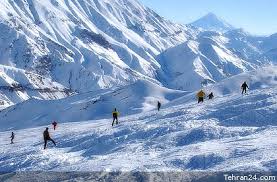
Mount Tochal is a mountain in the Alborz range and adjacent to metropolitan Tehran, Iran. The mountain has a 12 km long ridgeline. The highest peak, also called Mount Tochal, is at an elevation of 3,964 m (13,005 feet)

https://i0.wp.com/payvand.com/blog/files/2011/01/tehran-snow-tochal-04.jpg


https://i0.wp.com/upload.wikimedia.org/wikipedia/commons/2/24/Tochal-Tehran.jpg

https://i0.wp.com/www.damawand.de/Photo/Tochal/Tochal-Alimohamadi.jpg

https://i0.wp.com/www.tochal.org/app_images/gal/large/1793507343.jpg

https://i0.wp.com/www.mountain-forecast.com/system/images/15464/large/Tochal.jpg

Marjan Kalhor: Iranian Alpine Skier

Marjan Kalhor (born July 21st, 1988 in Tehran) is an Iranian alpine skier who became the first Iranian woman to participate in the Winter Olympics, at the 2010 Vancouver Olympics. She was her nation’s flag bearer in the Opening Ceremony. Kalhor competed in the slalom and giant slalom competitions. She finished 60th among 86 competitors in the Giant Slalom and 55th among 87 participants in the Slalom.

Kalhor started skiing at the age of four, in Dizin, a ski resort in the Alborz mountain range, north of Tehran. At the age of eleven, she won a national competition, and later competed and won medals in Turkey and Lebanon. She has not yet competed in a World Cup event.

Sources: Wikipedia | Marjan Kalhor, zimbio.com

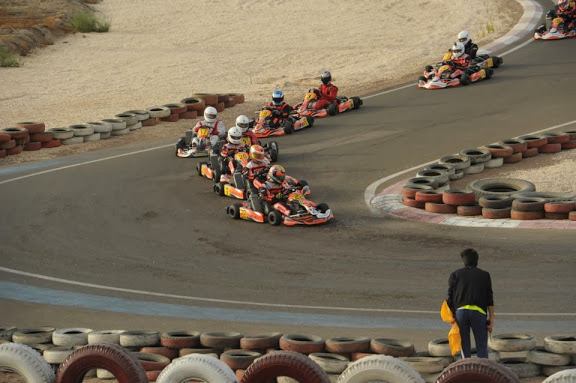
Kart track in Iran

Parand International Kart Racing Complex is situated approximately 35 km southwest of Tehran.

Image

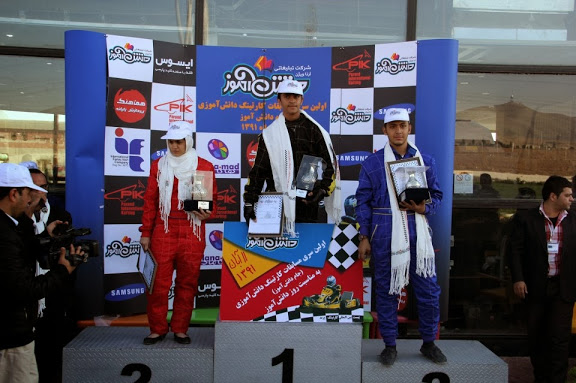
A woman on second place:

Image

Celebrating the day with some music:Image

http://www.uskowioniran.com/2013/11/parand-international-kart-racing-complex.html

Photos: Socrates play performed in Tehran

Image

enjoy more cool and surprising pictures at:

http://www.payvand.com/news/13/dec/1082.html

Female Iranian motor sports stars

At 28, Laleh Seddigh is known for her stunning looks and legendary driving skills…A PhD student from Tehran, she has been nicknamed “a little Schumacher” after the German Formula One champion. She has now been given the title of Iran’s best female racing driver.
http://news.bbc.co.uk/2/hi/middle_east/4349341.stm

Nora Naraghi is barred by her gender from taking a motorcyle out on Iran’s roads, but has defied discrimination to become the country’s motocross champion…Although women are banned from riding motorcycles on the streets in Iran, scenes of women riding pillion on motorbikes are not unusual.But unlike Saudi Arabia, which is also deeply conservative, they are allowed to drive cars. Some even drive buses and long-haul trucks.”
http://www.telegraph.co.uk/expat/expatnews/6857478/Irans-female-motocross-champion-gets-uphill-ride.html

“Iran’s female motorsports champion Zohreh Vatankhah
http://www.independent.co.uk/news/world/middle-east/lipstick-revolution-irans-women-are-taking-on-the-mullahs-1632257.html?action=gallery
https://www.facebook.com/zohreh.vatankhah.1356

Christian football (soccer) players of Iran

Iran has had a history of integrating members of it’s Christian minority in the national football team. Just to focus on the better known names this small selection should be put forward:

Andranik EskandarianAndranik Eskandarian was born on December 31, 1951 in Tehran in an Armenian family. He became a United States citizen in 1984. Eskandarian was a member of the Iranian team winning the Asia Cup 1976 in Tehran and reaching the quarterfinals of the Olympic Tournament in Montreal in 1976. He also played for Iran in the 1978 World Cup. Ref: wikipedia.org

edbEdmond Bezik (born 12 August 1975 in Tehran, Iran) is a retired Armenian-Iranian footballer and coach. He played for Persepolis, Sepahan and Ararat Tehran and was a member of Iran national football team. Having scored 22 goals for Ararat, 32 goals for Persepolis and 30 goals for Sepahan, he scored a total number of 84 goals during his time in Iran’s top division football league, becoming the top division’s all-time top goalscorer. Ref: wikipedia.org

Andranik TeymourianAndranik Timotian-Samarani, born March 6, 1983 is an Iranian-Armenian footballer, more commonly known as Andranik “Ando” Teymourian. […] He played his first match for Iran in 2005, and has featured in Iran’s national squad for the 2006 FIFA World Cup and the 2007 and 2011 Asian Cups. He has played a total of 74 international matches, scoring 8 times. Ref: wikipedia.org

Photos: Snow in Ardabil

Ardabil is about 70 km (43 mi) from the Caspian Sea, and 210 km from the city of Tabriz. It has an average altitude of 1,263 metres (4,144 ft)

The name Ardabil comes from the Zoroastrian name of “Artawila”, which means a holy place. Ardabil is the center of Ardabil Province. At the 2011 census, its population was 564,365, in 156,324 families, where the dominant majority are ethnic Azeris.

See more cool and surprising photos at:

http://www.payvand.com/news/13/dec/1086.html

Snow_in_ardabil_Oldtimer


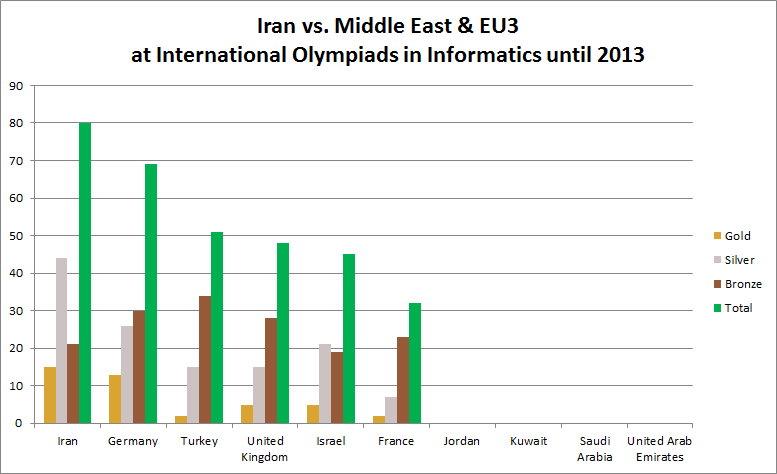
Iran vs. Middle East and EU3 at International Olympiads in Informatics

Image

http://ioi.eduardische.com/countries/