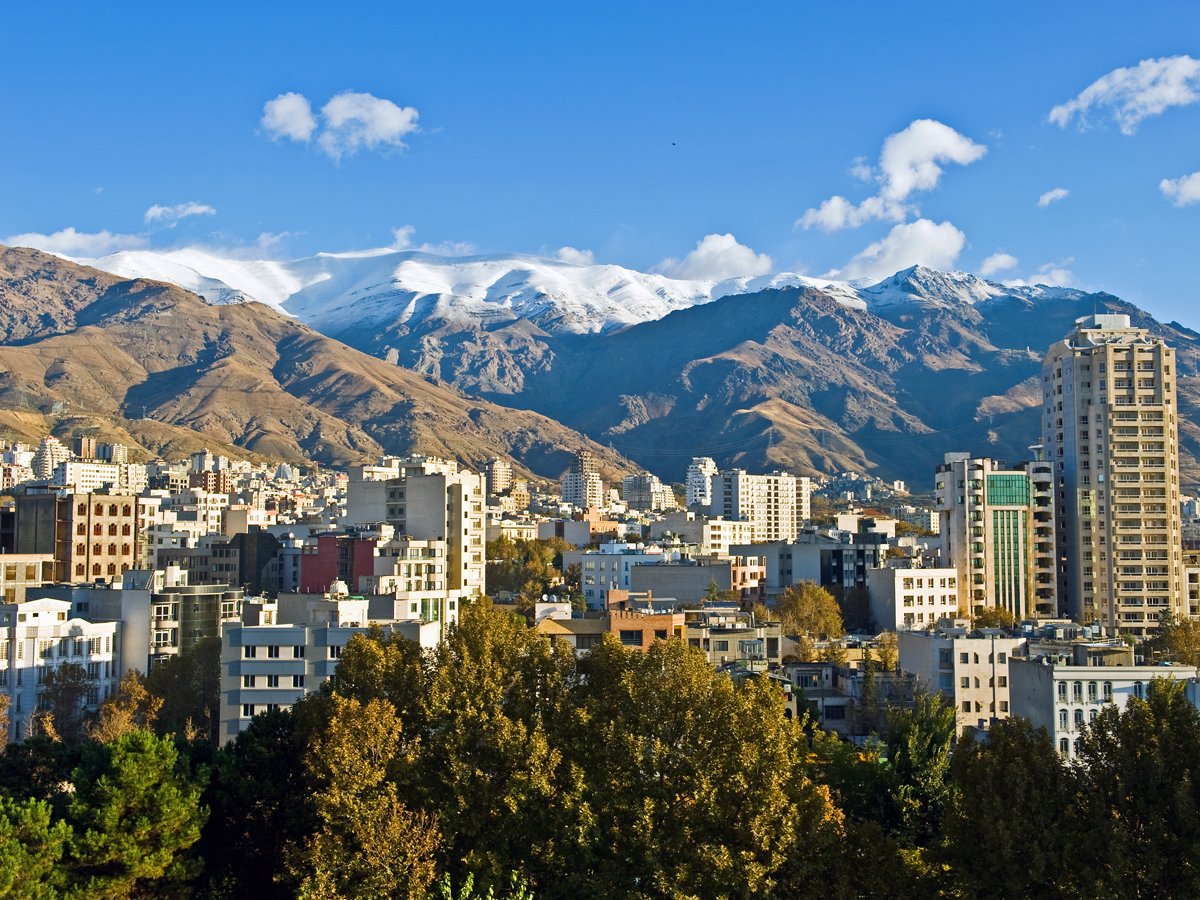
 The first twenty four hours in Tehran have been amazing. This country *is* different from anywhere I have visited. I’ve already had small but poignant insights to a people I have instantly fallen for. My kind of people. A people facing such stressful times at a national and international level, that they don’t have the time nor inclination to sweat the small stuff. Incredibly welcoming and generous people, very interested in talking to independent tourists – of which there are very, very few. There is a level of calm, happiness, and personal contentedness that just can’t be described, only experienced.
[…]
At this point, I will say there is clearly a gap between the government and the people. But, that gap exists in many, if not all, nations. Who ever heard of a nation where people have nothing but nice things to say about the people in power? It may be more complex than that – the point being, Iran is not so different from the country you live in.
Source: YOMADIC | Iran : Arrived in Tehran, One Way Ticket, No Visa – The First 24 Hours
The Iranian artist Mohammadreza Javadinasab has recently created a number of calligraphic paintings on some Iranian percussion instruments called daf. The collection, which comprises 30 works, is scheduled to be showcased in an exhibition, which will open at the Panjareh Gallery in Tehran on May 2.

A calligraphic painting by Mohammadreza Javadinasab depicting a poem by Rumi
Javadinasab has been practicing the nastaliq style of calligraphy over the past 20 years and has held several exhibits.

In fact, music is becoming one of the most potent avenues for a new generation of newly empowered women, who sense a tide shifting in their opportunities in the country. They are expressing themselves in ways that previous generations could not have imagined since the Islamic Revolution. But the moderate stance of current president Hassan Rouhani has encouraged more artists and musicians to ply their wares, and tourists and travelers are taking notice.
…
ABC News met a young “underground” singer in Iran this week. She’s one of many young men and women who perform everything from metal and rock to jazz and R&B, including covers of famous American artists. ABC News spoke with Rana Farhan, a well-known Iranian singer based in New York.
…
What musical genres are most popular among young Iranians?
Iranian young people are like most young people. Their taste ranges from rock to hip-hop and R&B to traditional Iranian music. Although they can’t legally buy it, they find ways to grab songs from the Internet and share them. For instance, my website is blocked in Iran, but if any of my fans send me an email, I will send them my latest mp3s and encourage them to share.
Rest of the interviewcan be read here:
http://originalworldtravel.com/travel-news/?WPACRandom=1398533411393#comment-97
Lastly as a fittingly end this blog we would like to clear up a few western ideologies about Iranians and our travels in Iran:

Following the Ottoman war of 1603-1605, Armenians began to arrive in Iran in search of a new life under the Safavid King Shah Abbas I.
Shah Abbas I, who settled tens of thousands of them in the Iranian provinces south of Aras River, also relocated Armenians, who had fled from the Ottoman massacre in Nakhchivan to Iran. […]
The Armenian immigrants settled in Isfahan and populated the city’s New Jolfa district, which was named after their original homeland in today’s Azerbaijan Republic. […]
One of the largest and most beautiful churches of Iran, the cathedral was completed in 1664. It includes a bell-tower, built in 1702, a printing press, founded by Bishop Khachatoor, a library established in 1884, and a museum opened in 1905. […]
Built in 1871, the museum contains numerous objects related to the history of the cathedral and the Armenian community of Isfahan, including the 1606 edict of Shah Abbas I establishing New Jolfa and prohibiting interference with, or the persecution of, Armenians and their property and affairs in the district. […]
The Vank museum also houses an extensive collection of photographs, maps, and Turkish documents related to the 1915 massacre of Armenians by Ottoman kings.
Posts about Christians in Iran: The other Iran | Christians


Read the full article at: Payvand News of Iran | Wonders of Iran: Vank Cathedral

Other interesting photos from Iran: https://theotheriran.com/tag/photos/
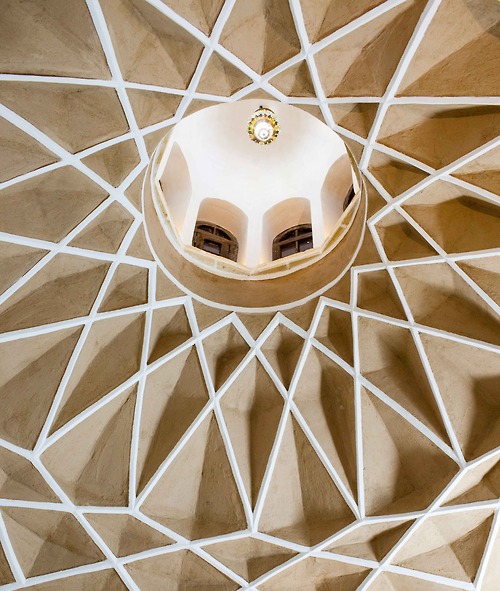
A mere hour’s flight south from Tehran, a visit to Isfahan could alone justify a trip to Iran.
It is hard to say whether the city’s immense charm lies in its aquamarine-tiled mosques and elegant gardens and palaces; in its location at the foot of the snow-capped Zagros mountains and along the curve of the Zayandeh river with its fairytale arched bridges; in its unique, majestic urban plaza and its evocative bazaar; or, year-round clear blue skies. Winters here are crisp and cool, summers sizzling, and spring balmy.
Undoubtedly the most elegant city in Iran, Esfahan was the Persian capital for a hundred-year period from 1588, when it flourished under the rule of the arts-loving despot Shah Abbas I. Traditionally a crossroads for international trade and diplomacy, the city has never ceased to wow visitors.
However, Esfahan is more than a living, breathing work of art: it is an industrial supremo, a modern, cosmopolitan city, with a population of over 1.5 million. Ethnically diverse – the Christian and Jewish minority live alongside the Muslims in peace – the streets are alive with the irrepressible vitality of its youthful residents. Whether you strike up a conversation with a local, lose yourself in the winding alleys of the old quarter or relax in one of the city’s cosy teahouses, you too will fall under Esfahan’s spell.


What to do First stop has to be Naqsh-e Jahan Square, in the centre of town. Begun in 1602 and originally used as a polo ground, it’s one of the world’s largest – beating Russia’s Red Square – and is now a UNESCO world heritage site.
The grassy fountain-filled courtyard is the perfect spot for people-watching, a picnic or simply soaking up the splendid monuments that surround it, such as the massive Imam Mosque complex. Adjacent to the Imam Mosque is the more intimate Sheikh Lotfollah Mosque – its intricately tiled dome never fails to mesmerise visitors.

Ali Qapu Palace, Isfahan, Fars Province
Opposite it, is the Ali Qapu Palace, one time roost of the Safavid rulers, and at the far end is the entrance to the Grand Bazaar. It, like the covered arcade that runs around the square, is your best bet for booty: miniature paintings, decorative tiles, enamel vases and plates, jewellery, carpets, clothes and accessories – from colourful scarves, to fake designer handbags, rupushes, a type of long coat, and hijabs – as well as nuts and sweets. The city is famous for gaz, a type of nougat.
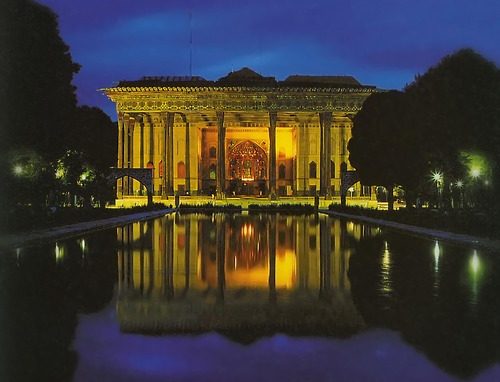
Chehel Sotun, Isfahan, Fars Province
Drag yourself away, if you can for another opportunity to savour high Persian culture in the form of Chehel Sotun Palace, with its mirror work, pillared hall and landscaped gardens, now filled with gaggles of friendly students. Conveniently, it’s also in the vicinity of the Museum of Contemporary Art, which exhibits works by both local and international artists.


Don’t forget to check out Jolfa, the Armenian quarter, south of the Zayandeh River. It’s dotted with churches, including Vank Cathedral which is famous for its striking religious tableaux. Whatever you do, be sure to take a sunset stroll along the banks of the river to the striking Khaju Bridge, a discreet haunt for courting couples.
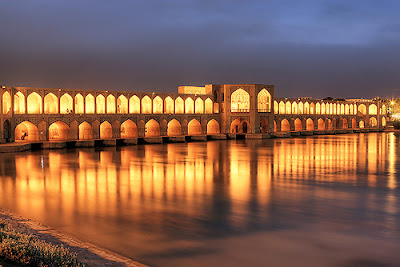
Khaju Bridge, Isfahan, Fars Province

Tabriz is the fourth largest city and one of the historical capitals of Iran and the capital of East Azerbaijan Province. The estimated population of the city is around 3,000,000; the fifth most populous city in Iran.
With a rich history, Tabriz contains many historical monuments, but repeated devastating earthquakes and several invasions during frequent wars have substantially damaged many of them. Many monuments in the city date back to the Ilkhanid, Safavid, and Qajar periods,among them is the large Tabriz Historic Bazaar Complex which is inscribed as a World Heritage Site in 2010. The oldest signs of the civilization in the city is an excavation site and museum in the city center with a history that dates back 2500 years.


Source: Wikipedia | Tabriz
Organized by the Faculty of Foreign Languages and Literatures, the University of Tehran, the conference will run from October 22 through October 23, 2014 in Tehran.
…
William Shakespeare is considered the world’s greatest playwright. He is survived by 38 plays, 154 sonnets and two long narrative poems.
His plays have been translated into every major living language and are frequently staged all around the globe.
Leading Shakespeare scholars as well as the admirers of the Bard will be attending the conference.
The event will be chaired by Dr. Maryam Beyad and Dr. Ismail Salami, the two Iranian Shakespeare scholars and professors at the University of Tehran.
http://www.islamicinvitationturkey.com/2014/04/15/iran-to-hold-first-intl-shakespeare-conference/


Other posts about Christian Iranians:
https://theotheriran.com/tag/christians/
Most of the Iranian Christians are Armenians. Here is a list of Armenian churches in Iran:
http://en.wikipedia.org/wiki/List_of_Armenian_churches_in_Iran

She fights, she drives cars at breakneck speed, she jumps out of planes and helicopters … these are just a few of the talents of Mahsa Ahmadi, the best stunt woman in Iran.

She had already done a number of dangerous scenes in 21 Iranian films when she shot to world fame in 2012 in the most recent James Bond film, “Skyfall”.
…
Gymnastics champion: Mahsa Ahmadi is now 24 years of age, but her career began when she was a young child. As a gymnast, she spent eleven years on the Iranian national team, winning numerous competitions in the process. When she had to leave the national team at the age of 18, she found a new challenge in the group “Stunt 13”. She is also a qualified sports teacher.
…
Woman in a male-dominated world: the stunt scene in Iran is a male-dominated world: “most of the time…
View original post 84 more words

On the morning of January 1 2009 I took a ferry from Buenos Aires to Colonia in Uruguay. This would be the first of many border crossings as I embarked on what I knew would be the biggest adventure of my life: the Odyssey Expedition, the first surface journey to every country in the world. It would take me to more than 200 countries, 60 islands and six continents. I thought I could do it in a year. It took the best part of four.
…
One place that will always stick in my mind is Iran. Instead of the stern, joyless place I expected, it turned out to be the warmest and most hospitable nation in the world. I was treated like an honoured guest by everybody I met. On an overnight bus, an old Persian grandmother smiled at me and passed me her mobile phone. I took it from her, a little nonplussed, and put it to my ear. The guy on the other end told me in perfect English that I was sitting behind his grandmother and she was concerned about me. When I asked why, he told me that the bus got in very early the next day and she was worried that I wouldn’t have anything to eat. She wanted to know if she could take me home with her and cook me breakfast.
What I have learnt from this adventure is that there are good people all over the world; people who will go out of their way to help out a stranger in need. I have learnt that people wherever they live are not that different: we all just want a fair deal. My faith in humanity has been restored, although my faith in politicians is even lower than it was when I started.
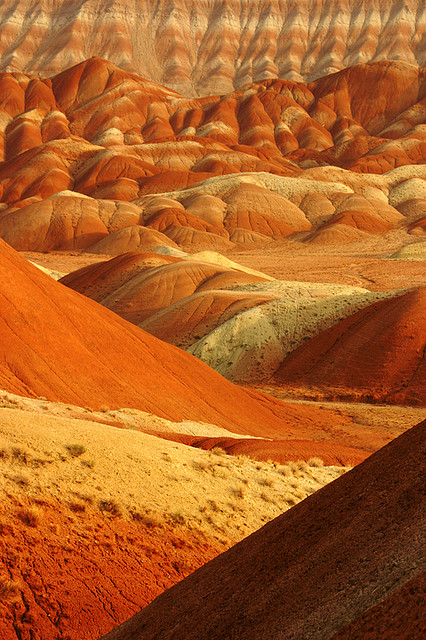
Other interesting photos on Iran: https://theotheriran.com/tag/photos/
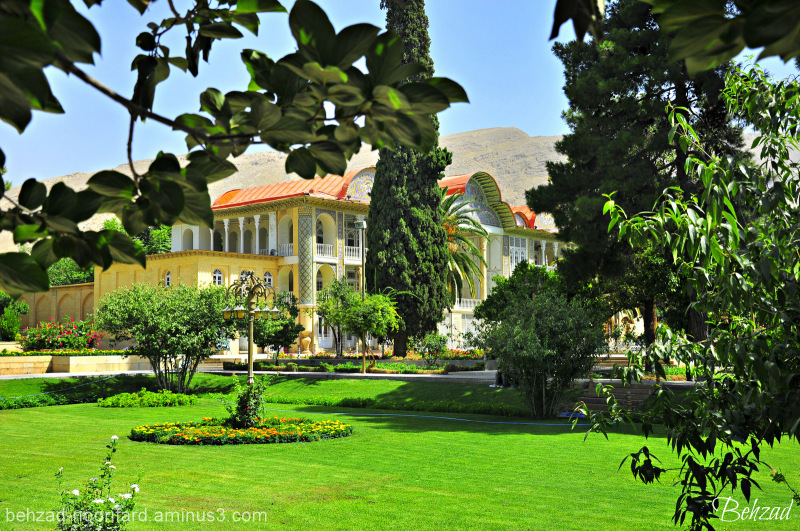
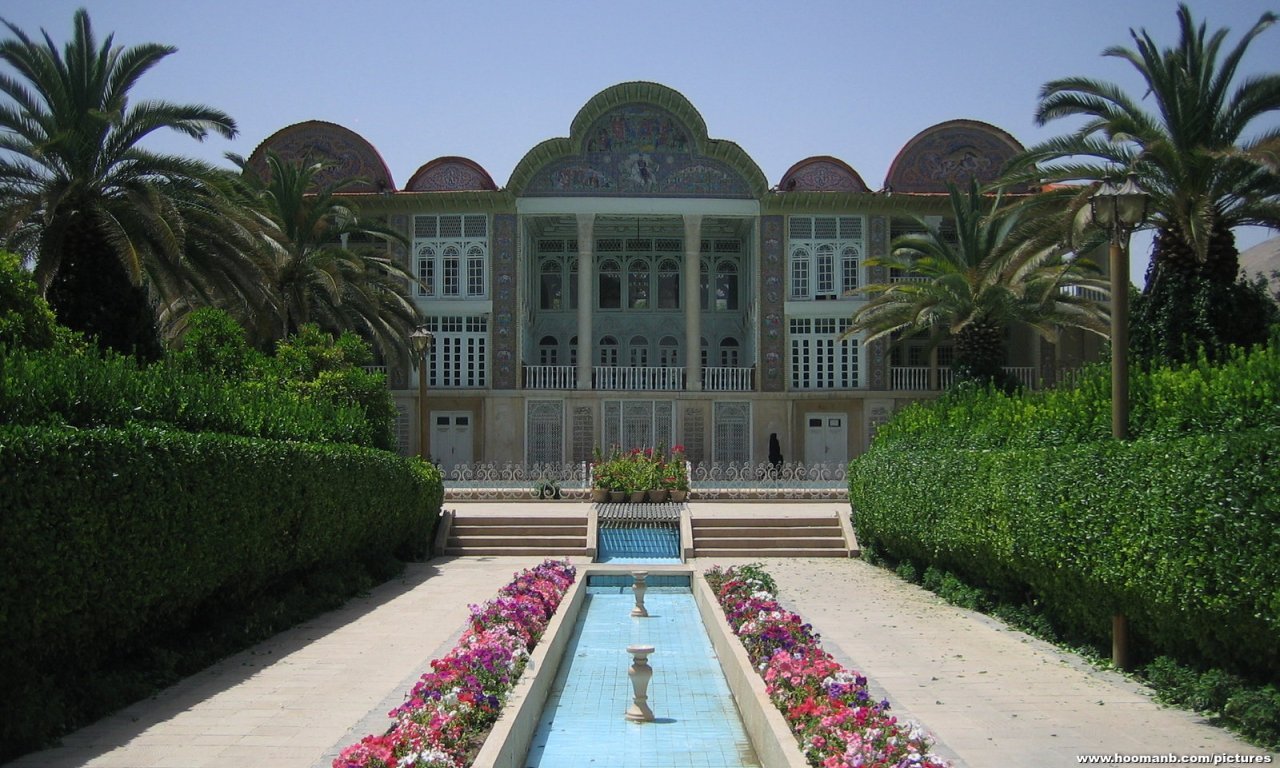
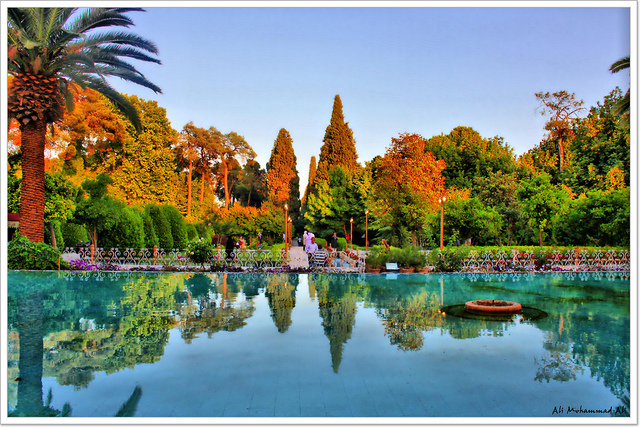
Today Eram Garden and Qavam House are within Shiraz Botanical Garden (established 1983) of Shiraz University. They are open to the public as a historic landscape garden and house museum. They are World Heritage Site, and protected by Iran’s Cultural Heritage Organization.
Source: Wikipedia | Eram Garden
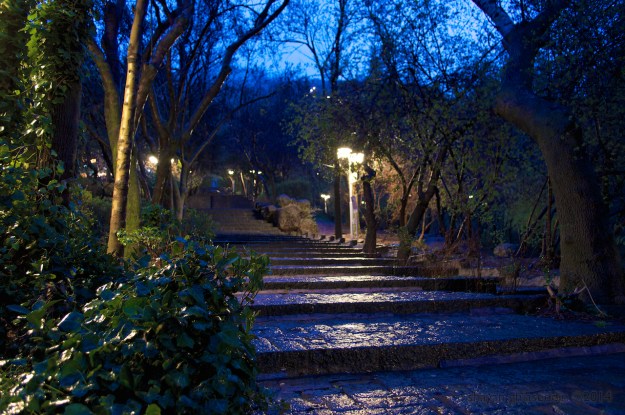 ISO 100 f/3.5 3s 18mm
Walking in the Jamshidieh park with my camera on tripod, I captured the blue reflection of the sky late in the sunset, right before the night. Now I understand blue strokes on pavement in Cafe Terrace at Night better…haha!

Other interesting photos from Iran: https://theotheriran.com/tag/photos/

Interior, Arg-é Bam (Bam Citadel), Bam, Kerman Province, southeastern Iran
The Arg-e Bam was the largest adobe building in the world. It was a lrge fortress/city in whose heart the citadel was located, but because of the impressive look of the citadel, which forms the highest point, the entire fortress is referred to as the Bam Citadel.
It is listed by UNESCO as part of the World Heritage Site
The origin of this massive citadel on the Silk Road can be traced beyondthe Achaemenid period (6th to 4th centuries BC). The heyday of the citadel was from the 7th to 11th centuries, when it lay at the crossroads of important trade routes and known for the production of silk and cotton garments.
On December 26, 2003, the Citadel was almost completely destroyed by an earthquake, along with much of the rest of Bam. It is currently being rebuilt.
Source: Photographs of Castles and Manor Houses around the world
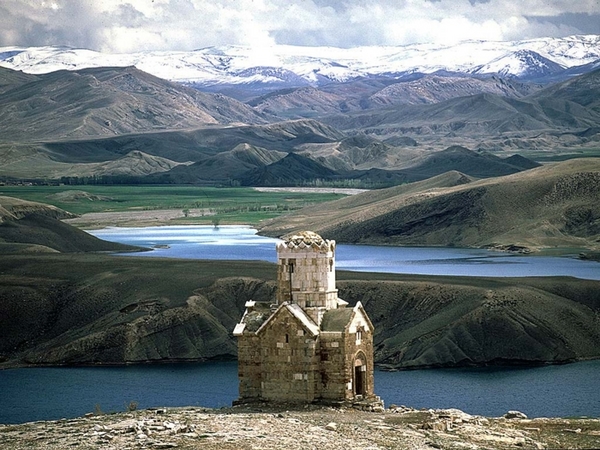
For interesting posts about Christians in Iran read this:
https://theotheriran.com/tag/christians/
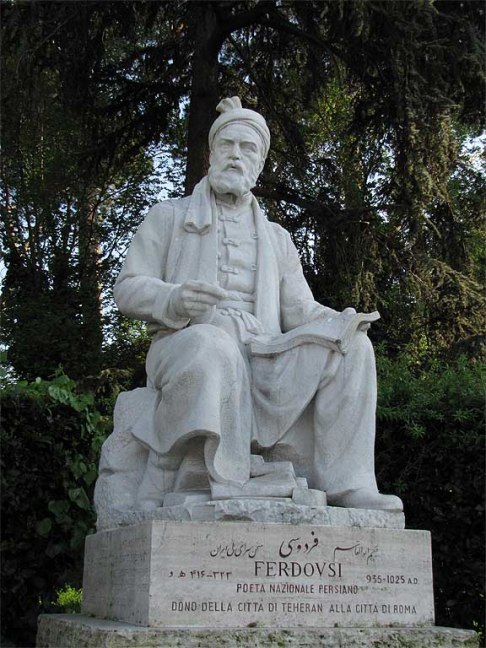
The statue of the world-renowned Persian epic poet Ferdowsi has been re-unveiled after a two-month restoration process in the Italian capital of Rome.
…
The statue was created in 1958 by Abolhassan Seddiqi, who had previously made statues of the 11th-century poet at Tehran’s Ferdowsi Square and the Ferdowsi tomb in the Iranian city of Tous.
Seddiqi has created statues of many great Iranian luminaries, some of which he created during the time he lived in Italy.
The Ferdowsi statue in Rome had been re-erected in one of the city’s squares named after the Persian poet, Piazzale Ferdowsi.
http://www.persianote.com/piazzale-ferdowsi-rome-italy/
More info on Ferdowsi:
Ferdowsi (940 – 1020 CE) was the highly revered Persian poet who authored the monumental Shahnameh – the Persian “Book of Kings” – which is the world’s longest epic poetry created by a single poet and the national epic of the Persian-speaking world.
http://en.wikipedia.org/wiki/Ferdowsi
The 9th RoboCup Iran Open competitions and symposium officially kicked off in Tehran on Wednesday. This event provides an environment to present and share scientific achievements in the areas of Artificial Intelligence (AI) and Robotics.
The competition hosts 388 teams from Iran, US, UK, France, Portugal, Italy, Germany, Sweden, The Netherlands, Brazil, Mexico, Japan, China, Thailand, India, Pakistan, UAE, Canada, Turkey, Colombia, Egypt and Indonesia.
Iran’s international robocup competition is among the top premier robotic competitions worldwide.


Source: Payvand | Photos: 9th International Robocup Competition Kicks Off In Tehran
Article on some of Iran’s RoboCup successes in the near past:
The other Iran | Iran’s impressive trackrecord in RoboCup
Nakhcheer or Chal-Nakhjir is a cave situated in Markazi Province of Iran. It is a limestone cave approximately 70 million years old. It was discovered in 1989 and registered as a national monument in 2001. Its interior is made of crystals, dolomite sediments, stalactites and stalagmites.


More fascinating pictures: Payvand News of Iran | Photos: Nakhcheer cave
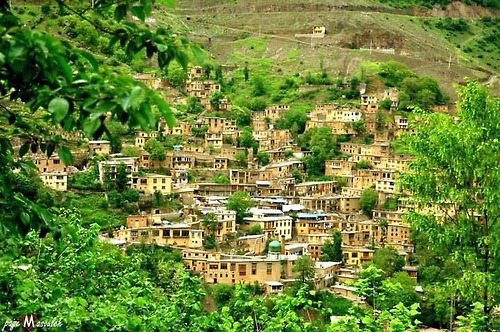
Masuleh – Village in northern Iran.
Masuleh’s architecture is unique. The buildings have been built into the mountain and are interconnected. Courtyards and roofs both serve as pedestrian areas similar to streets. Masuleh does not allow any motor vehicles to enter, due to its unique layout. It is the only city in Iran with such a prohibition.
 Read the blog and enjoy Silvia’s descriptions and pictures. Here are the links to the posts on Iran:
http://www.heartmybackpack.com/blog/backpacking-solo-through-iran/
http://www.heartmybackpack.com/blog/kafka-cigarettes-tehran/
http://www.heartmybackpack.com/blog/isfahan-iran/
If you are lazy just read some quotes here and go to the links to enjoy the pictures:
“I mean, Iran is home to one of the world’s oldest civilizations, hosts thirteen UNESCO World Heritage Sites, and boasts beautiful landscapes stretching from dense rain forests to snowcapped mountains to desert basins. Plus, so many travelers whom I met in Central Asia absolutely raved about Iran. The hospitable people, delicious food and historic sites – how could I not add Iran to my travel itinerary?”
“My first Couchsurfing hosts in Tehran, a young Ph.D. student and her roommate, said they were so excited to be hosting an American girl, and that they hope more tourists will start to come to Iran. They were incredibly warm and welcoming hosts, cooking delicious Persian food and asking me countless questions about Norway and the U.S. and foreigners’ impressions of Iran.”
“The thing is, I haven’t felt alone once since I landed in Iran. The receptionist at my first hotel took me in as her daughter, accompanying me to breakfast and lunch and suggesting sites for me to visit, my Couchsurfing hosts were like cool older sisters, chatting with me about religion and politics as well as the plot twists of Lost and J-Lo’s divorce (I’m so out of touch), and Rana truly has adopted me as her sister, with an invitation to lunch turning into a trip to visit Esfahan and then several days with her family in Tehran.”
“So far my experience in Iran has only been one of warmth and hospitality, and really, really amazing food! Though, in a few hours Rana and I are heading to Marivan, a small Kurdish city on the border to Iraq. So you know, maybe I’ll have some more eventful things to share from there! (Kidding, family, Kurdistan is of course totally safe.)”
“My stay in Tehran was far too short and left much of the city unexplored, but I did leave with an overwhelming crush on a city so full of life and passion. Shopkeepers greeted me with warmth (if also a degree of surprise), and the discussions I had with people there were always filled with genuine interest and reflection. ”
“While now a bustling modern city, Isfahan was once one of the largest cities in the world as it sat on a major intersection of the main north-south and east-west routes crossing Iran. We seemed to stumble on reminders of Isfahan’s past glory around every corner, from impressive squares and tree-lined boulevards to covered bridges, palaces and mosques.”
“Moreover, while Isfahan might be dominated by Islamic architecture, the city is also home to important Christian, Jewish and Zoroastrian sites. Rana and I visited the Church of Saint Joseph of Arimathea, built by an Armenian community that settled in Isfahan in the early 1600s.”
Ok if you read so far, just make sure to visit the links above
Earth Hour is a worldwide movement for the planet organized by the World Wide Fund for Nature (WWF). The event is held worldwide annually encouraging individuals, communities, households and businesses to turn off their non-essential lights for one hour, from 8:30 to 9:30 p.m. on the last Saturday in March, as a symbol for their commitment to the planet.


Source: Wikipedia
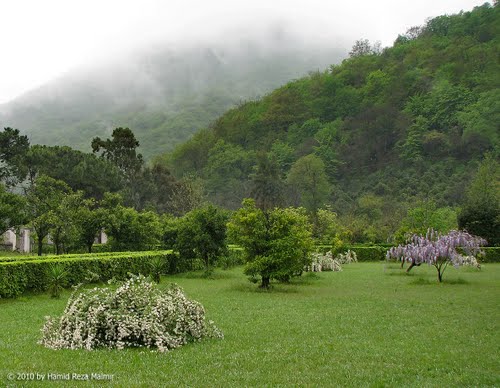
Ramsar, Iran
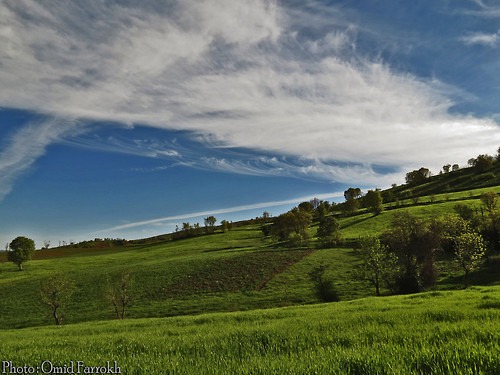
Sardasht in Iran’s Province Kurdistan

Abu reyhan Biruni,
(born 4/5 September 973 in Kath, Khwarezm,] died 13 December 1048 in Ghazni)was a Persian–Khwarezmian Muslim scholar and polymath from the Khwarezm region.Al-Biruni is regarded as one of the greatest scholars of the medieval Islamic era and was well versed in physics, mathematics, astronomy, and natural sciences
Umar Khayyam Nishaburi,
(18 May 1048 – 4 December 1131; Persian, was a Persian polymath, philosopher, mathematician, astronomer and poet. He also wrote treatises on mechanics, geography, mineralogy, music
Muhammad ibn Zakariyā Rāzī(Persian(854 CE – 925 CE), was a Persian,polymath, physician, alchemist and chemist, philosopher and important figure in the history of medicine and as the discoverer of alcohol and vitriol (sulfuric acid) is well known.[
Ref. Wikipedia
Vahid Shamsaei (born 21 September 1975 in Tehran, Iran) is an Iranian futsal player who is futsal’s top international goalscorer of all time. […] He is the leading goalscorer for the national team, the seven time Top Goalscorer of the Asian Futsal Championship.

On May 19, 2007 after scoring 1 goal against Japan in Iran’s 4–1 victory in the final of the 2007 AFC Futsal Championship, he scored his 316th national goal. He was officially the world’s Top Futsal Goalscorer with 14 goals ahead of Manoel Tobias of Brazil national futsal team, the previous holder of the title with 302 goals (as of May 19, 2007). […]
HONOURS
Country
* AFC Futsal Championship:
– Champion (8 times) in 2000, 2001, 2002, 2003, 2004, 2005, 2007 and 2008
– Third place (twice) in 2006 and 2012
* Asian Indoor Games: Champion in 2005
* Confederations Futsal Cup: Champion in 2009
* WAFF Futsal Championship: Champion in 2012
Club
* AFC Futsal Club Championship: Champion (twice) in 2010 with Foolad Mahan and in 2015 with Tasisat Daryaei
Individual
* Best player
– AFC Futsal Player of the Year (3 times) in 2007, 2008 and 2015
– MVP AFC Futsal Championship (5 times) in 1999, 2000, 2005, 2007 and 2008
– MVP AFC Futsal Club Championship (twice) in 2010 and 2015
– MVP Futsal Confederations Cup in 2009
Iran Football Federation Awards:
– International Special Award (2007–08) shared with Ali Daei
– Best futsal player of Iran (2007–08)
* Top Goalscorer
– World’s Top Futsal Goalscorer of All Time (with 390 goals)
– AFC Futsal Championship Top Goalscorer of All Time (with 183 goals)
– AFC Futsal Championship (8 times) in 2001 (with 31 goals), 2002 (26), 2003 (24), 2004 (33), 2005 (23), 2006 (16), 2008 (13) and in 2012 (with 7 goals and 6 assists)
– Asian Indoor Games 2005 (31)
– AFC Futsal Club Championship (twice) in 2010 (17) and in 2015 (10)
– WAFF Futsal Championship in 2012 (8 goals)
Ref: wikipedia.org
The Vanak neighborhood of central Tehran is home to a high concentration of Armenians; half of the approximately 80,000 Armenians in Iran live in Tehran, and most of those Tehrani Armenians live within Vanak and its orbit. […]
The Ararat Armenian Sports Club predates the Revolution and predates Reza Shah Pahlavi. […] The Sports Club is home to FC Ararat Tehran, a borderline-defunct soccer club that produced two heroes of Iranians, Armenians, and of course Armenian-Iranians. Andranik Eskandarian played for two years at Ararat before moving onto Taj (now Esteghlal due to yet another Revolution-necessitated makeover) as a stalwart defender. His national teams won the 1968, ‘72, and ‘76 and went to the country’s first World Cup in 1978. Andranik would later move to the United States to play for a legendary New York Cosmos side. A generation later, Andranik Teymourian would play youth ball for Ararat before moving on to Bolton in the English Premier League.
 One of the most iconic images from the 2006 World Cup
Someone like Teymourian can be a hero for Iranians of all religions without a hint of conflict.
The situation of Armenians (and other Christians) in Iran is of course far more normal than prevailing Western discourse may have an outside observer understand. Armenians have different treatment from most Iranians, with special privileges to consume pork, alcohol, and having Sundays off work that Muslims do not enjoy. But they are still effusively Iranian. Surp Khatch, for example, was built in part to memorialize the thousands of Armenian service members killed in the Iran-Iraq War. When Teymourian crosses himself before a match, his countrymen cheer this act as the mark of a pious Iranian. […]
Unfortunately, these days Ararat FC is far from its glory days. The team last competed in Iran’s top league in the 1995-1996 season.
All must read USA – Iran posts: The other Iran | Tag | USA


The game was an exceptionally fair game and both teams received the 1998 World Cup FIFA Fair Play Award “for the two countries’ good sportsmanship surrounding the World Cup match between their teams, despite their mutual political tensions for nearly 20 years.”
Below more photos from the match and the episode “Breaking Barriers: USA vs. Iran, 1998” from Fox Sports’ “Rise as One Series”:


Vigen, born Vigen Derderian (November 23, 1929 – October 26, 2003), known as “Sultan of Pop” and “Sultan of Persian jazz”, was an immensely popular Iranian pop music singer and actor, well known throughout the Near East.
Vigen’s innovative and upbeat style of music had a great influence on paving the way for a new genre of Iranian music, influenced by Western European and Latin American styles.
Among his notable songs are Chera nemiraghsi? (Why you are not dancing?), Mahtab (Moonlight), Lala’ee (Lullaby), and Zane Irooni take (Iranian woman is unique). Ref: Wikipedia
One of the finest examples of Iranian architecture in the neighborhood of Vanak is an Armenian chapel, Surp Khatch. Surp Khatch Chapel holds a peculiar significance within Armenian-Iranian life.


There are dozens of Armenian churches within Iran, mostly in Tehran and the western provinces. Vank in New Julfa deserves special recognition, of course, for its role as the heart of the Isfahani community, brought to Persia by Shah Abbas I in the 17th century.


The Prelacy – the bureaucratic head of the Armenian Church in Iran – makes its home in Saint Sarkis, a church that dates back to 1970.


Armenian-Iranian architecture, particularly Surp Khatch, fits comfortably within the Iranian modernist idiom. The situation of Armenians (and other Christians) in Iran is of course far more normal than prevailing Western discourse may have an outside observer understand. Armenians have different treatment from most Iranians, with special privileges to consume pork, alcohol, and having Sundays off that Muslims do not enjoy. But they are still effusively Iranian. Surp Khatch, for example, was built in part to memorialize the thousands of Armenian service members killed in the Iran-Iraq War. When Teymourian (popular Armenian Iranian football star) crosses himself before a match, his countrymen cheer this act as the mark of a pious Iranian.
The negotiating of political space for religious minorities in an explicitly Islamic Republic is an ongoing political issue that is going strong on its fourth decade. But political concerns hardly frame daily life; Armenians and other religious minorities in Iran generally name their primary concerns as drug use and a rapidly deteriorating economy. The communities’ problems aren’t necessarily their status as minorities, but the general problems that stem from being Iranian. Indeed, minorities in Iran are well-integrated not only socially and culturally but politically as well. There are five Armenians in Parliament (compared to four Assyrian and Chaldean Christians, three Jews, and two Zoroastrians in the 290-seat Majlis). There are also Armenian observers to the Expediency Council and the Guardian Council.
Visit this great blog to learn more about Armenians and Armenian Iranians in particular. The blog has lots of nice photos and posts.
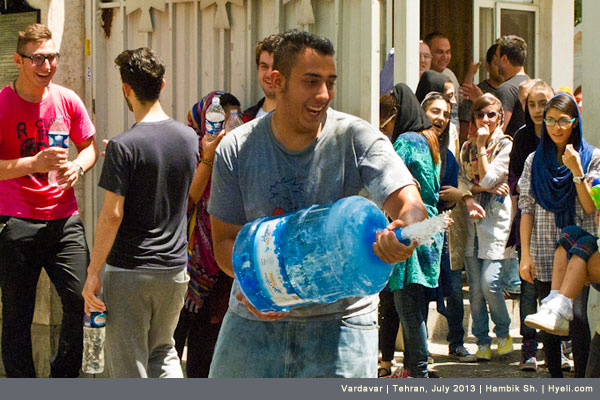
Vartavar (also known as Vardevar or Vardavar) is an Armenian festival, where people of all ages drench each other with water.
View original post 48 more words
Without any doubt, Roxanne Varza is not unknown for Iranian startup ecosystem. She was previously interviewed by various Iranian newspaper & blog. In addition, lately she has accepted being one of the key speakers of Startup Weekend Birjand in Iran. Here we try to have a glance at Iran startup ecosytem and its drawbacks with her.

…
Finally, what’s your thoughts and feelings about helping running your first Iranian stratup weekend event so far by being as a speaker?
I am THRILLED ! To be honest, I didn’t even know where Birjand was before I was told about the Startup Weekend event (shameful, I know). Actually, I really want to learn more about the Iranian ecosystem and help the Iranian entrepreneurs however I can. I grew up in the US but always had a very strong affinity for my Iranian origins and I wish I was able to spend more time learning about and discovering Iran. I feel that I finally have that opportunity, thanks to Startup Weekend Birjand and hopefully more events down the line.
…
Read more:
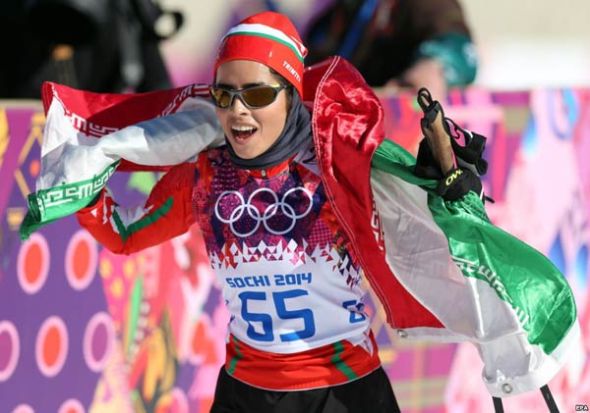
Farzaneh Rezasoltani, first female cross-country athlete from Iran at Sochi Winter Olympic Games (2014)
Farzaneh Rezasoltani, born on September 13, 1985, is a cross-country skier competing for Iran. She is the first Iranian female athlete to participate in an international cross-country competition (World Ski Championship at Val di Fiemme, Italy, 2013).
The 2014 Winter Olympics in Sochi is her second international competition. She crossed the finish line in 42:31:03, achieving the 73rd place. This is the first time Iran has sent a female athlete to participate in cross-country skiing competitions at the Olympic Games.
Information on her current competitions:
International Ski Federation | Biographies | Farzaneh Rezasoltani
Sources: Wikipedia | Farzaneh Rezasoltani, Iran Ski Federation | News

“Mother of Modern Iranian Astronomy”
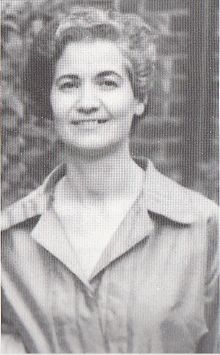
Alenush Terian was born in 1920 to an Armenian family in Tehran, Iran. After graduating in 1947 from the Science Department of the University of Tehran, she began her career in the physics laboratory of the same University. She was promoted the same year as the chief of laboratory operations.In france 1956 she obtained her doctorate in Atmospheric Physics from Sorbonne University.
Upon this she returned to Iran and became Assistant Professor in thermodynamics at University of Tehran. Later she worked in Solar Physics in the then West Germany for a period of four months through a scholarship that was awarded by the German government to University of Tehran. In 1964 Dr Terian became the first female Professor of Physics in Iran.
In 1966, Professor Terian became Member of the Geophysics Committee of University of Tehran. In 1969 she was elected chief of the Solar Physics studies at this university and began to work in the Solar Observatory of which she was one of the founders. Professor Terian retired in 1979. She proved to the world that not only being a women, but also being part of a both a ethnic and religious minority. You can succeed.
The Armenian scientist was honored during a birthday ceremony in the Iranian capital, to commemorate the 90th birthday of Iran’s first female astronomer, physics professor and founder of modern Iranian astronomy. Members of the Iranian Parliament and more than hundered Armenians paid tribute to the Armenian scientist.
“She always said she had a daughter named sun and a son named moon,” said lawmaker Hassan Ghafourifard, Terian’s former student at Tehran University. Alenoush Terian passed away in March 4, 2011 at the age of 90 years.
Source: armenianhighland.tumblr.com
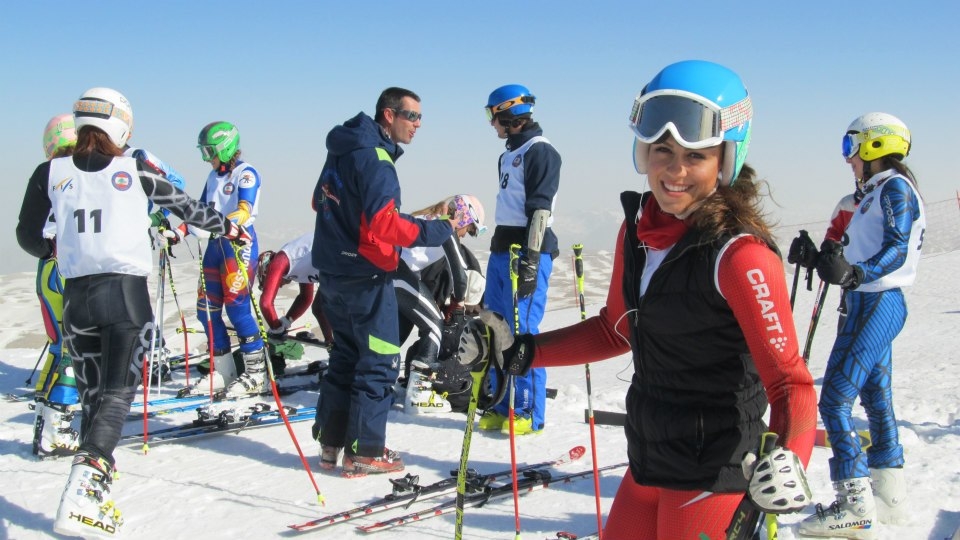
Forough Abbasi (born September 15, 1993 in Shiraz, Iran[1]) is an alpine skier from Iran.
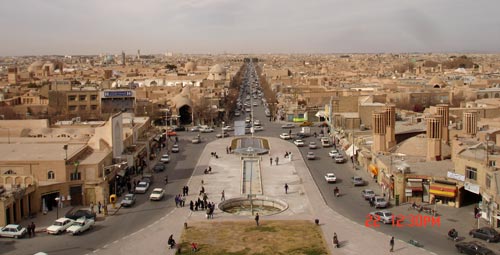
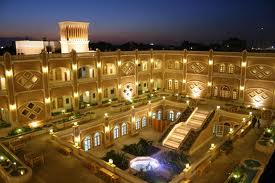
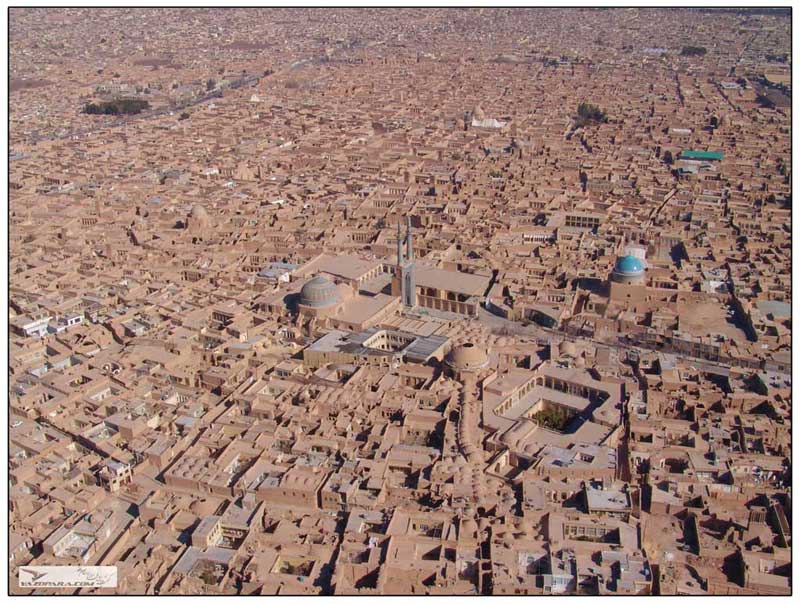
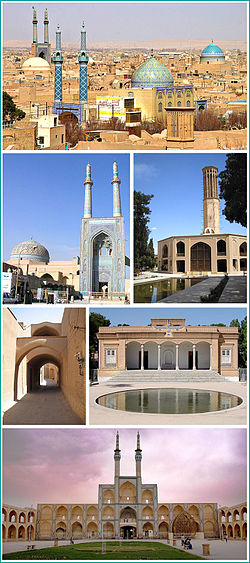
http://en.wikipedia.org/wiki/Yazd
“Yazd ( pronunciation (help·info) [jæzd]; Persian: یزد)[1] is the capital of Yazd Province, Iran, and a centre of Zoroastrian culture. The city is located 270 km (170 mi) southeast of Isfahan.”
…
“The city has a history of over 3,000 years, dating back to the time of the Median empire, when it was known as Ysatis (or Issatis)”
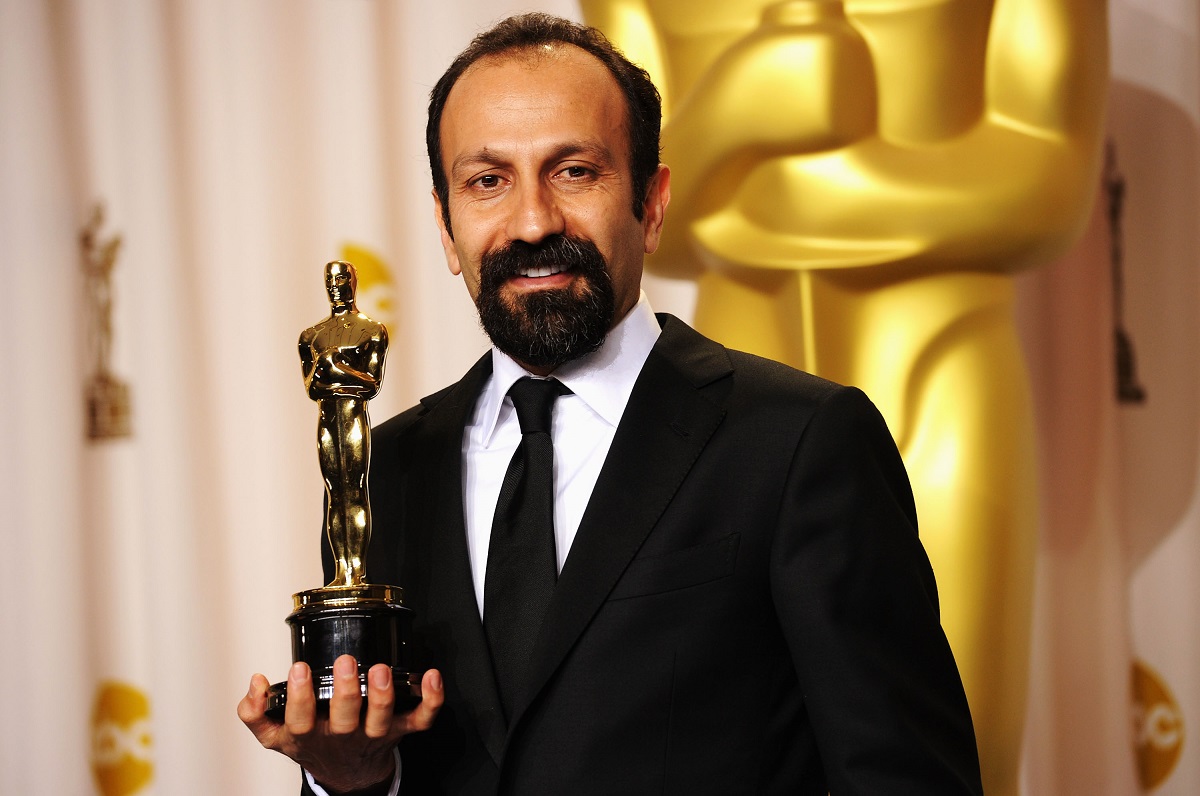
Asghar Farhadi receives the Oscar for “A Separation”
The culture minister of France presents the order to a person who has made significant contributions to the arts, literature, or the dissemination of these fields.
Farhadi made his latest film “The Past” in France. The French-language drama brought its star Bérénice Bejo the Palme d’Or for Best Actress at the Cannes Film Festival in 2013. He received the first EU MEDIA prize for “The Past” in 2012 when the film was in its preproduction stage.
His previous film “A Separation” won the Oscar for best foreign-language film at the Academy Awards in 2012. He previously received France’s César award for best foreign film for “A Separation”.
Source: Tehran Times
Spanish cartoonist David Vela Cervera won the Golden Tooba (Tree of Heaven) in the cartoon section at the 6th Fajr International Festival of Visual Arts.
Six Iranian artists received the Lifetime Achievement Award: Illustrator Gholamali Maktabi, graphic designer Ebrahim Haqiqi, miniaturist Mohammad-Baqer Aqamiri, cartoonist Javad Alizadeh, sculptor Taher Sheikholhokamaii and painter Iraj Eskandari.
David Vela Cervera was born in 1967 in Zaragoza, Spain. He graduated at the University of Zaragoza, with the degree of Doctor in Spanish Philology specializing in the graphic illustration of the first third of the 20th century. He is working as a freelance artist concentrated mainly to illustrations and creations of cartoons. David Vela participated at many international cartoon competitions winning won various prizes and mentions.


Source: Payvand Iran News, Cartoon Gallery | David Vela, jamaran.ir
The Statues of Tehran, a documentary by director Bahman Kiarostami, will be showing at Roxie Theatre in San Francisco on Tuesday, February 25.
Kiarostami’s materful film explores how a revolution and autocratic regime attempt to redefine public space, national symbols and monuments, but more interestingly, it also engages with the experience of artists negotiating with official bodies, public commission, popular aspirations, official discourse and creative freedom.
“Docunights” are hosted by National Iranian American Council (NIAC)‘s Arts & Culture Executive Team Chairman, Ahmad Kiarostami
Tuesday, February 25, 7:00 pm
Roxie Theatre
3117 16th Street, San Francisco
The Statues of Tehran – Iran, 2008, 60 min, Persian with English subtitles
http://www.payvand.com/news/14/feb/1155.html
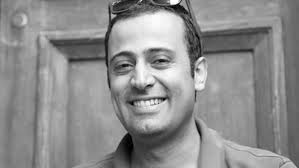
Bahman Kiarostami (Persian: بهمن کیارستمی) (b. 11 August 1978- in Tehran) is an Iranian film director, cinematographer, film editor, film producer and translator, son of the critically acclaimed Abbas Kiarostami.
In 1996 he made his first film ” Morteza Momayez: Father of Iranian Contemporary Graphic Design”.
The main theme in Bahman Kiarostami’s films is “art and music”.




 The other Iran