Here some beautiful pictures of this year’s rice harvest in the Iranian Province of Gilan. (Click on an image to start the photo gallery):

Rice harvest in Gilan Province, Iran


Source: IRNA | Photos
Here some beautiful pictures of this year’s rice harvest in the Iranian Province of Gilan. (Click on an image to start the photo gallery):
Source: IRNA | Photos

Photo Highlights of Iran: from Persian Architecture to Outstanding Hospitality
By Nellie Huang
I’ve just completed my Silk Road journey through Central Asia with Oasis Overland. Our trip started in Kyrgyzstan and we traveled through Kazakhstan, Uzbekistan, Turkmenistan, Iran and ended in Turkey. During this overland trip, we spent just under three weeks traversing through Iran, from the eastern corner to the western edge. It was the highlight of our trip and I hope these photos will show you what an amazing country it is.
Mention Iran and many think of burkha-clad women, burning flags and war. But these stereotypes can’t be further from the truth.
For those who are curious and open to new discoveries, Iran is packed full of surprises. It is a relatively safe country to visit and there’s so much to see and do in terms of historical and cultural sights: wander through the thousand-year-old ancient city of Persepolis, get lost in the mud-brick alleys of Yazd, contemplate in the beautiful turquoise-domed mosques that dot Esfahan, meet locals in the gardens surrounding Shiraz and pray with thousands of pilgrims at the country’s holiest city Mashad. The Islamic Republic has an extremely rich cultural heritage and its attractions can definitely rival those of world-famous tourist destinations. Best of all, you won’t find hordes of tourists here. It won’t take you long to question how such a charming country can be portrayed in such a negative light by the media.
Beyond the stereotypes is a country desperate to been seen for what it is, rather than what it is depicted to be. The Iranians are undoubtedly the friendliest people I’ve ever met in the world. Travelers will often find themselves getting invited to stranger’s homes, being treated to endless flow of tea from a shop vendor and getting a free ride from helpful drivers along the way. Locals tend to come up to you, ask where you’re from and genuinely want to get to know you. I’ve always agreed with the saying “it’s the people that makes a place”. It can’t be more true here in Iran where experiences with locals truly live the longest in your memory.
While traveling in Iran, the two topics that most find impossible to escape are religion and politics. These are complex issues that aren’t black or white, but as I discovered, if you’re respectful of their opinions, the Iranians will be more than happy to discuss them with you. It’s also important to note that the government’s views may not be in line with what average Iranians think. Regardless, if you do choose to travel here, a journey to Iran will certainly change your perspective of the country, and perhaps, the world.
Natural Landscapes and Ancient Cities
The abandoned mud brick city of Kharanaq: In the abandoned mud-brick city of Kharanaq, we got lost amidst the alleys and crumbling paths that overlooked this beautiful valley.

The rock cut temples of Naqsh-e-Rostam: Right at the outskirts of Shiraz, we stumbled upon the spectacular rock tomb of Naqsh-e-Rostam. The ragged cliffs that the tombs are carved into remind me of those in Wadi Rum, Jordan.

Persian Architecture
Amir Chakhmagh: Amir Chakhmagh in is an iconic landmark in Yazd and while it’s now nothing more than a gate (the rest of the building is gone), the unique architecture still makes it quite an impressive sight.

Royal Palace in Shiraz: The interior of Persian buildings is often just as impressive. This photo shows the interior of the Royal Palace in Shiraz, characterized by arches, spiraled columns and carvings.

Iranian Way of Life
Colorful spices in the bazaar of Shiraz: Bazaars are an important part of Iranian life. They trace their roots back to the Silk Road days and even until today, Iranians are still known to be excellent traders and businessmen. Spices are of course a common sight in the bazaars.

Friendly students in Tehran: The Iranians are exceptionally warm and friendly, with many people stopping to strike up a conversation with us seeing that we’re foreigners. I met this bunch of students at the Golestan Palace in Tehran and they were all excited to practice their English with me.

More pictures of Nelly’s Journey:
http://www.wildjunket.com/2014/10/22/photo-highlights-iran/
About Nellie Huang: Nellie is a professional travel writer and editor with an eye for adventure and a love for the unknown. Originally from Singapore, she pursued an Engineering degree and spent her days dreaming of travel – the day after graduation, she packed her bags and headed off to experience the world.
She then spent the next few years working as a teacher, translator and project analyst. With sheer will and hard work, she eventually found her way into travel writing and fulfilled her lifetime dream.
Her work has since been published in numerous publications including National Geographic Intelligent Travel, CNN, BBC Travel, Travel+Leisure Asia, Wend, Women Adventure Magazine, Food&Travel, International Lifestyle, TNT Magazine, and Explorer, amongst others. Click to see her portfolio.
She is also a contributing guidebook author of VIVA Travel Guide Guatemala (1st Edition) and writer for World Travel Guides.
The medieval Rudkhan Castle (Ghale Roodkhan) is located 25km southwest of the city of Fooman in Iran’s Gilan Province in the heart of the forest. Made from brick and stone, the castle covers 50,000 square meters and is 900 meters above sea level. Its architects have benefited from natural mountainous features in the construction of the fort. It is built on two tips of a mount with a total of 65 towers surrounding it, while the walls run 1,500 meters in length. 42 towers still stand intact. It is a military complex which had been constructed during the Seljuk Dynasty by followers of the Ismaili sect. The castle sits at the two peaks of a mountain at elevations of 715meters and 670meters, with an area of 2.6 hectares (6.4 acres). The Rudkhan Castle River originates in the surrounding heights and flows from south to north. It takes around two hours to cross a mountainous winding route with dense forests. To reach this castle people walk a three kilometer distance on foot, then climb around 2,000 steps. The first thing that one notices about the castle is its big entrance gate.


Sources: Wikipedia | Rudkhan Castle, Wikimedia Commons’ media related to Rudkhan Castle, wiseitinerary.blogspot.de, Mehr News Agency | Photos, Press TV
Sabzevar is a city of 200.000 inhabitants in Razavi Khorasan Province in northeastern Iran. It is the commercial center for an agricultural region producing grapes and raisins. There is some small-scale industry, for food processing, cooperware and electric motors. Through the old bazaar of Sabzevar fresh, dried, and preserved fruits and vegetables are exported.


In ancient times it was called Beihagh (Beyhaq). The history of Sabzevar goes back to the 1st millennium BC. Ancient remains include fire-temple ‘Azar Barzin’ which is still visible. Mil-e Khosrow Gerd (meaning “The brick tower of king Khosrau) is the highest brick tower in the city. This ancient brick tower dates back to 6th century and was part of city that no longer exists. This brick tower served as a travel guide for caravans traveling from Nishapur to Rey. Near Sabzevar are also remainings of yakhchals (ice houses or ice pits).


Sources: Wikipedia | Sabzevar, adayinlife.org, Mehr News
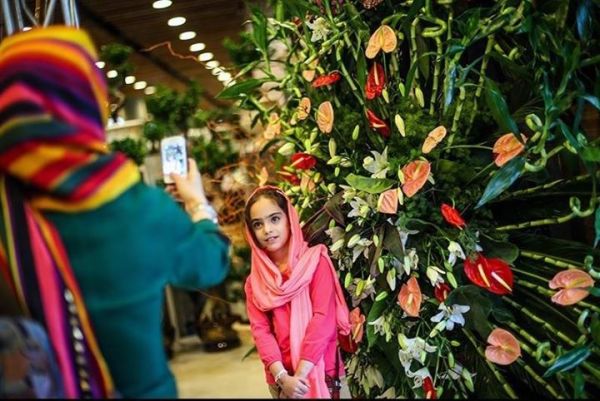
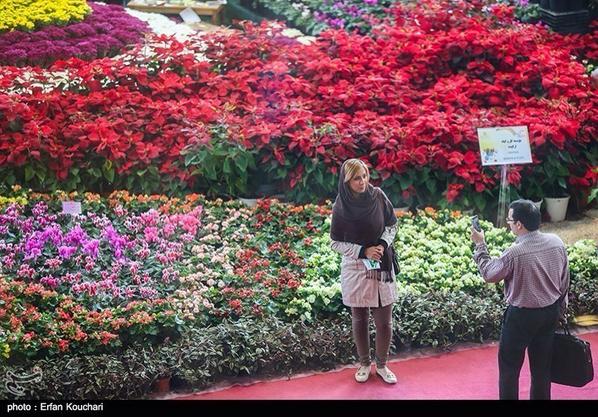
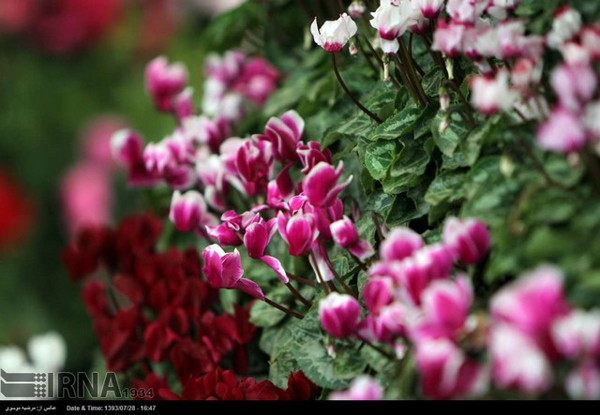
The 6th Seasonal Flower and Plant Exhibition and Autumn Flower Festival took place in the Iranian capital, Tehran.
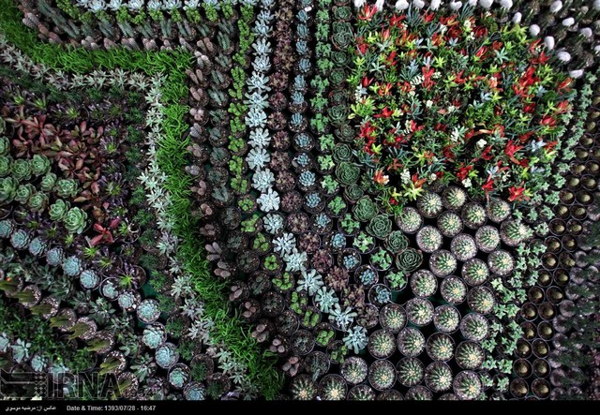
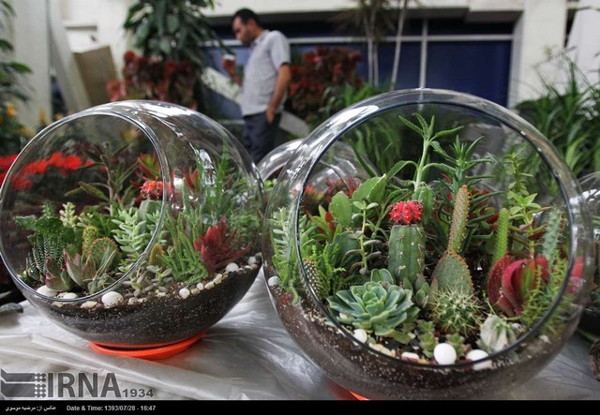
Domestic exhibitors from across the country have showcased cut flowers, houseplants, outdoor plants and horticultural equipment and related industries. Flower lovers have flocked to the exhibition to revive their spirits after a long day work. Vast arrays of flowers in different colors have turned the expo into a flamboyant painting, catching the eye of every visitor.
According to the organizer of the event, over 200 national flower and plant growers are taking part in the exhibition. Sunflowers, lilies, and lilacs were among the numerous flower species presented in the show. According to the head of municipality parks and green spaces, the exhibition is aimed to make people more familiar with different flowers, and to encourage them to take better care of Mother Nature. Diverse climatic conditions in Iran have turned the country into one the largest producers of flowers in the world. Iran ranks 17th in terms of the area under cultivation of ornamental flowers.


Sources:
PressTV – http://www.presstv.ir/detail/2014/10/24/383464/flower-show-plant/
Iran Front Page – http://iranfrontpage.com/news/society/environment/2014/10/tehran-plays-host-seasonal-flower-show/
The International Federation of Library Associations (IFLA) Public Libraries Section together with the IFLA Library Buildings and Equipment Section launched in Lyon at the IFLA World Library and Information Congress a project called 1001 libraries to see before you die.
This online initiative aims to bring together best practice examples of public library buildings and spaces from around the world. The libraries can be nominated for different criteria – the library building, the location, the innovative programs or the community engagement.
Currently the list is holding two Iranian libraries: the Astan Quds Razavi Library in Mashhad and the Bazar Library in Tehran.
Mashhad’s Astan Quds Razavi Library has been selected by the Open Education Database (OEDB) among the 20 Libraries that have changed the world in 2012 and three of the collections preserved in the central library are registered in the list of the UNESCO World Cultural Heritage List.
Tehran’s Bazar Library was chosen for its historical building which belonged to a relative of Naseruddin Shah dating back to 150 years.
More information: https://1001libraries.wordpress.com/category/iran/


Boroujerdi’s House in Kashan, Iran
The Boroujerdi House (in Persian: Khaneh-ye Boroujerdi-ha) is a historic house in Kashan, Esfahan Province, Iran that is nowadays open to the public as a museum.
It was built in 1857 for the bride of Haji Mehdi Boroujerdi, a welthy merchant, by architect Ustad Ali Maryam. The bride came from the affluent Tabatabaei family, for whom Ali Maryam had built the Tabatabaei House some years earlier and the condition set for the marriage was the construction of a house as beautiful as the Tabatabaei House.
Considered a true masterpiece of Persian traditional residential architecture, it took eighteen years to build using 25 workers, painters and architects.
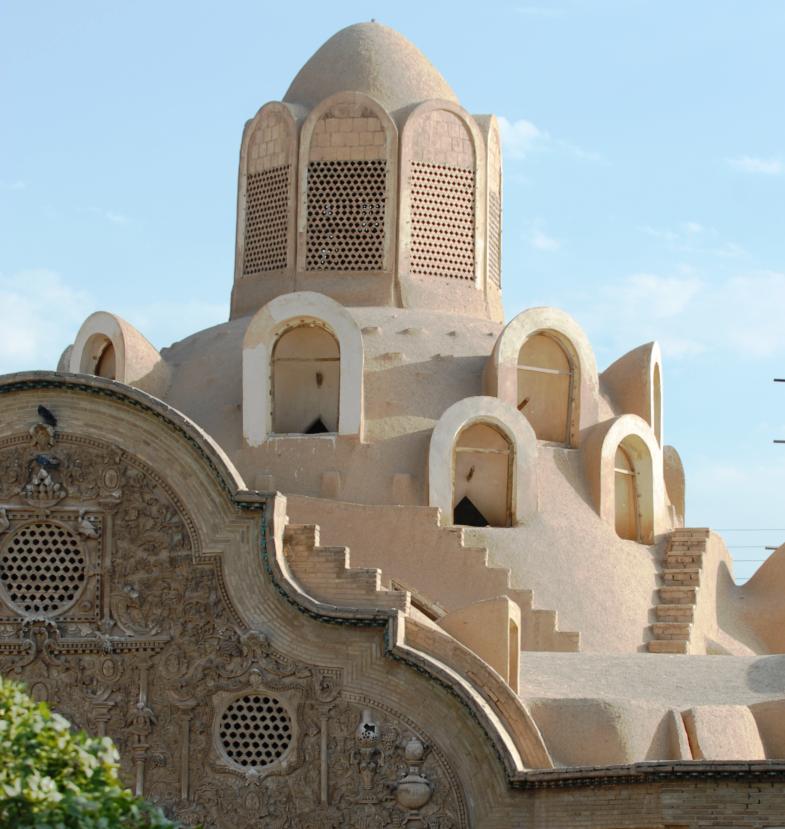
Wind towers of the Boroujerdi’s House in Kashan, Iran
The House, famous for its atypical shaped wind towers made of stone, brick, sun baked bricks and a composition of clay, straw and mortar, has three entrances and consists of a rectangular beautiful courtyard, delightful plaster and stucco works of fruits and flowers and wall paintings by the royal painter Kamal-ol-Molk and three 40 meter tall wind towers which help to cool the house to unusually cool temperatures.
The entrance to the building is in the form of an octagonal vestibule with multilateral skylights in the ceiling. Near the entrance is a five-door chamber with intricate plasterwork. Following a narrow corridor, a vast rectangular courtyard opens up. The courtyard has a pool and is flanked by trees and flowerbeds. Also in the vicinity of the corridor is a reception area sandwiched in between two rooms. Due to the high amount of sunlight these two rooms receive, they were mostly utilized during the winter months.
In the east and northeast area of the property lie the kitchen, rooms and stairways to the basement. The wind towers allowed for the basements to consistently benefit from a flow of cool air. On the southern side is a large covered hall adorned with many reliefs, artistic carvings and meshed windows which was the main area for various celebrations. It consists of a raised platform on its far side and would normally be reserved for the more important guests.
Source: Historical Iranian sites and people | Boroujerdi House
Somewhere not far from the border between Iran and Turkmenistan there is a huge and unbelievably beautiful valley called Shamkhal. The name comes from a village near that. It is located in west northern of Quchan. It is about 18 km long; going through many springs and falls within rocky walls which in some parts are 200 meters high.


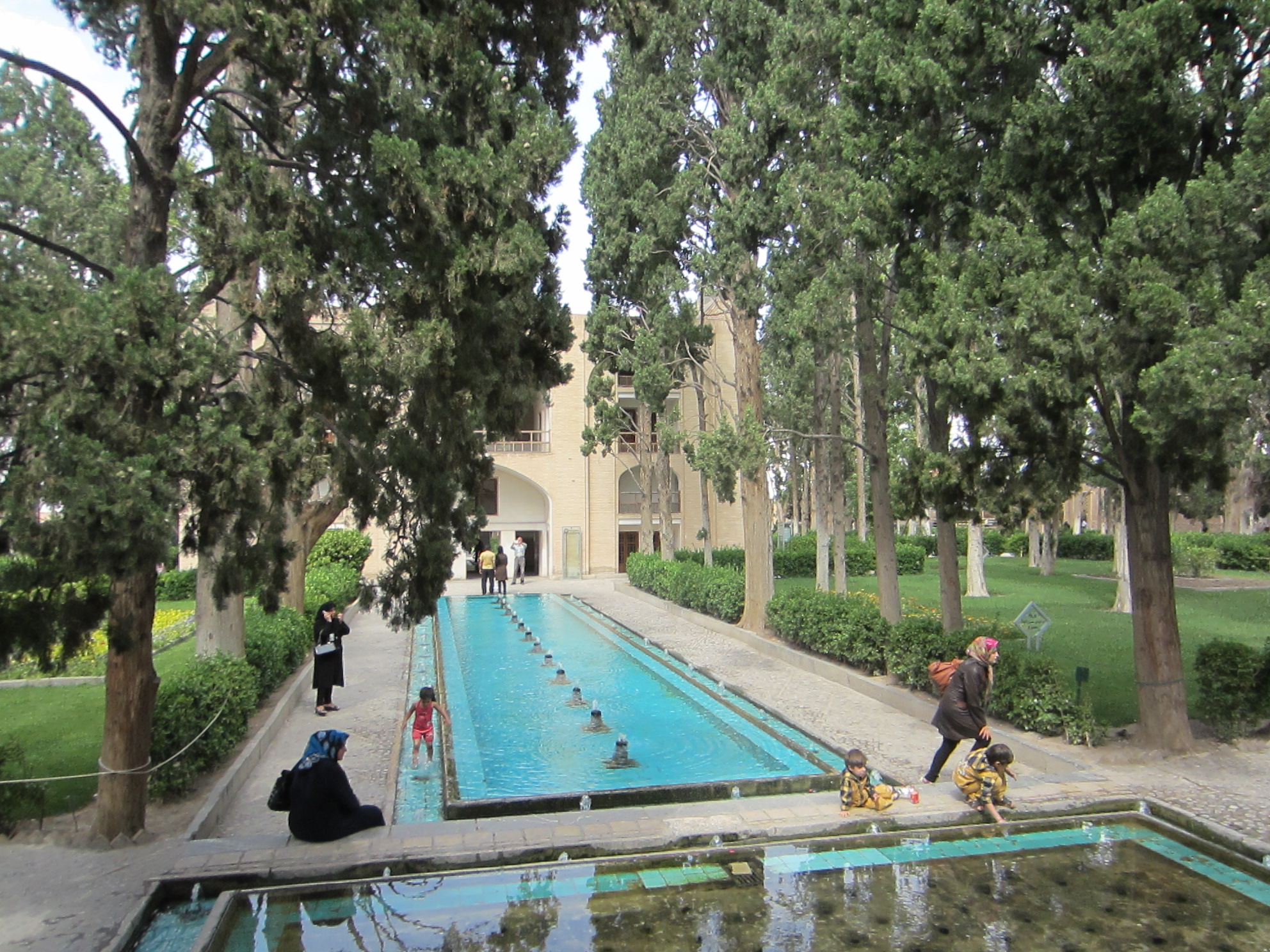
Fin Garden in Kashan, Esfahan Province
The tradition and style in the design of Persian Gardens has influenced the design of gardens from Andalusia to India and beyond.
Fin Garden, or Bagh-e Fin, located in Kashan, Iran, is a historical Persian garden. It contains Kashan’s Fin Bath, where the reformist Qajarid chancellor, Amir Kabir, was murdered by an assassin sent by King Nasereddin Shah in 1852. Completed in 1590, the Fin Garden is the oldest extant garden in Iran. Unesco declared the garden a World Heritage Site.
The origins of the garden may be anterior to the Safavid period but the settlements of the garden in its present form were built under the reign of Abbas I of Persia (1571-1629), as a traditional bagh near the village of Fin, located a few miles southwest of Kashan.
The garden covers 2.3 hectares with a main yard surrounded by ramparts with four circular towers. In keeping with many of the Persian gardens of this era, the Fin Garden employs many water features.
These were fed from a spring on a hillside behind the garden, and the water pressure was such that a large number of circulating pools and fountains could be constructed without the need for mechanical pumps.
The garden contains numerous cypress trees and combines architectural features of the Safavid, Zandiyeh and Qajar periods.
Source: Wikipedia | Fin Garden, Wikipedia | Persian Gardens
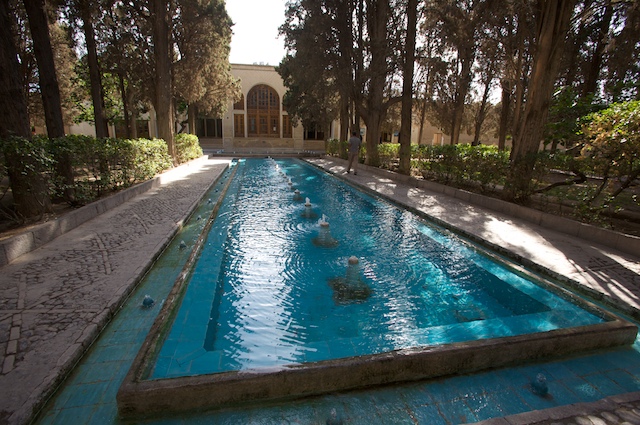
Fin Garden (or Bagh-e Fin) in Kashan, Esfahan Province
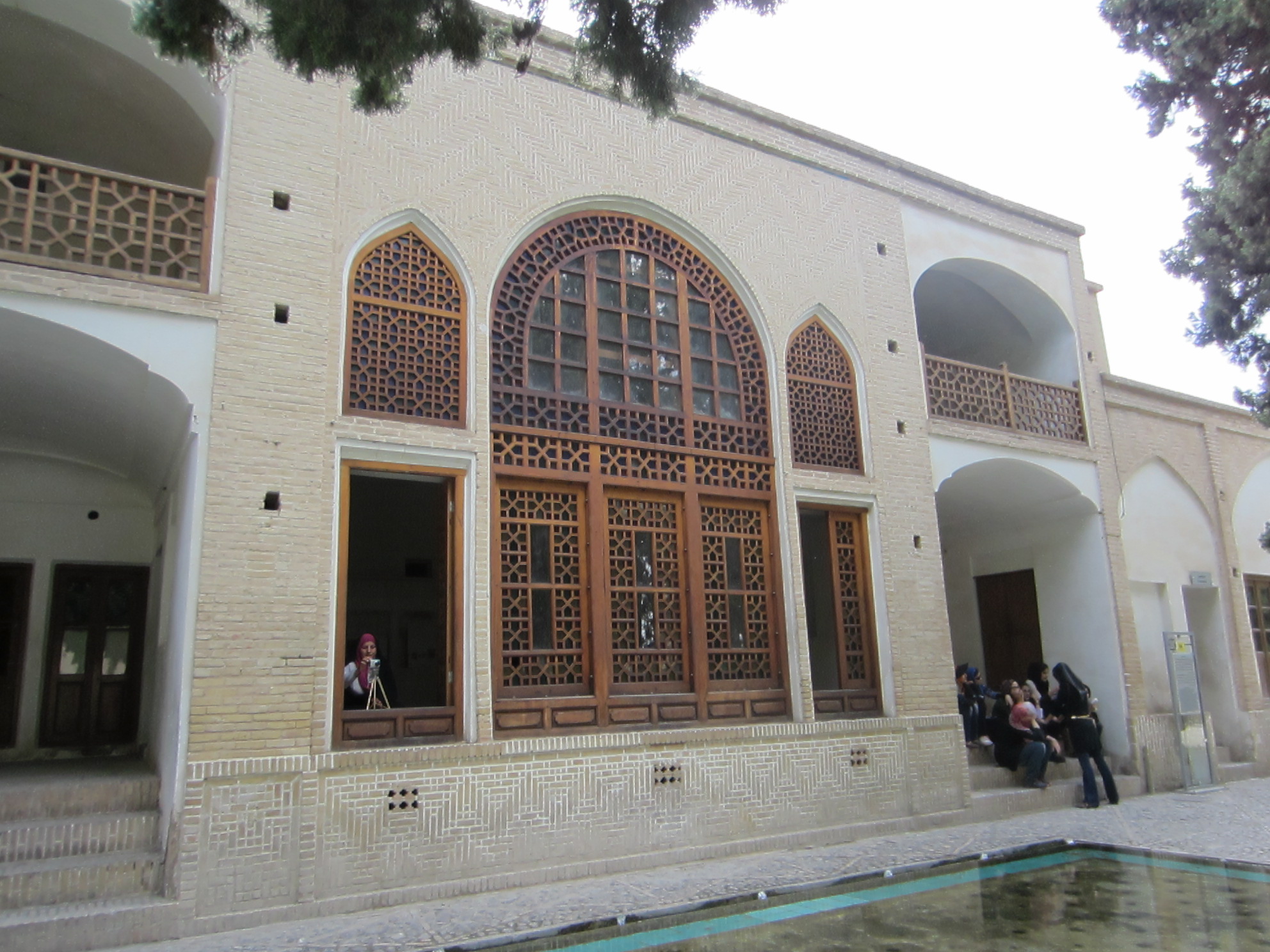
Fin Garden in Kashan, Esfahan Province

The world-renowned musician ensemble, Shahnaz, started its music tour at the Malmo Arena in Sweden on September 27.
Composer and tar virtuoso Majid Derakhshani, kamancheh virtuoso Saeed Farajpouri and several other musicians are accompanying Shajarian on this tour.
Shajarian is known as Iran’s contemporary traditional music legendary who has invented new string instruments dubbed Bam Sorahi, Saghar and Kereshmeh, designed for traditional Persian music.
The maestro, Shajarian, was honored with UNESCO’s Mozart Medal in 2006 and the 1999 prestigious Golden Picasso Medal.
http://iranfrontpage.com/news/cultures/music/2014/10/shahnaz-music-ensemble-go-stage-germany/


The largest planetarium in the Middle East, Dome of Mina, was inaugurated on Monday October 6th.

The planetarium, which is located at Abbasabad neighborhood of Tehran, is designed as a sphere showing all stars, planets and other celestial bodies for entertainment and educational purposes, IRNA reported.


A number of Iran’s leading music artists and cineastes attended the opening gala held on Oct. 9. […] Tjeknavorian was also honored with the lifetime achievement award during the gala.
Tjeknavorian has made nearly 100 recordings and written more than 75 compositions, including symphonies, operas, requiems, chamber music, ballet music, concertos, choral works and an oratorio.
He has conducted international orchestras throughout the world in numerous countries including Austria, the UK, the US, Canada, Hungary, Finland, the former USSR, Armenia, Thailand, Hong Kong, South Africa, and Denmark. […] The literary opera, Rostam and Sohrab and the requiem Departed and the Survived are among his best-known works.
Tjeknavorian has received numerous international awards such as Austria’s Cross of Honor for Science and Art First Class.
Video: Face to Face – Iran music maestro Loris Tjeknavorian talks to PressTV (1 and 2)
Rayen Castle (in Persian Arg-e Rayen) is an adobe castle in Kerman Province, Iran. The medieval mudbrick city of Rayen is similar to the Arg-e Bam city which was destroyed in an earthquake in December 2003. Rayen displays all the architectural elements of a deserted citadel. It is extremely well preserved, despite numerous natural disasters that have destroyed similar structures nearby, and it is one of the most interesting sites in Iran.
Rayen Castle was inhabited until 150 years ago and, although believed to be at least 1,000 years old, may in fact have foundations from the pre-Islamic Sassanid era.
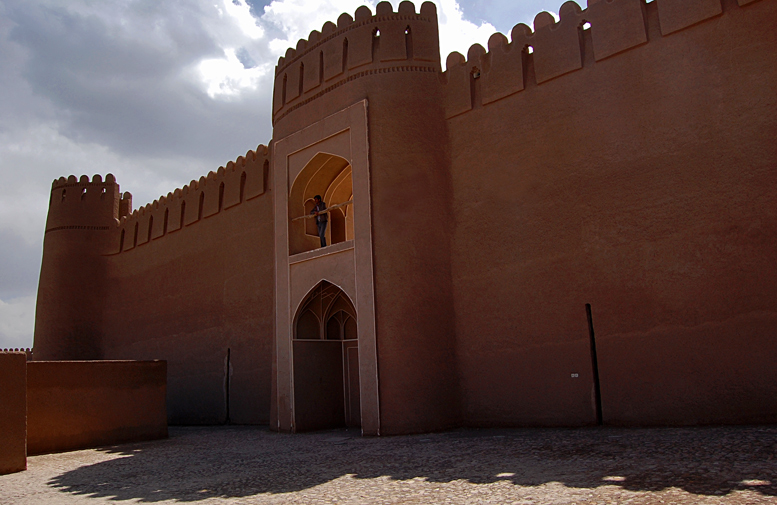
Adobe castle of Rayen Rayen Kerman Iran – Arg-e-Rayensh
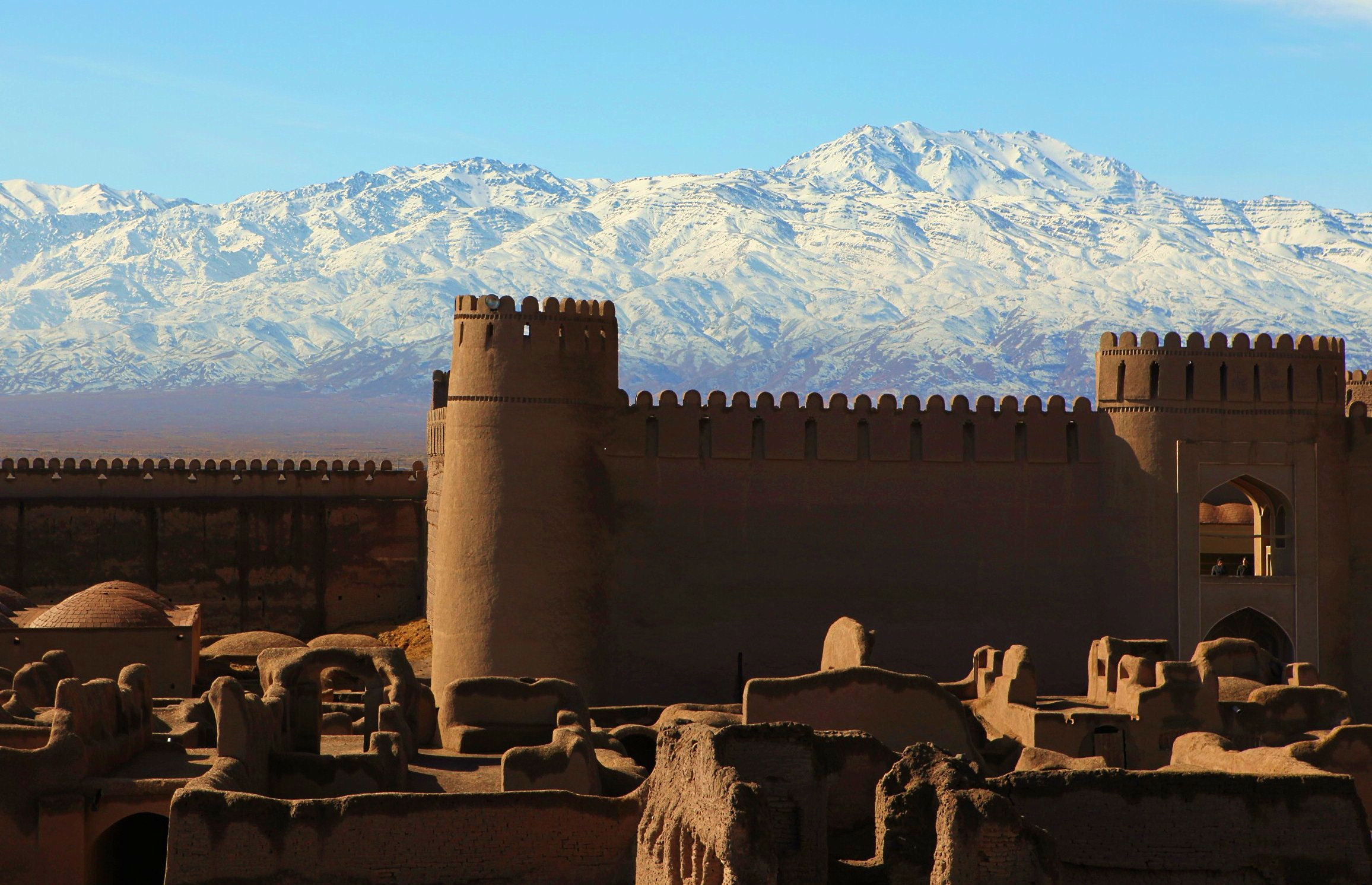
Adobe castle of Rayen, Kerman, Iran
Source: Wikipedia | Rayen Castle
Also check this related post: The other Iran | Arg-é Bam
The group was composed of 65 tourists from Australia, France, Germany, Britain and Austria.
[…]
The tourists arrived in Iran on Oct 5 and after visiting Tehran, Yazd, Isfahan, Shiraz and Zanjan will leave for Turkey via Razi border.
[…]
Read more about the new “Orient Express” between Hungary and Iran:
https://theotheriran.com/2014/09/02/five-star-orient-express-to-link-hungary-and-iran/
Photos from their trip to the ruins of Persepolis (Persia’s capital 550-330 before Christ):

Persepolis was the ceremonial capital of the Achaemenid Empire (ca. 550–330 BC)

Tomb of Cyrus the Great (559–530 BC)

Read more about travelers in Iran: https://theotheriran.com/tag/foreigners-in-iran/
Nature photos from Iran: https://theotheriran.com/tag/nature/

Iran’s Mahak secured an Achievement Award from the International Project Management Association.
 The IPMA, a non-governmental organization headquartered in Amsterdam, handed out its 2014 Achievement Award to Iran’s Mahak, the Society to Support Children Suffering from Cancer, Khabaronline news website reported.
Mahak was the only finalist in the category of internationally funded humanitarian aid project for its two-year operational and developmental project between March 21, 2012 and March 21, 2014.
At the Award Gala, on September 30 in Rotterdam, the Netherlands, the Iranian charity, which has been active for 23 years and says to have provided care for over 21,000 children suffering from cancer so far, walked away with the award.
Source Iran Front Page: http://iranfrontpage.com/news/society/healthcare/2014/10/mahak-iranian-charity-received-achievement-award-ipma/
Another article about Mahak:
https://theotheriran.com/2013/11/08/iranian-charity-provides-medical-care-to-refugee-children/
 Iran’s social drama Hush! “Girls Don’t Scream” by Pouran Derakhshandeh has swept several main awards at the 7th Annual Iranian Film Festival in San Francisco.
The film took Best Film, Best Director, Best Actress and Best Screenplay awards of the year’s event.
Leading Iranian director Derakhshandeh was also paid tribute during a ceremony held at the event.
The film tells the story of abused children and ignorant families who do not make enough time in their day to listen and solve their children’s issue.
Sponsored by Iran’s Farabi Cinematic Foundation, the film won Best Film Award at the 2012 Fajr International Film Festival.
The movie competed at the 2014 edition of Irvine International Film Festival (IIFF) in the United States.
Derakhshandeh’s drama received a great attention from the movie goers in Canada and the United States. The film also garnered the Best Feature length Award of the fourth edition of London Iranian film festival.
Oscar Academy had earlier requested a copy of screen script of the movie during a letter signed by the center’s Script Librarian Gregory Walsh.
The 2014 San Francisco Iranian Film Festival also honored the Iranian actor Faramarz Qaribian with the Best Actor award for his role in Sinners.

The provincial environment department in the southeastern Iranian province of Sistan and Baluchestan has launched a wildlife ambulance service.
On September 17, Iran newspaper quoted Saeed Mahmoudi, the head of the environment department as saying that the move is primarily designed to save protected species such as bears, cheetahs, foxes, etc. that are injured in road accidents.
In parallel, a messaging service has been launched to allow residents to easily report accidents to authorities, he said.
Source Iran Front Page:
http://iranfrontpage.com/news/society/environment/2014/09/wildlife-ambulance-service-in-iran-sistan-and-baluchestan/

On Friday, Iranians ended their campaign with a well-earned win over the Japanese outfit and overpowered their opponents 3-1 (28-26, 23-25, 25-19 and 25-19) at the Songnim Gymnasium.
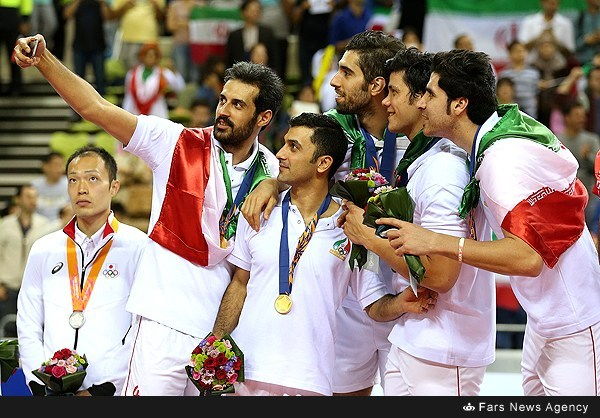
Iran-Japan-Volleyball_AsiaGames-2014-12 Iran wins gold medal
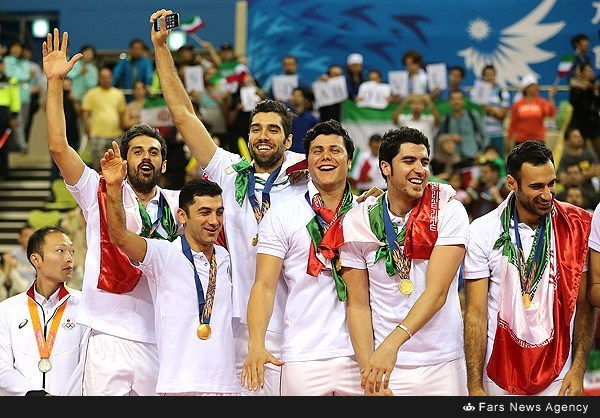
Iran-Japan-Volleyball_AsiaGames-2014-12 Iran wins gold medal
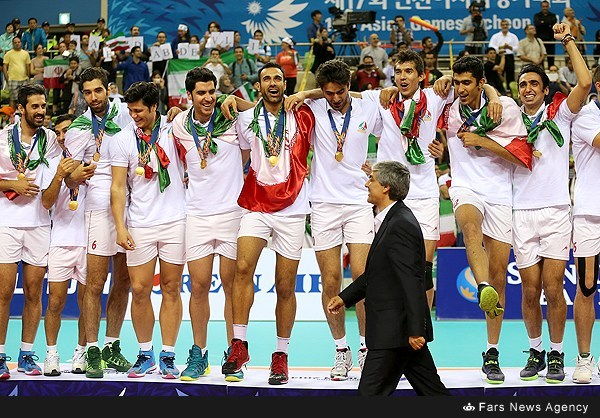
Iran-Japan-Volleyball_AsiaGames-2014-12 Iran wins gold medal
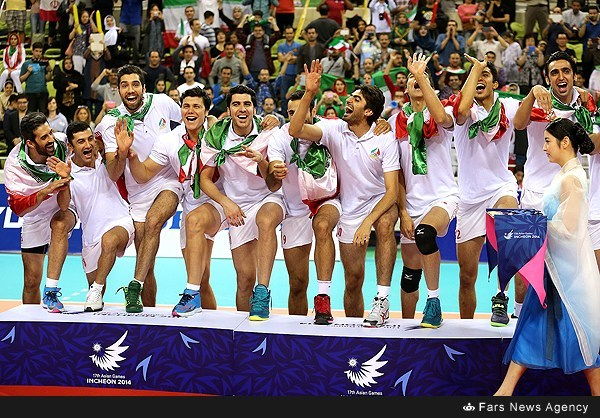
Iran-Japan-Volleyball_AsiaGames-2014-12 Iran wins gold medal
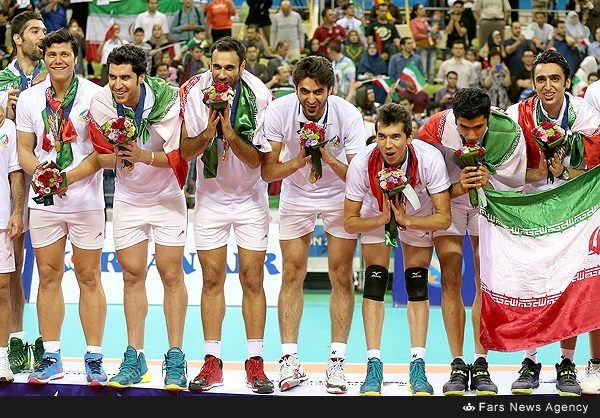
Iran-Japan-Volleyball_AsiaGames-2014-12 Iran wins gold medal
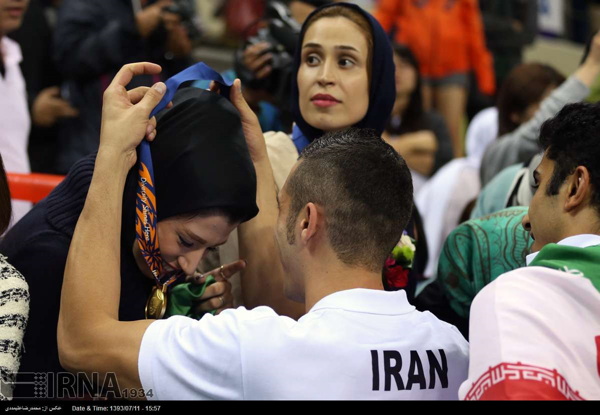
Iran-Japan-Volleyball_AsiaGames-2014-12 Iran wins gold medal
The complete text and much more nice photos:
Get this headline writers – Iran may just be the friendliest place in the world!
It’s certainly the friendliest country I work in. I smile and laugh as much in Iran as I do at home in South East Asia’s Lands of Smiles…
Whenever we stop for a wander in a small Iranian town there’s an echoing chorus of “Salam” as shopkeepers and customers greet us one by one. Cars slow, their drivers wind down their window and shout “Welcome to Iran!” Excited children gather to shout “Which country?” or “Where from?” – the few words of English they can remember from school. It’s worth noting that these small towns are where Islamic faith is at its strongest…

Iran – Axis of People – Land of smiles – 1
From relatively modern Tehran to stylish Shiraz and stunning Isfahan to the tiny tea stop villages, the welcome is universal – whether a handshake and a “salam”, a gentle tap on the heart or a “hello mister”. It’s also surprising how much English is spoken – we shared our picnic with a homeless man in a park recently who thanked and blessed us warmly in English.
British, Australian, Irish and, yes, Americans, are greeted just the same. “No problem for me, only the government”, a hotel manager said to me when I handed him a trio of US Passports. Whose government he was referring to didn’t matter; both are equally guilty of historic paranoia and mistrust. Majid, a chemist we met in the desert town of Yazd said “if governments talked to each other like you and I are talking there would be no problem”; wise and hospitable are not adjectives Western media use liberally when talking about Iran.
The best way to enjoy Persian hospitality is to indulge in the national pastime of picnicking. The weekend (Friday) is a great day to join families around the kettle and stoves in parks and public places across Iran to share friendship and laughter. In the small village of Bazm in the lush Bavanat Valley, we stopped beside a village Emamzadeh (shrine) armed with a couple of flasks of tea and some famed Yazd home made confectionary. We soon found ourselves nestled under trees in the adjacent park, enjoying the holiday atmosphere, lounging on mats with a dozen or so extended families. Sauces bubbled away in pots and saffron rice steamed perfectly atop burners – the Persian picnic is a full-on culinary experience!
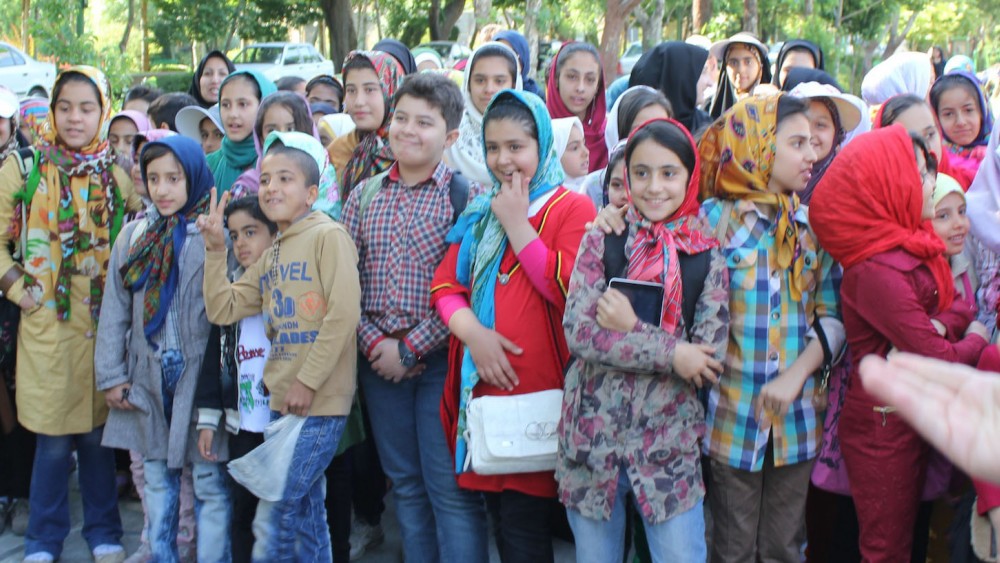
Iran – Axis of People – Land of smiles – 2
In the park we met Nilafar, who studied engineering on the Persian Gulf (60% of engineering graduates in Iran are women – another statistic for the headline writers).
“Have you seen an American before?”
“Only in the movies”, she replied calmly.
There was no alarmed reaction – just a scramble for photos.
…
The Friday call to prayer from the mosque briefly interrupted the chatter and laughter around the park. A hapless looking priest wandered outside looking for business, but here, as elsewhere in Iran, people are voting with their flasks…
My final memory of an amazing month spent in Iran is the holiday atmosphere in the mighty Naghsh-e Jahan Square in Esfahan. Its size may no longer be ‘half the world’ but it’s beauty and grassy verges draw Esfahanis and visiting Iranians every Friday evening. Long gone are the days when the Safavid Rulers sat on the terrace of the Ali Qapu Palace overlooking the square to watch polo; the square belongs to the people now.
After 10pm the square is still full of families, sitting on mats beside spurting fountains and coloured lights surrounded by beautifully tiled Islamic domes. Young children – up way after western bedtimes – run around with oversized saffron ice creams. Beside the tea flasks, kebab burners and pots and pans are everything from toy cars to table football games. Everyone wants to offer us food, drink and friendship. It’s hard to imagine such a sober, cultured and friendly atmosphere in a western park late on a Friday night.
…
In addition to the natural beauty and historical sites, we visited mosques and madrassas on our travels. Often called ‘hotbeds of religious fervor’, we found them to be tranquil oases of study and peace, where the warmth of the welcome humbled us. Learned people from the religious schools came to greet us, interested in our nationalities and religions, before posing for photographs.
More details and photos:
Iran’s Mohammad Daneshvar claimed a gold medal in the men’s keirin final in the 2014 Asian Games.

Kazunari Watanabe of Japan claimed a silver medal and Malaysian Josiah Ng finished in third place.
Intro Asia Games (Asiad):
Some 9,500 athletes from 45 countries are competing at the Games, the world’s second-biggest multi-sport event after the Olympics, with 439 gold medals in 36 sports up for grabs.
Iran has participated in the games with 276 athletes in 22 sports.
http://iranfrontpage.com/news/society/sports/2014/09/irans-shot-putter-rajabi-wins-silver-asiad/
An Iranian female athlete bagged silver medal of women’s kayak single 200m on Monday at the Asian Games 2014 in Incheon, South Korea.

Intro Asia Games (Asiad):
Some 9,500 athletes from 45 countries are competing at the Games, the world’s second-biggest multi-sport event after the Olympics, with 439 gold medals in 36 sports up for grabs.
Iran has participated in the games with 276 athletes in 22 sports.
http://iranfrontpage.com/news/society/sports/2014/09/irans-shot-putter-rajabi-wins-silver-asiad/
More photos:
Tehran is the city travellers love to hate, with many avoiding a stay here altogether en route to Iran’s more popular tourist destinations. But as Mike Milotte discovers, the capital’s gorgeous galleries, sociable locals and exhilarating pace give it a beautiful side too.
Iranian friends and our guide/interpreter alike think we’re mad, but we persist with our plan to spend 10 days of our month-long visit to Iran in the polluted and architecturally unattractive capital, Tehran.
…
For my part, eleven museums, six art galleries and three bazaars later – not to mention two mountain trips, one cinema visit and a memorable night at home with a Tehrani family – I’m glad we persevered.
…
The plaza outside the main bazaar is a great spot for people-watching. The streets are teeming, not with mullahs or gun-toting police as I had anticipated, but with seemingly carefree shoppers, armed with mobile phones. There are lots of head-to-toe black chadors, but just as many women wear cheerful loose-fitting headscarves, tight jeans and dramatic makeup.
…
Meeting Tehranis is remarkably easy and richly rewarding. As we try to buy saffron, piled high at the very un-touristy Tajrish bazaar, a young woman asks in broken English if we need help. We get talking. ‘N’ is an artist, and one of her friends has an exhibition at the renowned Seyhoun art gallery. We’re invited along, and are soon chatting to half a dozen of the city’s brightest young painters, N’s friends, who excitedly show us their work on smart phones and tablets. We adjourn to a working studio, home to illicit life drawing classes, where we drink tea and leave with a fabulous landscape painting that will grace our living room.
…
Next day, in the unpeopled galleries of the Museum of Contemporary Art, a staff member tells us 3,000 works by western painters like Picasso, Van Gogh, Bacon, etc – all deemed degenerate – languish in the basement while ‘safe’ Iranian art bedecks the walls. ‘That’s why no-one bothers coming,’ our informant asserts. Later, in the Carpet Museum next door, an attendant eagerly points out some 18th century Persian rugs depicting erotic imagery where more than female heads are laid bare. ‘How come they’re still on show?’ I ask. He just smiles back.
As the only foreigners in most of the places we visit, we are an endless source of interest to shyly curious Tehranis. One such encounter, during a lung-reviving mountain walk at Darband, ends with an invitation to dinner in the family home. The women all wear party dresses and have their heads and arms uncovered, illegal, even at home, when a male stranger is present. French wine and Russian vodka, smuggled from Iraq, are offered, and after an unforgettable meal of lamb with walnuts and pomegranate, we settle down to watch television.

…
Zigzagging back to our hotel in a bone-shaking taxi without seatbelts, our driver, a talkatively wise man with reasonable English, points out ranks of enormous SUVs – gleaming Porsches, Mercs, BMWs and Audis – waiting for their owners to spill out of fashionable and expensive eateries in Tehran’s northside. ‘Sanctions’, he says, ‘have made a small number of businessmen with political friends fantastically rich.’
Am I imagining it, or is it beginning to feel more and more like home here?

A young couple admire the view of Tehran at dusk. Image by Amos Chapple / Lonely Planet Images / Getty
Glass and Ceramics Museum
Stunning artefacts from the 2nd millennium BC onwards, beautifully displayed and annotated. We were the only visitors which meant we could ooh and aah without embarrassment.

A display at Tehran’s Glass and Ceramics Museum. Image by Mike Milotte / Lonely Planet
Reza Abbasi Museum
The exhibits, starting from around 2000BC, are without exception quite exquisite – especially the gold work – and as few people seem to visit, you might have it entirely to yourself.
Jameh Bazaar
A massive Asian flea market staged on Fridays only, when the main bazaar is closed. Come prepared to buy stuff you neither need nor want but will treasure for ever. Increase the pleasure by haggling hard.
Carpet Museum of Iran
Look out for two enormous carpets depicting (among others) Napoleon, and see if you can spot the difference in how he’s depicted. The carpets are beautiful but unlike its Turkish equivalent in Istanbul, this museum’s signage isn’t great.

Colourful detail in the Carpet Museum of Iran. Image by Mike Milotte / Lonely Planet
Taxi ride across town
You’ll probably survive it, and you’ll certainly never forget it. Tehran traffic seems chaotic yet it flows smoothly. The secret is in the weaving and dodging performed by drivers who appear mad but who never lose their tempers, let alone their bumpers.
Read more: http://www.lonelyplanet.com/iran/travel-tips-and-articles/tehrans-top-attractions#ixzz3CBhjP749
Other photos from Tehran: https://theotheriran.com/tag/tehran/
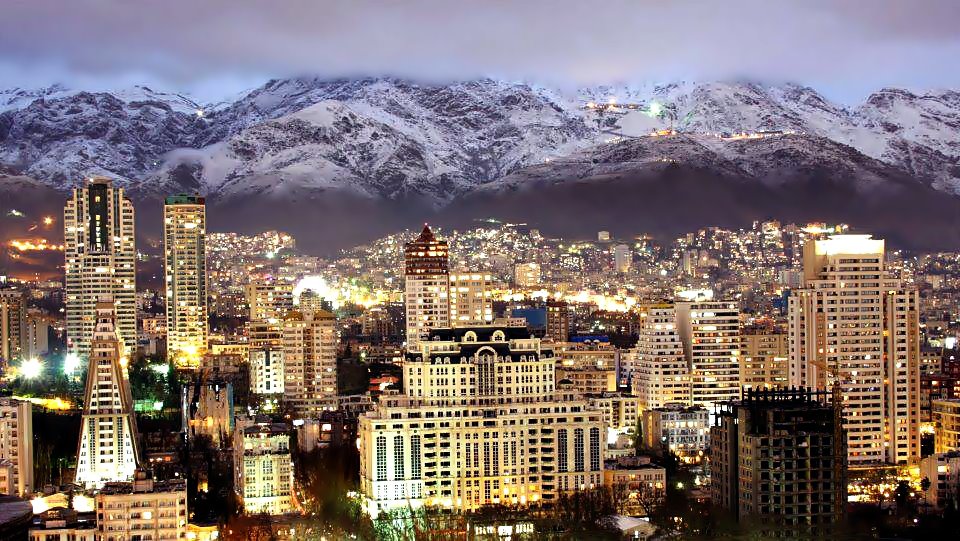
Tehran, Iran-Night
Khatam means incrustation in Persian and Khatamkari refers to incrustation work. It consists in the production of incrustation patterns (generally star shaped) with thin sticks of wood (ebony, teak, zizyphus, orange, rose), brass (golden parts) and camel bones (white parts). Ivory, gold or silver can also be used for collection objects.
Many objects can be decorated in this fashion, such as jewelry/decorative boxes, chessboards, pipes, desks, frames or some musical instruments. Khatam can also be used in Persian miniatures, making it a more attractive work of art. This craft was so popular in the court during the Safavid period that princes learned it at the same level of music or painting.
Based on techniques imported from China and improved by Persian know-how, khatam has existed for more than 700 years and is still practiced in Shiraz and Isfahan.


Source. IranReview
Asghar Farhadi named Busan Film Festival jury president
Academy Award winning Iranian filmmaker has been selected to preside over the jury for the New Currents section at the 19th Busan International Film Festival in South Korea.
Farhadi will head the festival’s jury panel that is comprised of French philosopher Jacques Ranciere, Professor of film studies at the Scotland’s University of St. Andrews Dina Iordanova, Indian actress Suhasini Maniratnam, and Korean filmmaker Bong Joon-ho.
The Iranian director Mohammad Mehdi Asgarpour’s drama We Have a Guest is also scheduled to compete at the festival which will take place from October 2 to 11.

Academy Award winning Iranian filmmaker Asghar Farhadi
Born in 1972, Farhadi received his Bachelors in Theater from University of Tehran’s School of Dramatic Arts in 1998 and his Masters in Stage Direction from Tarbiat Modarres University a few years later.
His 2011 family drama A Separation became a sensation and received rave reviews from numerous international film events and festivals.
The film won the award for the Best Foreign Language film at the Golden Globe Award and Academy Award in 2012.
“Farhadi is a filmmaker who makes one becomes familiar with the rich culture of Iran. His works remind us of Victor Hugo,” The mayor of Paris, Bertrand Delanoe had earlier said during an award ceremony during which the Grand Medal of Vermeil from the City went to Farhadi for his latest drama The Past (Le Passé).
The Past has scooped numerous awards so far such as two prizes at the 66th Cannes film festival including the Best Actress award and the Prize of the Ecumenical Jury (prix du Jury œcuménique).
Dancing in the Dust (2003), The Beautiful 2004), Fireworks Wednesday (2006) and About Elly (2009) are his other directorial works.
More photos of Iran: http://comeseeiran.tumblr.com/


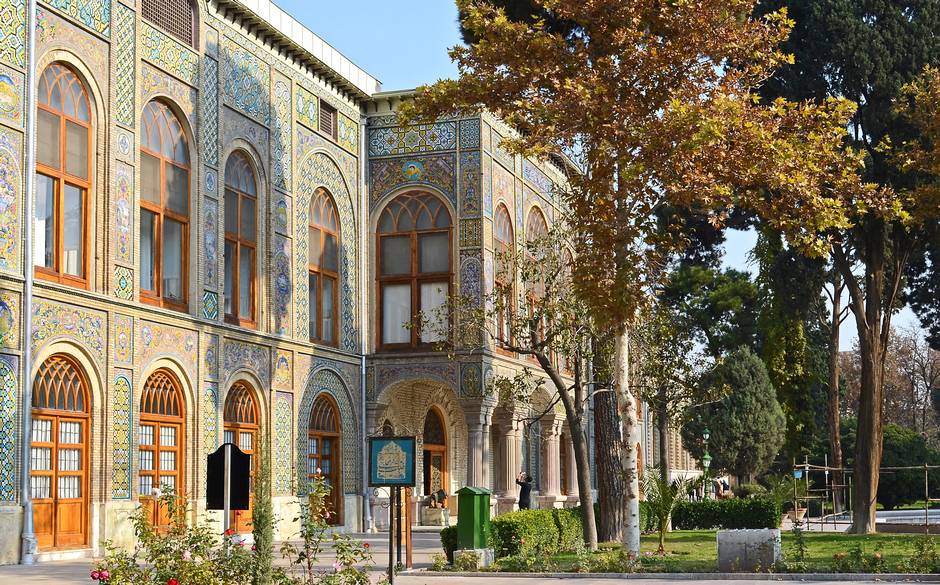
Iran, Tehran, Golestan Palace
…
Think of a country, largely cut off from the outside world, with a lovely dry climate, sophisticated and charming people, superb archaeological monuments, mountains, deserts, the Caspian Sea. If recent history had been different, it would be the India of the travel business, only without the beggars and the chaos. Iran is, quite simply, the most charming country I know.
…
What always strikes me in Iran is the normality of it. If you wandered down the street in Tehran – say Dr Fatemi Avenue, where the old and much-loved hotel, the Laleh, stands – you would find it suspended between West and East, between the modern and something altogether older and more attractive: the Persian past.
This is not Saudi Arabia: women drive cars, run businesses and often forget to cover their hair as they’re supposed to do.
…
I first became aware of this affection in the Eighties, when I ventured out to cover an anti-British demonstration in the city. I was a lot younger then, and accompanied by a charming, fatherly cameraman. The crowd pushed and shoved, and shouted “Marg bar Tacher” – “death to Thatcher”. I asked the cameraman to stand on a low wall and film me as I walked through the angry demonstrators. “I really don’t think you should do this, John,” he said, with a troubled look at the mob. But I’d seen it done before, by an American correspondent. I weaved my way through the crowd, smiling and explaining that I was a Brit, and they opened up a pathway for me, shaking hands and bowing.
I finally reached the ringmaster, a professional demonstrator who was beating his chest, the spittle shooting from his mouth in his anti-British fervour. “Welcome, welcome to Iran, sir,” he said, and actually kissed my hand. It went down well on the news that night, I promise you.
All right, you’re saying, that was decades ago. But, you see, Iran has been cut off from the West for so long since then that the longing for contact with westerners has actually grown. If you spend an evening wandering round Isfahan, the incomparable city of Shah Abbas on the Zayandeh River, with the distant foothills of the Zagros purple in the fading light, your main problem will be saying no to the kindly people picnicking in the parks and gardens who beg you to join them.
…
Iran is recommended by the Telegraph Travel team as one of the 20 top destinations to visit in 2014. For more on what’s on offer, read our guide to holidaying in Iran.
Other travel articles on Iran: https://theotheriran.com/tag/travel/
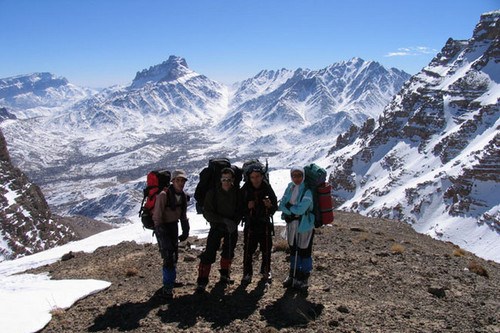
Yazd, Iran, Terzejan Glacier
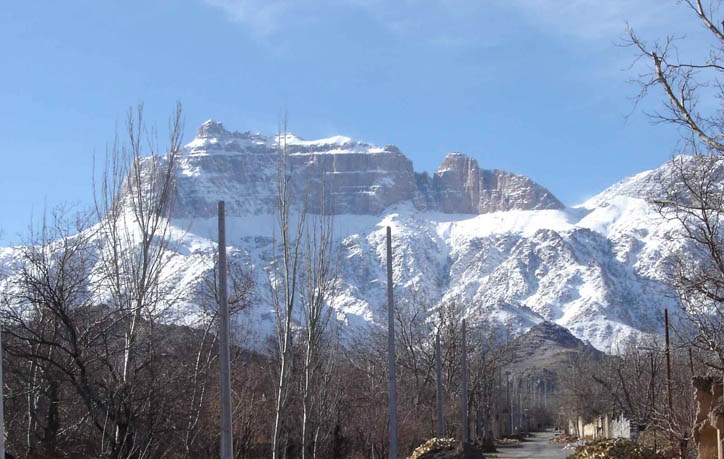
Yazd, Iran, Terzejan Glacier
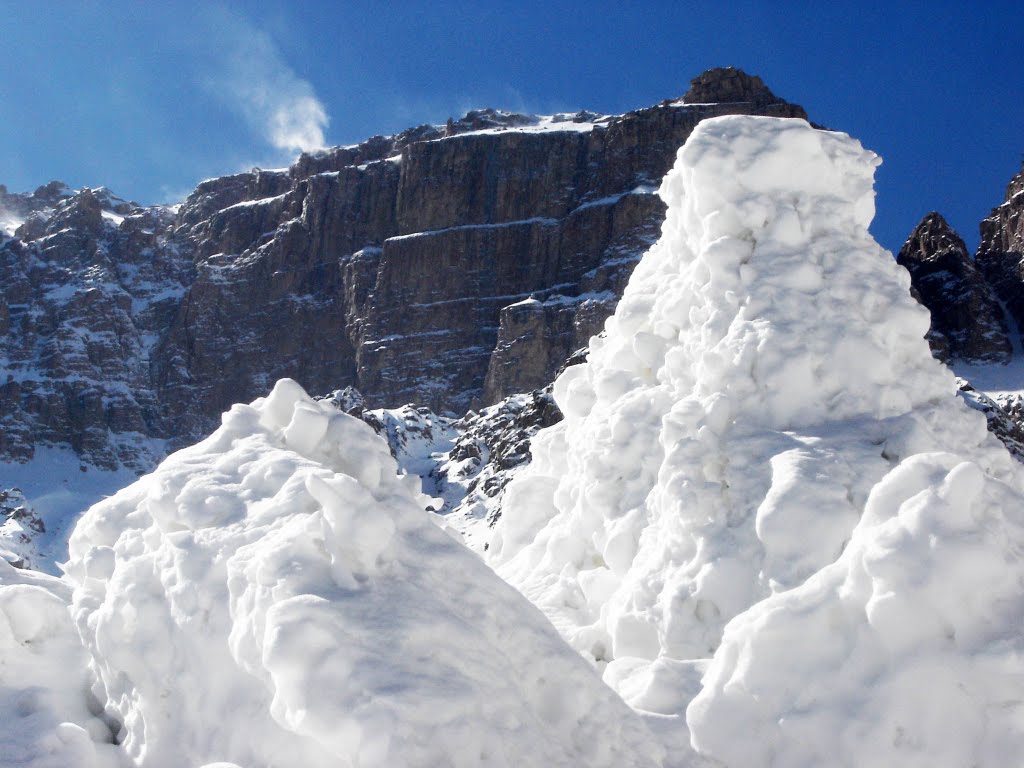
Yazd, Iran, Terzejan Glacier
Tezerjan Glacier is a natural glacier on Shirkouh mountain and Tezerjan village is located on its foothill. ( Top of Tezerjan mountain is 4005m from the sea level). Not long ago, a great of ice and snow were carried 60km to Yazd on hot days during the year, using pack animals, in order to chill beverages, especially Yazdian Paloude (sweet beverage containing thin fibers of starch jelly), so Yazdian Paloude is related to this natural glacier.
Sharifi-ha House, a seven-story building designed by contemporary Iranian architect Alireza Taghaboni, is located in upscale north Tehran and includes rotating levels. The three revolving bedrooms of the house allow its residents to always enjoy the sun and the best views over the city.
In order to change the view from the windows and enjoy the mid-afternoon sun, all you need to do is to push a button. Alternatively, the windows can tuck into the structure to provide a closed, more private environment.
“Our design scenario was based on seasons. In winter, when balconies are not usually used, and the outside view is not very important, the structure gets closed, and all attention is shifted towards the void inside the house. In summer, the cubes are extended outwards, and balconies are activated. Now all attention is towards the outside,” Taghaboni said.


Privacy has always been a top priority for the Iranians and this was taken seriously in the design of the rotating home. Instead of providing large windows, a void or empty space has been used in the middle of the building to allow sunlight into the house.
The void also resembles ancient Iranian architecture. “Our main reference for this project is ancient Iranian buildings, but with a complete revision based on a reading of our own, which obviously uses a modern design language,” Taghaboni said.
Around three million euros (USD 4 million) was spent on designing and building the house. Taghaboni says only one seventh of the money was used for building the rotating boxes.
The revolving home has been nominated for an international prize at an event called the World Architecture Festival which is to be held in Singapore in October, 2014.
Sources: Iran Review, archdaily.com (for more photos and detailed information)
Oriental historian Basil Gray believes Iran “has offered a particularly unique [sic] art to the world which is excellent in its kind”.
Painting in Iran is thought to have reached a climax during the Tamerlane era when outstanding masters such as Kamaleddin Behzad gave birth to a new style of painting.
Qajarid paintings, for instance, are a combination of European influences and Safavid miniature schools of painting such as those introduced by Reza Abbasi. Masters such as Kamal-ol-molk, further pushed forward the European influence in Iran. It was during the Qajar era when “Teahouse painting” emerged.


Source: Iran Review
The grand prize for the 2014 UNESCO Asia-Pacific Cultural Heritage went to Sar Yazd Castle in Yazd, Iran.
In June 2014, a panel of judges composed of international experts in conservation and restoration evaluated 46 projects from countries in the Asia-Pacific Region.
Among the projects, Sar Yazd Citadel restoration project from Iran managed to receive the grand prize. The grand prize was awarded to Iran due to the role of private institutions in preserving this historical location which has consequently influenced the socio-economic status of the locals in regard to creating job opportunities.

Sar Yazd is situated 30km south of Yazd province. Some speculate that the castle belongs to the Sassanid era.
Conserved and restored sites with more than 50 years of age which have been finished within last 10 years and have been open to visitors for at least a year have been considered eligible for this contest.
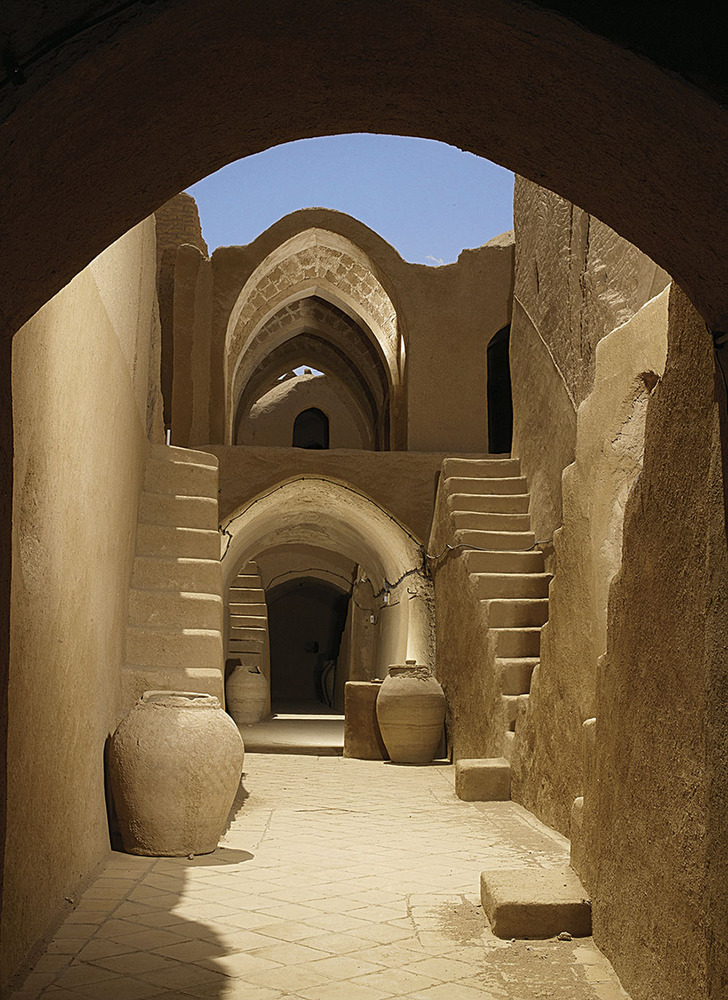
Yazd, Iran – Saryazd citadel – inside
The 2014 and 2015 contests are held with the financial support from Beijing Sino-Ocean Charity Foundation.
Call for participation in the 2015 UNESCO Asia-Pacific Heritage Conservation contest will be announced in October 2014 via the contest’s website.

Source: Iran Review | Iranians’ Achievements (scroll down)
The lead male role in Oscar-winning A Separation, Peyman Moaadi, has made male lead again, this time in a US-produced movie, titled Camp X-Ray.
The movie has been credited for moving performances by both of the stars.
Peter Sattler’s directorial debut, Camp X-Ray premiered at the Sundance Film Festival and is due for US screening on October 17.
Moaadi started his acting career in director Asghar Farhadi’s About Elly (2009). Two years later, he received the Silver Bear award for Best Actor from the Berlin International Film Festival for his leading role in Farhadi’s A Separation. The latter flick saw him doing justice to the character of a father in a family faced with a difficult decision – to move to another country or to stay in Iran and look after a deteriorating parent.


Source: Iran Review

Iranian screen production The Pearl directed by Sirous Hassanpour has garnered award at the 2014 edition of Bucharest International Film Festival, Romania.
The award went to the film’s cinematography director Saed Nikzat for his particular way and gorgeous imagery used in the film.
Nikzat as a director of photography contributed to more than 20 short and feature films.
Produced by Iran’s Farabi Cinematic Foundation, The Pearl also competed in Damah Film Festival that took place in the Japanese city of Hiroshima on August 2 and 3, 2013.
The film chronicles the life of a pearl hunter, Karim, who is living in a little town of southern Iran. Karim who suffers from heart trouble, finds out that he needs an urgent surgery for the disease but he cannot afford it. His two children think that they have to grow up sooner than expected time to help their dad.
The movie won the UNICEF award at the 2012 International Film Festival for Children and Young Adults in Isfahan.
…
The report also says that the film portrays the finer aspects of human relationships and moral values with beautiful cinematic skills.

Andy Warhol in Isfahan 1976
Bani-Etemad received the Best Screenplay award for her film Tales during the awards ceremony on the closing day of the festival on September 6, 2014 at Venice Lido.

Iranian filmmaker Rakhshan Bani-Etemad receiving her award at the Venice Film Festival
Tales is composed of seven short episodes, in which Bani-Etemad reveals the fate of some of the main characters in her previous films like The Blue-Veiled, Under the Skin of the City and Mainline. […]
Best-known for addressing social problems in her films, Bani-Etemad has directed numerous feature-length and short films as well as documentaries, which have garnered many international and national awards.
“The characters in my films are real, [from among] the people whom I might meet every day,” she had earlier stated. […]
Another Iranian film maker Nima Javidi’s debut feature-length film Melbourne received critical acclaim at the festival. The film opened Critics’ Week section of the event.
French film composer Alexandre Desplat was the head of the international jury at this year’s Venice Film Festival. The 71st annual Venice Film Festival took place in Venice, Italy from August 27 to September 6, 2014.
Source: Payvand News of Iran

Roya Beheshti Zavareh
General Information
Born: 1977, Esfahan, Iran
Citizenship: Iranian
Education
Massachusetts Institute of Technology, Cambridge, Massachusetts.
Ph.D. in Mathematics, 1999-2003
Thesis Advisor: Prof. Johan de Jong
Sharif University of Technology, Tehran, Iran
B.S. in Mathematics, 1995-1999
Research Interests
Algebraic geometry
Positions
Associate Professor, Washington University in St. Louis, 2013 – present.
Assistant Professor, Washington University in St. Louis, 2007 – 2013.
Postdoctoral Fellow (Complementary Program), MSRI, Berkeley, 2006 – 2007
Postdoctoral Fellow, Queen’s University, Kingston, Canada, 2004 – 2006
Postdoctoral Fellow, Max-Planck-Institut fur Mathematik, Bonn, Germany, 2003 – 2004
Grants
National Science Foundation, DMS1204567, 07/2012-06/2015
Simons Collaboration Grants for Mathematicians, 2011-2016
AWM travel grant, June 2010
Fund for Scholarly and Professional Development (2006), Queen’s University
Honors
Rosenblith Fellowship, Department of Mathematics, MIT, 2000
Liberty Mutual Fellowship, Department of Mathematics, MIT, 1999
International Olympiad in Informatics (Netherlands 1995), bronze medal
International Mathematical Olympiad (Hong Kong 1994), silver medal
Source: http://www.math.wustl.edu/~beheshti/web-cv.pdf
Roya Beheshti was class mate and friend of Maryam Mirzakhani, the first woman winner of the Fields Prize (“Nobel Prize in Mathemathics”): https://theotheriran.com/2014/08/14/iranian-mathematician-maryam-mirzakhani-the-first-women-to-win-the-nobel-prize-of-mathematics/
This is what she writes on her blog:

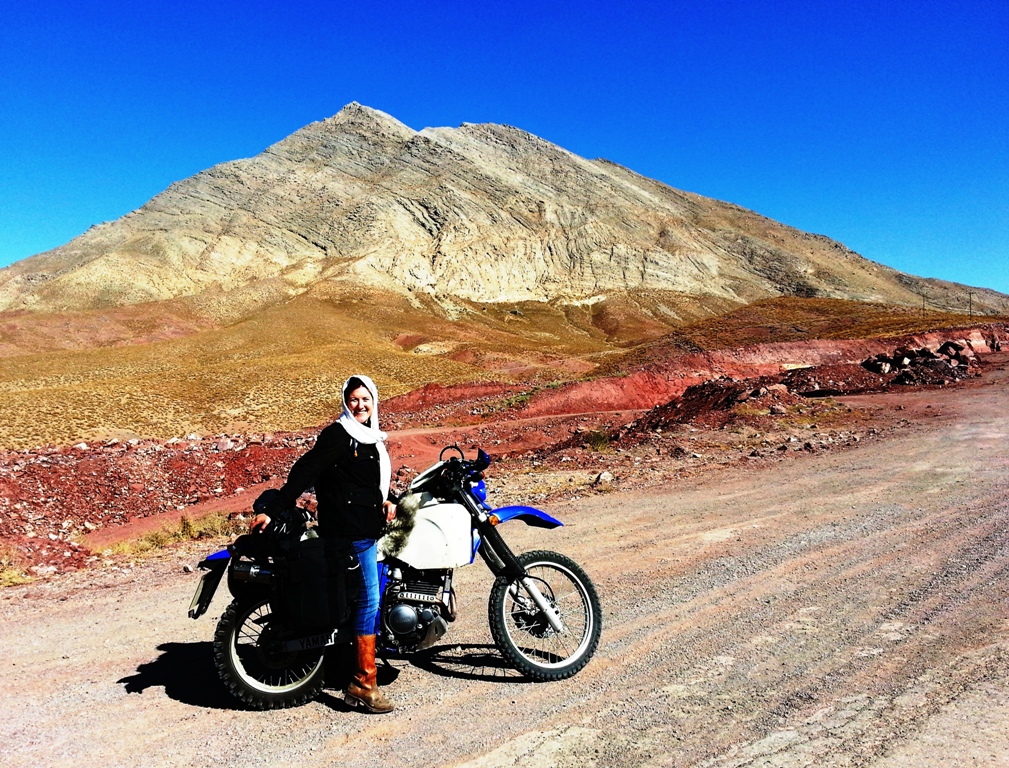
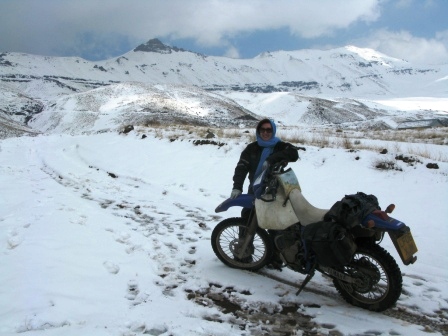
In autumn 2013 and spring 2014 I spent two months riding 3000 miles around Iran. Of all my journeys, this is the one that has affected me most profoundly.
The popular image of Iran here in the West is of course, hardly welcoming, and I admit I set off with some trepidation – was it really wise for me to ride a motorcycle alone in this pariah nation of Islamic extremists, with all its gruesome facts and figures surrounding women’s rights, free speech and treatment of political prisoners?
But if I’ve learned anything from my travels it’s that a nation’s government and its people are entirely unconnected (I mean, really, would I want a foreigner to judge me on David Cameron’s actions?!). And as soon as I crossed the border it became apparent that the Iranian people were going to make me fall head over heels in love with their country. I have never experienced such a warm welcome and effortless kindness and hospitality from a nation.
http://www.loisontheloose.com/my-adventures/iran/
The Telegraph writes:
“I was run off the road a lot of the time; at first I thought people were trying to mow me down, or Islamists; and it turned out they just wanted to give me bags of pomegranates.”
…
“You find that you just can’t eat any more food. It’s mad. I had heard Iranian hospitality was legendary, and it really is. There was none of the dour religiosity you usually hear about.”
Other aspects of the country have also given her a taste for more, including the “incredibly beautiful” architecture and mosaics of the mosques, striking modernist buildings such as the Azadi tower in Tehran, and the “unique” desert city of Yadz.
“My bike is still out there with some wonderful people I stayed with in Tehran,” she says. “I’m hoping to go back next year and visit the areas I missed.”

Farhad Eskandari, who is almost 80 years of age and has recently had his name recorded as the oldest climber of Mera Peak in the Himalayas, has scaled high peaks across Iran and around the world for more than four decades.
…
Never before has anyone managed to pull off such a great accomplishment at such an advanced age. Among the peaks he has conquered are Damavand [the highest peak in Iran, 5,670m], Sahand [the highest in the province of East Azerbaijan, 3,707 m], Sabalan [in Ardabil Province of northwestern Iran, 4,811m], Alam-Kuh [in the Alborz mountain range in the northern Iranian province of Mazandaran, 4,848 m] and lots of others in Iran. Mr. Eskandari, who is originally from Zanjan [the capital of Zanjan Province in northwestern Iran], has conquered Ararat, and Sobhan in Turkey four times and some other peaks in Central Asia.
…
Mr. Eskandari, who suffered injuries in his eyes and hands during the 8-year war between Iran and Iraq in the 80s, has added the title of the oldest climber of Mera Peak to his trophy cabinet. He has set his sights on Mount Everest with an elevation of 8,848m.

Ghalamkar (Qalamkaar, also qalamkar, kalamkar) fabric is a type of Textile printing, patterned Iranian Fabric. The fabric is printed using patterned wooden stamps. It is also known as Kalamkari in India which basicaly is a type of hand-painted or block-printed cotton textile.

Termeh
Termeh is a handwoven cloth of Iran, primarily produced in the Yazd province.

Weaving Termeh requires a good wool with tall fibers. Termeh is woven by an expert with the assistance of a worker called “Goushvareh-kesh”. Weaving Termeh is a sensitive, careful, and time-consuming process.Greek historians commented on the beauty of Persian weavings in the Achaemenian (532 B.C.), Ashkani (222 B.C.) and Sasanidae (226-641 A.D.) periods and the famous Chinese traveller Hoang Tesang admired Termeh.
…
Due to the difficulty of producing Termeh and the advent of mechanized weaving, few factories remain in Iran that produce traditionally woven Termeh. Rezaei Termeh is the most famous of the remaining factories.
http://www.iranreview.org/content/Documents/Iran%E2%80%99s_Art_Heritages_and_Handicrafts.htm
An all-female Iranian pop band, will appear again to perform concerts at Tehran’s Vahdat Hall on September 4 and 5.

The band, which is composed of five singers and 12 musicians, will perform a repertoire of Persian, English, French, Arabic, and Hindi songs during the performances.
Band leader Bahar Ilchi said that her band is the first all-female Iranian pop group to perform live in concert in Iran since the victory of the Islamic Revolution in 1979.
More infos and more photos:

An Orient Express carriage, on which the new Hungary-Iran train styles itself (AFP)
Railway enthusiasts with a taste for nostalgia will soon be able to indulge their Orient Express fantasies after Hungarian Railways said it was launching a luxury Budapest-Tehran train service.
With ticket prices of between 10,000 and 23,000 euros ($13,000-31,000) per person, guests will receive “five-star” treatment…
The first “Golden Eagle-Danube Express” train, which comprises 13 lavishly-decorated wood-panelled 1950s carriages and berths for about 70 guests, will set off from Budapest on October 15.
The two-week trip will cross Hungary, Romania, Bulgaria and Turkey, and take passengers through the ancient Iranian cities of Shiraz and Persepolis before reaching the capital Tehran.
…
“Nostalgia fans needn’t panic, another five trips are scheduled for 2015,” she said.
The last Orient Express – which traditionally linked Paris and Istanbul – ran in 2009, with the luxury Venice Simplon-Orient Express continuing to run services between London and Venice.
http://www.middleeasteye.net/news/five-star-orient-express-link-hungary-and-iran-759845650

The train is a joint venture between the Danube Express, the only private train in Central Europe to have en suite facilities, and the “rail-cruise” tour operator Golden Eagle Luxury Trains. It will travel through Hungary, Romania, Bulgaria and Turkey before entering Iran, where five days will be spent exploring historic cities, World Heritage Sites and towns off the beaten track.
There will be two “Jewels of Persia” trips in 2014: eastbound departing on October 14, costing from £8,695 per person, and westbound on October 27, costing from £9,395, not including flights. Two more trips are being arranged for 2015. For details see danube-express.com; goldeneagleluxurytrains.com.
The art of carpet weaving in Iran dates backs to 2,500 years and is rooted in the culture and customs of its people and their instinctive feelings. Weavers mix elegant patterns with a myriad of colors.
…
The Iranian carpet is similar to the Persian garden: full of florae, birds and beasts. The colors are usually extracted from wild flowers, and are rich in colors such as burgundy, navy blue and accents of ivory.
…
The proto-fabric is often washed in tea to soften the texture, giving it a unique quality. Depending on where the rug is made, patterns and designs vary.

http://www.iranreview.org/content/Documents/Iran%E2%80%99s_Art_Heritages_and_Handicrafts.htm
Enamel working and decorating metals with colorful and baked coats are one of the distinguished artwork in Isfahan. Mina, is defined as some sort of glass-like colored coat which can be stabilized by heat on different metals particularly copper.
Although this course is of abundant use industrially for producing metal and hygienic dishes, it has been paid high attention by painters, goldsmiths and metal engravers since a long time. It is categorized as enamel painting, charkhaneh (or chess-like enamel) and cavity enamel.


Enamel painting is practiced in Isfahan and specimens are kept in the museums of Iran and abroad, indicting that Iranian artists have been interested in this art and used it in their metalwork ever since the rule of Achaemenian and Sassanid dynasties. Since enamels are delicate, we do not have many of them left from ancient times. Most of the enameled dishes related to the past belong to the Qajar dynasty during 1810–90.
Source: IranReview
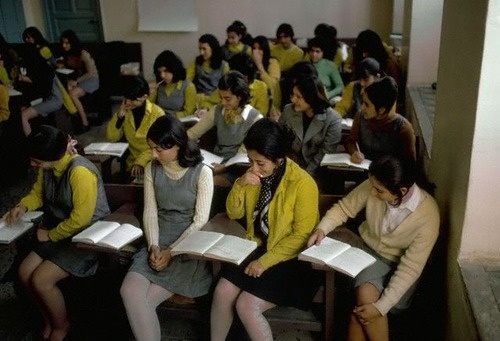
School girls in Iran, 1960s

Professor Hossein Baharavand from the Stem Cell Research Center of Royan Institute was qualified to win the 2014-2015 UNESCO-Equatorial Guinea International Prize.
…
UNESCO-Equatorial prize is awarded to those projects and activities of an individual, individuals, institutions, other entities or non-governmental organizations for scientific research in life sciences, which have led to improving the quality of human life.
…
Hossein Baharvand is an Iranian stem cell and developmental biologist and director of Iran’s Royan Institute for Stem Cell Biology and Technology.
Hossein Baharvand was born in 1972 and obtained his PhD degree in 2004 in the field of Developmental Biology from Khwarizmi University (formerly Tarbiat Moallem University), Tehran, Iran.
He began work at the Royan Institute in Tehran from 1996. He is currently full professor and head of Department of Stem Cells and Developmental Biology at Royan institute for Stem Cell Biology and Technology.
Moreover, Baharvand is the head of department of Developmental Biology at University of Science and Culture in Tehran.
He and his colleagues have established several human embryonic stem cell lines since 2003 and later human induced pluripotent stem cells. This has enabled them to pursue many avenues of research into methods of generating therapeutic cells from stem cells and made them the pioneer in stem cell research throughout the Middle East.
Professor Baharvand has published more than 150 peer-review papers in national and international journals, as well as 4 international books and 9 books in Persian. He is editor of Trends in Stem Cell Biology and Technology book. He is an editorial board member of five international journals. He has won 11 national and international awards and presented as invited speaker in several meetings.
The Book of Daniel mentions that Daniel lived in Babylon and may have visited the palace of Susa, Iran, but the place where he died is not specified; the tradition preserved among the Jews and Arabs is that he was buried in Susa. Today the Tomb of Daniel in Susa is a popular attraction among local Muslims and Iran’s Jewish community alike.
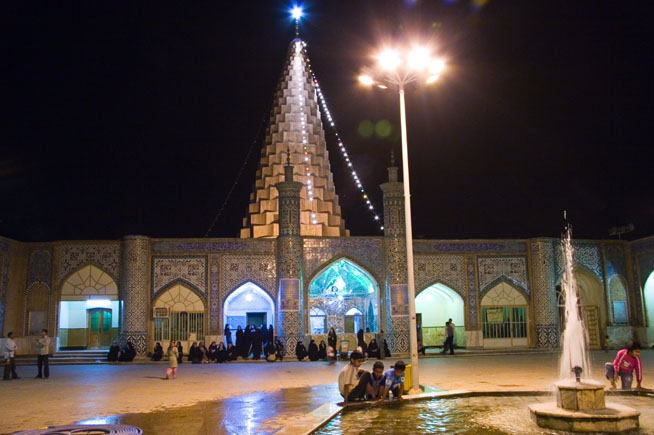
Susa, Iran – Tomb of Daniel at night
Source: wikipedia

Audrey hanging with a group of Iranian women in Masouleh.
Traveling to Iran as an American citizen may sound complicated and dangerous. It’s not. We’re here to dispel the myths and answer the questions piling up in our inbox based on our visit to Iran just a few weeks ago.
Our aim in the following Q&A is to answer actual reader queries and to help demystify the process of traveling to Iran.
Are American citizens legally allowed to visit Iran?
Although the United States has imposed sanctions against Iran, there are currently no restrictions on American citizens visiting Iran as tourists. Currently, about 1,000-1,500 Americans visit Iran each year. […]
As an American, how will Iranians treat me?
Iranian people were often shocked to discover that we were American and that we were able to get a visa to their country. Once this fact set in, they often went over the top in welcoming us — everything from cordial greetings, to smiles, hugs, gifts and invitations to homes — especially when our guide was out of sight. We joke that it’s the closest we’ve felt to being rock stars.

Read the whole article if interested in details about getting a visa and organizing the trip:
Uncornered Market – Travel and Life Adventure | Traveling to Iran as Americans
Anyhow the blog is just great:
Uncornered Market – Travel and Life Adventure | Travel | Iran

 The other Iran