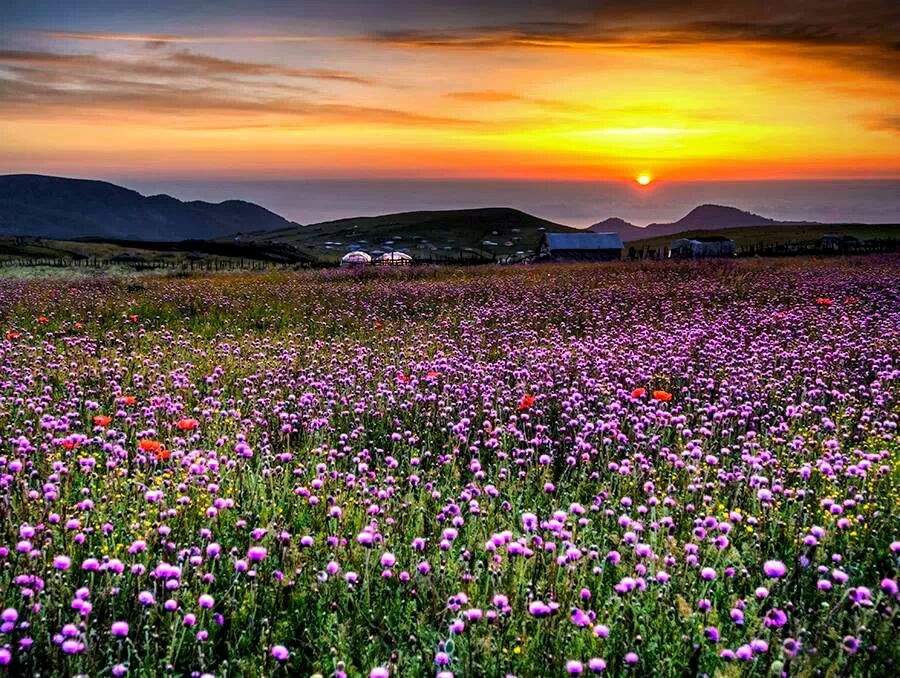
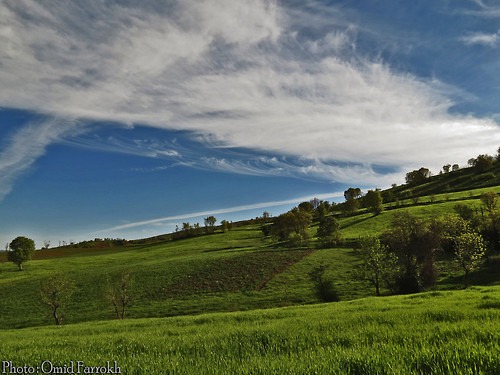
Info about Lahijan: Wikipedia | Lahijan
Tag Archives: Iran
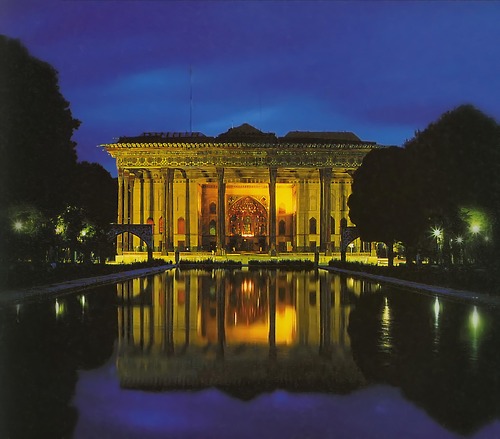
Chehel Sotoun in Isfahan, Iran
The name, meaning “Forty Columns” in Persian, was inspired by the twenty slender wooden columns supporting the entrance pavilion, which, when reflected in the waters of the fountain, are said to appear to be forty.
As with Ali Qapu, the palace contains many frescoes and paintings on ceramic. Many of the ceramic panels have been dispersed and are now in the possession of major museums in the west. They depict specific historical scenes. […] There are also less historical, but even more aesthetic compositions in the traditional miniature style which celebrate the joy of life and love.
Source: Wikipedia | Chehel Shotoun
Series: An American Couple in Iran
Audrey spoke to IranWire about how the country defied all her expectations:
What was your overriding impression of the country and its people?
We felt very welcome in Iran and were impressed by the level of hospitality shown by ordinary Iranians that we met on the streets, in markets, anywhere. Additionally, the ancient sites, the architecture and the deep history. […]
Where did you visit during your trip to Iran?
We spent the first two weeks on a small group tour with G Adventures where we visited Tehran, Hamedan, Kermanshah, Ahvaz and Susa, Shiraz (and Persepolis), Yazd, Esfahan, Abyaneh and back to Tehran. Then we had a private guide for a week where we visited Rasht, Massouleh, Ardabil, Tabriz, Kandovan and the St. Stephanos Church near Jolfa. […]
When you continued your travels, and eventually went back to the U.S., what was the most commonly asked question about your time in Iran?
“Was it safe for you?” Many Americans only see Iranians when they appear on the news, and this is usually during demonstrations or political speeches. They don’t realize that there is a whole other Iranian world outside of this. So we would surprise American friends and family when we joked that Iran was the place that we felt most like rock stars because of the kindness and attention we felt. We told stories of being invited to tea by strangers or people buying us gifts. […]
What was your favorite place in Iran? Do you have one memory that stands out for you?
Our top three places: Shiraz: Beautiful mosques and sights, and we found the people to be incredibly friendly and warm; Persepolis: Impressed not only by the engravings and ruins, but also the history and multiculturalism of the Persian Empire that we learned about while there; Northwestern Iran, especially Tabriz and the Armenian Monastery.
Continue to read the full article: IranWire | An American Couple in Iran
American athletes get star treatment in Iran: “USA, USA” chants for US athletes
“People look at me like I have two heads,” said James Ravannack, describing the reaction he gets when he explains to people what a fabulous time he had in Iran. Ravannack, president of USA Wrestling, told Al-Monitor that he “can’t wait to go back” and wants to take his family along to stay for a month. […]
For Americans, who tend to view Iran through the lens of the 1979 hostage crisis or President George W. Bush’s “axis of evil” speech, going to Iran and actually meeting its people can be mind-blowing.
Robby Smith, 27, the number one US heavyweight Greco-Roman wrestler, told Al-Monitor that the reception he got from Iranian fans was “the most incredible I’ve ever experienced.” […]
The Iranians kept chanting, “ ‘R. Smith’ and ‘USA, USA!’ ” Smith said. The same thing happened after he came from behind against an Armenian wrestler and when he returned, in plain clothes, toward the end of the event. “Thousands of Iranians chanting ‘USA!’” […] Fraser, who estimates that he has visited 50 countries in 19 years with USA Wrestling, said, “Iran was, if not the top, then at the top” of all of them. He added, “[Iranians] are some of the nicest people I’ve ever met. They treated us like royalty.” […]
This reporter was present in 1998 when US wrestlers returned to Iran for the first time since the 1979 revolution. The US flag was displayed in Tehran’s Azadi stadium — not burned as usual in an anti-American demonstration — and Iranian fans cheered as much or more for the Americans as they did for their own team. […]
A unique feature of the recent trip to Iran by the US wrestlers is that their current team leader — a Minneapolis wrestling enthusiast named Christina “Kiki” Kelley — is a woman. […] Kelley, who like the other members of the US delegation, had expected a grim, strict Islamic state, came prepared with ultra-conservative black clothes — which elicited giggles, she said, from many Iranians. Asked to participate in the opening ceremonies for the competition, she changed into red, white and blue.
“I kept my head bowed until we were two-thirds of the way around, when I realized that men were standing and that they were not booing, they were cheering,” […]
Kelley was invited by her Iranian hosts to stay an extra six days, which gave her a chance to travel to Isfahan and to go to schools, an orphanage and numerous cultural sites, including a private art collection at the parliament in Tehran. She, like Ravannack, said she wants to go back with her family and is also considering becoming a sports and cultural ambassador to Iran if the US government decides to appoint one.
Source: Al-Monitor | US athletes get star treatment in Iran, Facebook | Steven H Fraser | Photos, Muftah | Iran and the United States Wrestle with Love
Iran’s Khar Turan 2nd largest biosphere reserve in world
Khar Turan National Park, located southeast of the Iranian city of Shahrud, is believed to be the second largest biosphere reserve in the world. With an area of around 1.5 million hectares, it is the world’s second largest biosphere reserve after Africa’s Serengeti, says the park’s Chief Ranger Ali Akbar Ghorbanloo.
Shahrud’s Khar Turan, in the province of Semnan, is also home to the world’s last remaining Asiatic cheetah in captivity called Delbar (meaning enchanting in Persian).

Photos: A Lone Persian Cheetah at Turan National Park
The area has one of the richest diversities in terms of mammal species in the country, and has the largest population of onager in Iran as well as a good number of the two species of gazelles, wild sheep and wild goat, which ensure cheetah survival.
Video: “The daily show” by Jon Stewart in Iran – yes Iran
2014 Tehran Art Auction grosses over $4 million
Sohrab Sepehri’s untitled painting from his Tree Trunk series sold for 18 billion rials (about $550,000), setting a new auction record for an Iranian painting.
Another work by Sepehri, a 90×130 centimeter abstract painting, sold for 16 billion rials (over $485,000), fetching the second highest price at the auction.
Reza Derakhshani’s artwork “Hunting the Blue Sky” sold for 6 billion rials (over $180,000), three times the estimated price, making it the third highest selling lot at this year’s auction.
Other highlights of the sale included a calligraphy painting by Mohammad Ehsaii and a two-piece painting by Aidin Aghdashlu. A calligraphy painting by Nasrollah Afjeii and paintings by Kurosh Shishegaran, Parviz Kalantari, Farideh Lashaii, and Masud Arabshahi were also sold.
Tehran Auction Director Alireza Sami-Azar, who established the auction house in June 2012 to promote the economy of art in the country, said that the sale was beyond his expectations, which shows Iranians’ interest in art, and the creativity of the country’s artists.
Complete catalogue of the auction: Tehran Auction 2014
Source: Payvand News of Iran | 2014 Tehran Auction grosses over $4 million
First female governor in Gilan Province of Iran appointed
Mona Abrufarakh has become the first woman to be chosen as a governor in Gilan Province. IRNA reports that Abrufarakh will serve as governor of central Rasht.
[…]
The Rohani administration has already appointed four women to the position of governor in Hamoon, Qasr-e qand, Bandar Torkaman and Qeshm, as well as a female prefect in Bushehr.
Ezzat Kamalzadeh, Massoumeh Prandar, Homeira Rigi and Marjan Nazghelichi are respectively serving in Qeshm, Hamoon, Qasr-e Qand and Bandar Torkaman, and Maryam Qorbani is prefect of Bushehr.
Source: Payvand News of Iran
Series: Provinces of Iran
Great photos from Iran: https://theotheriran.com/tag/photos/
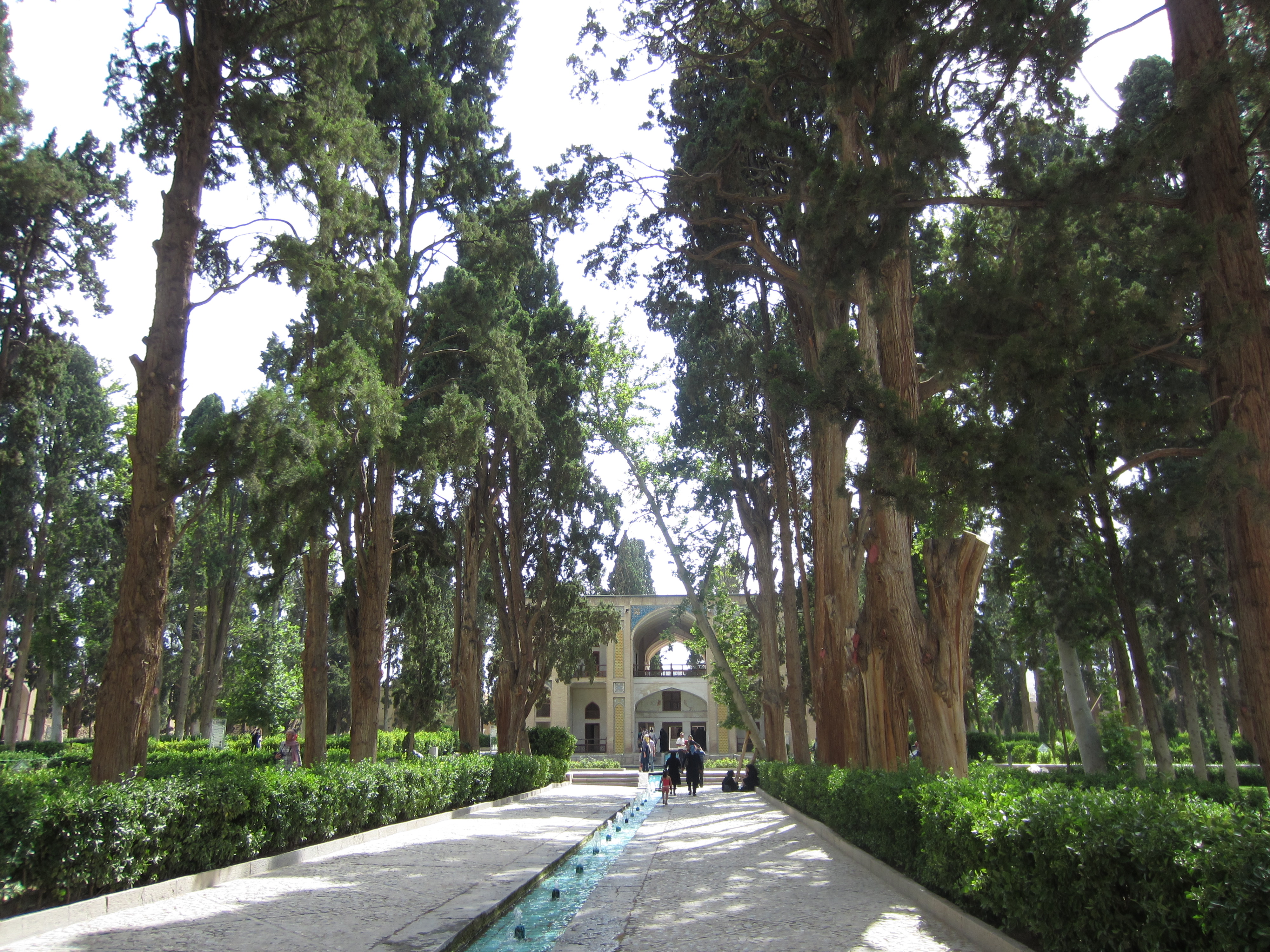
Iran’s Isfahan Province: Kashan – Fin Garden Series
Iran’s 5200-year-old Shahr-e Sukhteh (Burnt City) joins UNESCO World Heritage List
The 5200-year-old Shahr-e Sukhteh (Burnt City) located in southeastern Iran was registered on UNESCO’s World Heritage List on Sunday. The site was registered with no opposing vote during the 38th session of the World Heritage Committee …

Located 57 kilometers from the Iranian town of Zabol in Sistan-Baluchestan Province, the Burnt City was excavated for the first time by the Istituto Italiano per l’Africa e l’Oriente (IsIAO) team led by Maurizio Tosi in 1967. […]
After a 19-year hiatus, a team led by Professor Seyyed Mansur Sajjadi began studies on the Burnt City and conducted 22 seasons of excavations at the site.
A 10-centimeter ruler with an accuracy of half a millimeter, an artificial eyeball, an earthenware bowl bearing the world’s oldest example of animation and many other artifacts have been discovered among the ruins of the city in the course of the 22 seasons of archaeological excavations conducted by Iranian teams. […]
An archaeological team, which will be led by Sajjadi, is scheduled to reconstruct the ancient society of the Burnt City during the new excavation season this year in October.
Sixteen Iranian ancient and historical sites have previously been registered on UNESCO’s World Heritage List.

More photos: Payvand News of Iran
Talesh in province Gilan
The American Soccer Coach on Iran’s Bench

Dan Gaspar coaches Iran’s goalkeepers for 2014’s Football World Cup in Brazil
[…] “It’s been a fantastic experience these last three years in Iran,” Gaspar tells TIME. “I’ve never felt being an American was a detriment. I have found it interesting, and everyone has been very respectful.” […]
“It’s quite a challenge. We look it as an advantage — our guiding principle has always been team above individual,” says Gaspar. “We have established a team that is humble, committed, that’s willing to follow a discipline that we have created.” […]
Read the full story here: Time | The American Soccer Coach on Iran’s Bench
Ali Mosaffa: Awarded Iranian actor and director
Ali Mosaffa (born December 1, 1966 in Tehran) is an Iranian actor and director. His parents are professors for Persian literature at the University of Tehran. His father, Mozaher Mosaffa, is a renowned Persian poet and his mother, Amir Banoo Karimi is the eldest daughter of the Persian poet, Amiri Firuzkuhi.
He is a graduate of Civil Engineering from the University of Tehran where he showed an interest in acting. His acting film debut was 1991 in Omid. In the following year he won the Best Actor Award at the 10th Fajr International Film Festival for his role in Darius Mehrjui’s film, Pari. On the set of Leila, Mehrjui’s 1996 film, met Mosaffa his future wife, Iranian actress Leila Hatami.
He directed his first short film, Incubus, in 1991. Neighbors (Hamsaye-ha) in 1999 was chosen Best Experimental Film at the Iranian Short Film Fest. His first feature film, Portrait of a lady far away (Sima-ye zani dar doordast) starring Leila Hatami and Homayoun Ershadi, in 2005. The film was shortlisted for the Sutherland Trophy at the London Film Festival.
Portrait of a lady far away subsequently won the People’s Choice Award at the Chicago International Film Festival and was nominated for the Crystal Globe at the 2005 Karlovy Vary International Film Festival.
In 2012 was the international premiere of his second film, The last step (Pele-ye akhar) starring Leila Hatami, at the Karlovy Vary International Film Festival, where Leila Hatami received the Best Actress Award and Ali Mosaffa the FIPRESCI Prize.
In October 2012, Mosaffa joined Oscar winning director of A Separation, Asghar Farhadi in Paris; starring alongside Bérénice Bejo and Tahar Rahim for Farhadi’s first foreign language film The Past (Le Passé) which premiered at the Cannes Film Festival in May 2013.
Filmography (as an actor)
– 2014: What’s the time in your world? (Dar donya-ye to saát chand ast?) by Safi Yazdanian
– 2013: The past (Le passé) by Asghar Farhadi
– 2012: The last step (Pele-ye akhar) by Ali Mosaffa
– 2011: Beloved sky (Aseman-e mahboob) by Dariush Mehrjui
– 2010: There are things you don’t know (Chizhaie hast ke nemidani) by Fardin Saheb-Zamani
– 2006: Who killed Amir? (Che kasi Amir ra kosh?) by Mehdi Karampoor
– 2003: Another place (Jayi digar) by Mehdi Karampoor
– 2001: Mix by Dariush Mehrjui
– 2000: Dear Cousin is Lost (Segment in Tales of an Island by Dariush Mehrjui)
– 2000: Party by Saman Moghadam
– 1999: Lost Girls
– 1998: Leila by Dariush Mehrjui
– 1996: Minou Tower (Borje Minou) by Ebrahim Hatamikia
– 1994: Pari by Dariush Mehrjui
– 1992: All My Daughters by Esmail Soltanian
– 1991: Omid by Habib Kavosh
Filmography (as a director)
– 2012: The last step (Pele-ye akhar)
– 2005: Portrait of a lady far away (Sima-ye zani dar doordast)
– 1996: The deceit of poesy (Farib-e-she’r), a documentary short film
– 1999: Neighbors (Hamsaye-ha), short film
– 1991: Incubus, short film
Television Series
– 2000: The English Bag (Keef-e Eenglisi)
– 2007: Paridokht
Awards
– Best Supporting Actor Award at the 13th Fajr International Film Festival for Pari in 1995
– People’s Choice Award for “Portrait of a Lady Far Away”, from Chicago International Film Festival, 2005
– Crystal Simorgh (Phoenix) for Best Adapted Screenplay at the 30th Fajr International Film Festival in 2012 for The last step (Pele-ye akhar)
– FIPRESCI at the Karlovy Vary International Film Festival for The last step (Pele-ye akhar) in 2012
– Best Adapted Screenplay at the 16th Iranian House of Cinema Film Festival for The last step (Pele-ye akhar) in 2014
Sources: Wikipedia | Ali Mosaffa, Festival Scope | Ali Mosaffa
Harvard Business Review: What It’s Like Being a Business Traveler in Iran
With a sense that a new dialogue may be happening between this remarkable culture and the West, about a dozen CEOs from the U.S., U.K., and Canada with extensive experience in emerging markets persevered to take a closer look. […]
Throughout our ten days this month in Tehran, the religious center of Qom and historic Kashan, Isfahan, and Shiraz, little of what we experienced was expected. […]
We almost immediately learned that Iran is an astoundingly lovely place, with very little of the deep poverty one sees intertwined into the societies of most emerging markets. We visited some of the greatest historic and cultural centers we have ever seen. There is an excellent education system – their engineering, in particular, is globally competitive. We didn’t see a fraction of the religious tension we expected. Everywhere we went, people (especially young people) came up to us even on the streets, tourist spots and restaurants to say hello, to thank us for being there, to express affection. […]
Coke and Pepsi were everywhere. […]
Today, in a country of roughly 70 million, there is well over 100% mobile penetration – meaning many people have more than one “dumb” phone – but 3G is coming and their over 60% Internet penetration is rising (albeit service speed is slow by western standards.) […]
And despite the sanctions and difficulty in buying apps, we were told that there are some 6.5 million iPhones in the country. Despite government restrictions for access to social networks, every young person we saw has found works-arounds to access Facebook, Twitter, YouTube and more. […]
The new generations were born after the taking of our Embassy, so it’s not part of their world-view. They have little interest in their parents’ politics or religion, and in being told what to do.
Read the complete post here:
Harvard Business Review | What it’s like being a business traveler in Iran
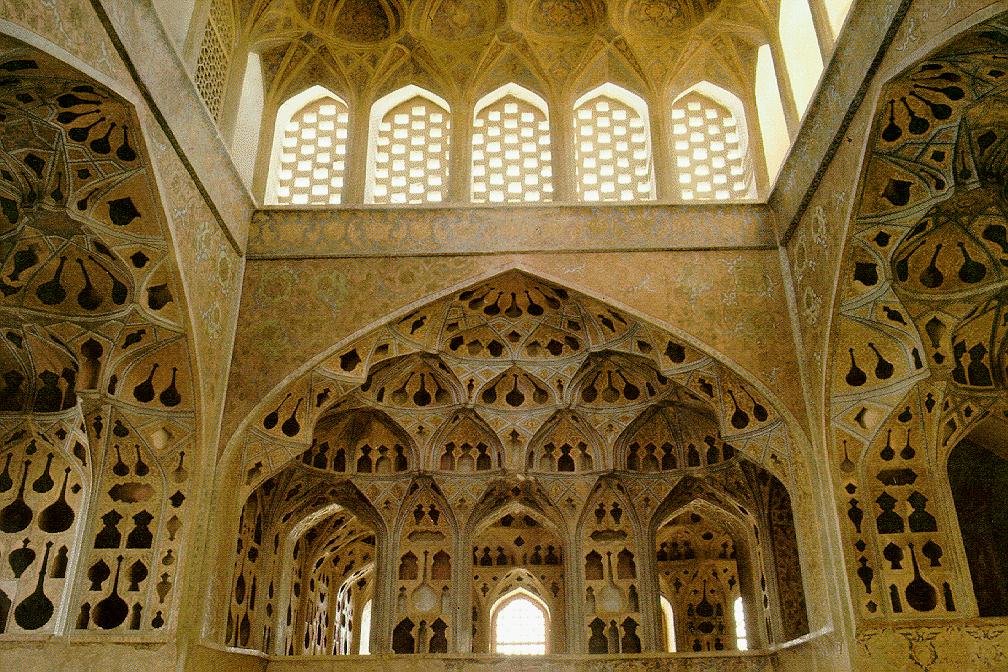
Esfahan – Ali Qapu Palace Music Room
Ali Qapu (Âli Qapı from Ottoman Turkish High Porte) is a grand palace in Isfahan, Iran.
It is forty-eight meters high and there are seven floors, each accessible by a difficult spiral staircase. In the sixth floor music room, deep circular niches are found in the walls, having not only aesthetic value, but also acoustic.
The building, another wonderful Safavid edifice, was built by decree of Shah Abbas the Great in the early seventeenth century. It was here that the great monarch used to entertain noble visitors, and foreign ambassadors.
The chancellery was stationed on the first floor. On the sixth, the royal reception and banquets were held. The largest rooms are found on this floor. The stucco decoration of the banquet hall abounds in motif of various vessels and cups. The sixth floor was popularly called (the music room).
Here various ensembles performed music and sang songs. From the upper galleries, the Safavid ruler watched polo, maneuvers and the horse-racing opposite the square of Naqsh-i-Jahan.
Source: Wikipedia | Ali Qapu
Tehran – Night Series I
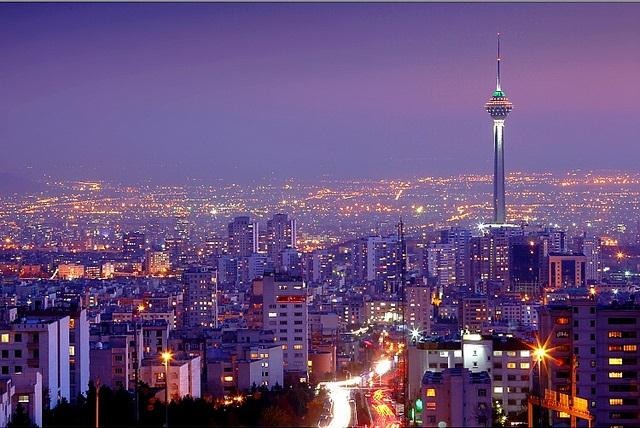
World traveller Nate Robert’s impressions on Tehran in his first 24 hours
The first twenty four hours in Tehran have been amazing. This country *is* different from anywhere I have visited. I’ve already had small but poignant insights to a people I have instantly fallen for. My kind of people. A people facing such stressful times at a national and international level, that they don’t have the time nor inclination to sweat the small stuff. Incredibly welcoming and generous people, very interested in talking to independent tourists – of which there are very, very few. There is a level of calm, happiness, and personal contentedness that just can’t be described, only experienced.
[…]
At this point, I will say there is clearly a gap between the government and the people. But, that gap exists in many, if not all, nations. Who ever heard of a nation where people have nothing but nice things to say about the people in power? It may be more complex than that – the point being, Iran is not so different from the country you live in.
Source: YOMADIC | Iran : Arrived in Tehran, One Way Ticket, No Visa – The First 24 Hours
Photos: Vank Cathedral in Isfahan
Following the Ottoman war of 1603-1605, Armenians began to arrive in Iran in search of a new life under the Safavid King Shah Abbas I.
Shah Abbas I, who settled tens of thousands of them in the Iranian provinces south of Aras River, also relocated Armenians, who had fled from the Ottoman massacre in Nakhchivan to Iran. […]
The Armenian immigrants settled in Isfahan and populated the city’s New Jolfa district, which was named after their original homeland in today’s Azerbaijan Republic. […]
One of the largest and most beautiful churches of Iran, the cathedral was completed in 1664. It includes a bell-tower, built in 1702, a printing press, founded by Bishop Khachatoor, a library established in 1884, and a museum opened in 1905. […]
Built in 1871, the museum contains numerous objects related to the history of the cathedral and the Armenian community of Isfahan, including the 1606 edict of Shah Abbas I establishing New Jolfa and prohibiting interference with, or the persecution of, Armenians and their property and affairs in the district. […]
The Vank museum also houses an extensive collection of photographs, maps, and Turkish documents related to the 1915 massacre of Armenians by Ottoman kings.
Posts about Christians in Iran: The other Iran | Christians
Read the full article at: Payvand News of Iran | Wonders of Iran: Vank Cathedral
Isfahan – Iran’s ethnical diverse Mosaic City host of multiple world heritage sites
A mere hour’s flight south from Tehran, a visit to Isfahan could alone justify a trip to Iran.
It is hard to say whether the city’s immense charm lies in its aquamarine-tiled mosques and elegant gardens and palaces; in its location at the foot of the snow-capped Zagros mountains and along the curve of the Zayandeh river with its fairytale arched bridges; in its unique, majestic urban plaza and its evocative bazaar; or, year-round clear blue skies. Winters here are crisp and cool, summers sizzling, and spring balmy.
Undoubtedly the most elegant city in Iran, Esfahan was the Persian capital for a hundred-year period from 1588, when it flourished under the rule of the arts-loving despot Shah Abbas I. Traditionally a crossroads for international trade and diplomacy, the city has never ceased to wow visitors.
However, Esfahan is more than a living, breathing work of art: it is an industrial supremo, a modern, cosmopolitan city, with a population of over 1.5 million. Ethnically diverse – the Christian and Jewish minority live alongside the Muslims in peace – the streets are alive with the irrepressible vitality of its youthful residents. Whether you strike up a conversation with a local, lose yourself in the winding alleys of the old quarter or relax in one of the city’s cosy teahouses, you too will fall under Esfahan’s spell.
What to do First stop has to be Naqsh-e Jahan Square, in the centre of town. Begun in 1602 and originally used as a polo ground, it’s one of the world’s largest – beating Russia’s Red Square – and is now a UNESCO world heritage site.
The grassy fountain-filled courtyard is the perfect spot for people-watching, a picnic or simply soaking up the splendid monuments that surround it, such as the massive Imam Mosque complex. Adjacent to the Imam Mosque is the more intimate Sheikh Lotfollah Mosque – its intricately tiled dome never fails to mesmerise visitors.

Ali Qapu Palace, Isfahan, Fars Province
Opposite it, is the Ali Qapu Palace, one time roost of the Safavid rulers, and at the far end is the entrance to the Grand Bazaar. It, like the covered arcade that runs around the square, is your best bet for booty: miniature paintings, decorative tiles, enamel vases and plates, jewellery, carpets, clothes and accessories – from colourful scarves, to fake designer handbags, rupushes, a type of long coat, and hijabs – as well as nuts and sweets. The city is famous for gaz, a type of nougat.
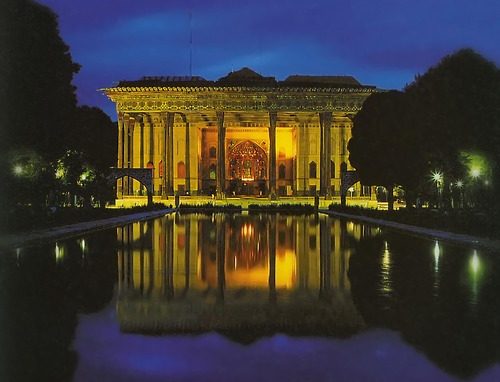
Chehel Sotun, Isfahan, Fars Province
Drag yourself away, if you can for another opportunity to savour high Persian culture in the form of Chehel Sotun Palace, with its mirror work, pillared hall and landscaped gardens, now filled with gaggles of friendly students. Conveniently, it’s also in the vicinity of the Museum of Contemporary Art, which exhibits works by both local and international artists.
Don’t forget to check out Jolfa, the Armenian quarter, south of the Zayandeh River. It’s dotted with churches, including Vank Cathedral which is famous for its striking religious tableaux. Whatever you do, be sure to take a sunset stroll along the banks of the river to the striking Khaju Bridge, a discreet haunt for courting couples.
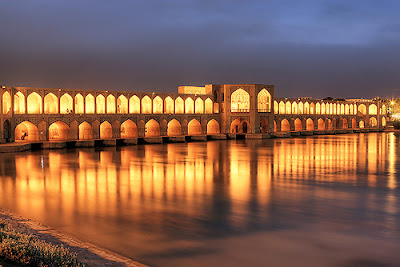
Khaju Bridge, Isfahan, Fars Province
Tabriz, one of the historical capitals of Iran and the capital of East Azerbaijan Province
Tabriz is the fourth largest city and one of the historical capitals of Iran and the capital of East Azerbaijan Province. The estimated population of the city is around 3,000,000; the fifth most populous city in Iran.
With a rich history, Tabriz contains many historical monuments, but repeated devastating earthquakes and several invasions during frequent wars have substantially damaged many of them. Many monuments in the city date back to the Ilkhanid, Safavid, and Qajar periods,among them is the large Tabriz Historic Bazaar Complex which is inscribed as a World Heritage Site in 2010. The oldest signs of the civilization in the city is an excavation site and museum in the city center with a history that dates back 2500 years.
Source: Wikipedia | Tabriz
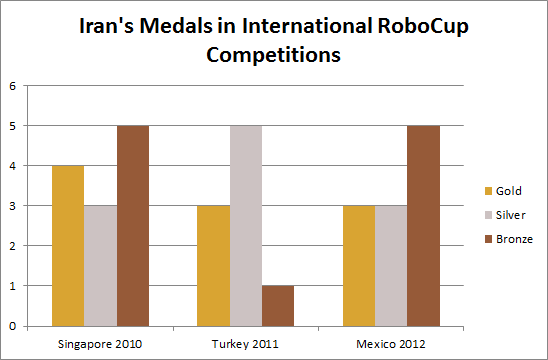
Iran’s impressive trackrecord in RoboCup
Sources: RoboCup 2010, RoboCup 2011, RoboCup 2012
The first gold medal in RoboCup that I can remember of goes back to 1999. Unfortunately I only have german sources for that: derStandard.at, heise.de
About RoboCup
RoboCup is an annual international robotics competition founded in 1997. The aim is to promote robotics and AI research, by offering a publicly appealing, but formidable challenge. The name RoboCup is a contraction of the competition’s full name, “Robot Soccer World Cup”, but there are many other stages of the competition such as “RoboCupRescue”, “RoboCup@Home” and “RoboCupJunior”. (Source: Wikipedia | RoboCup)
Iran’s Fars Province: World Heritage Site – Eram garden in Shiraz
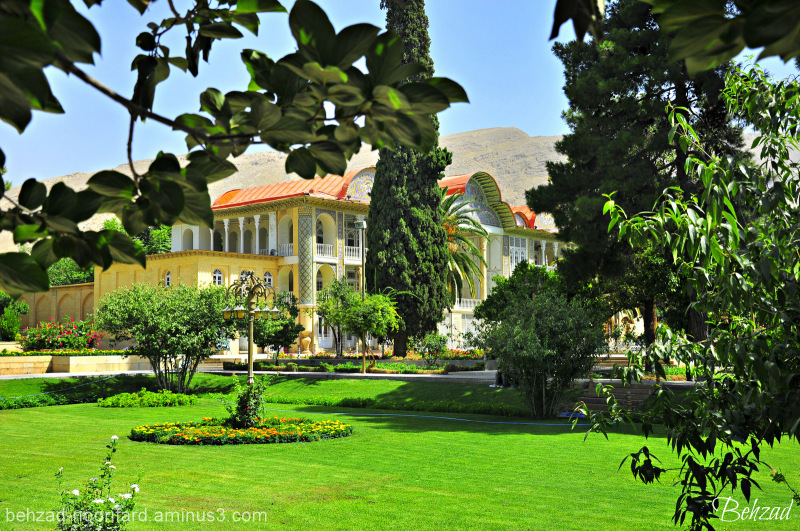
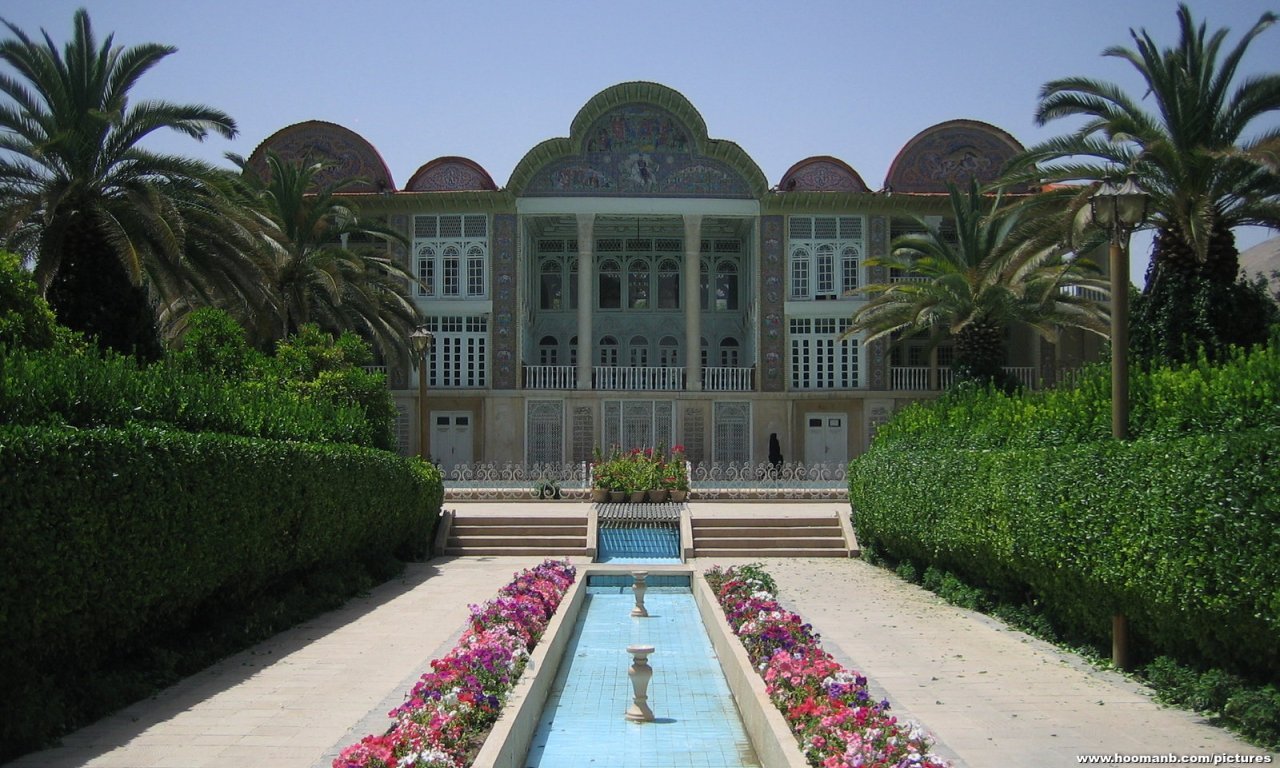
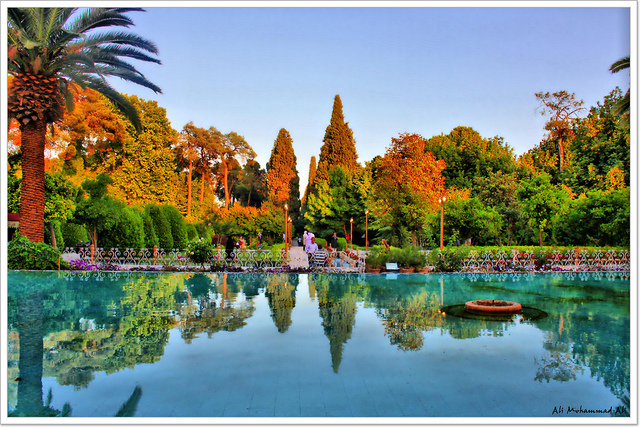
Today Eram Garden and Qavam House are within Shiraz Botanical Garden (established 1983) of Shiraz University. They are open to the public as a historic landscape garden and house museum. They are World Heritage Site, and protected by Iran’s Cultural Heritage Organization.
Source: Wikipedia | Eram Garden
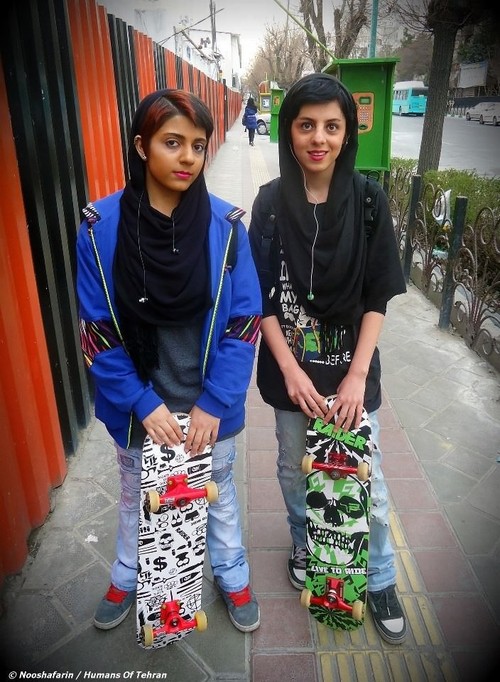
Photo: Youth in Iran, not unlike young people in other parts of the world
Rick Pettigrew invited as Juror to a film festival in Iran
In December 2013, Rick Pettigrew was invited to Tehran, Iran to be juror at the documentary film festival Cinema Verite. Here is a look at his experience:
About Richard Pettigrew
Currently serving as Board President and Executive Director of ALI, Dr. Pettigrew received his B.A. (1970) from Stanford University and his M.A. (1972) and Ph.D. (1977) from the University of Oregon.
Read more: The Archeology Channel | Richard Pettigrew
9th RoboCup Iran Open – International competition kicked of in Tehran with 388 teams from US, UK, France, Portugal, Italy, Germany, …
The 9th RoboCup Iran Open competitions and symposium officially kicked off in Tehran on Wednesday. This event provides an environment to present and share scientific achievements in the areas of Artificial Intelligence (AI) and Robotics.
The competition hosts 388 teams from Iran, US, UK, France, Portugal, Italy, Germany, Sweden, The Netherlands, Brazil, Mexico, Japan, China, Thailand, India, Pakistan, UAE, Canada, Turkey, Colombia, Egypt and Indonesia.
Iran’s international robocup competition is among the top premier robotic competitions worldwide.
Source: Payvand | Photos: 9th International Robocup Competition Kicks Off In Tehran
Article on some of Iran’s RoboCup successes in the near past:
The other Iran | Iran’s impressive trackrecord in RoboCup
Photos: Nakhcheer cave, approximately 70 million years old limestone cave in Iran
Nakhcheer or Chal-Nakhjir is a cave situated in Markazi Province of Iran. It is a limestone cave approximately 70 million years old. It was discovered in 1989 and registered as a national monument in 2001. Its interior is made of crystals, dolomite sediments, stalactites and stalagmites.
More fascinating pictures: Payvand News of Iran | Photos: Nakhcheer cave
World class US and European skateboarders skating in Iran
While skateboarding has a firm footing across major cities of the world, Iran certainly isn’t a name you’d associate with skating. Bridging an in-depth skateboarding video with documentary film, Thrasher Magazine and producer Patrik Wallner venture into Iran for an episode of “Visualtraveling.”
Here, they meet MJ, skateboard enthusiast and skate deck craftsman who takes the crew through the country. Running into their fair share of challenges, the crew of skaters find out first hand what it’s like to skate in the Persian region. Clocking in at just under 30 minutes, the film is a mind-expanding piece that’s definitely worth your while.
Other USA – Iran related articles: The other Iran | Tag | USA
Source:
HYPEBEAST | Thrasher Magazine travels to Iran for “Visualtraveling: The Persian Version”
Blog recommendation: American woman backpacking in Iran
Read the blog and enjoy Silvia’s descriptions and pictures. Here are the links to the posts on Iran:
http://www.heartmybackpack.com/blog/backpacking-solo-through-iran/
http://www.heartmybackpack.com/blog/kafka-cigarettes-tehran/
http://www.heartmybackpack.com/blog/isfahan-iran/
If you are lazy just read some quotes here and go to the links to enjoy the pictures:
“I mean, Iran is home to one of the world’s oldest civilizations, hosts thirteen UNESCO World Heritage Sites, and boasts beautiful landscapes stretching from dense rain forests to snowcapped mountains to desert basins. Plus, so many travelers whom I met in Central Asia absolutely raved about Iran. The hospitable people, delicious food and historic sites – how could I not add Iran to my travel itinerary?”
“My first Couchsurfing hosts in Tehran, a young Ph.D. student and her roommate, said they were so excited to be hosting an American girl, and that they hope more tourists will start to come to Iran. They were incredibly warm and welcoming hosts, cooking delicious Persian food and asking me countless questions about Norway and the U.S. and foreigners’ impressions of Iran.”
“The thing is, I haven’t felt alone once since I landed in Iran. The receptionist at my first hotel took me in as her daughter, accompanying me to breakfast and lunch and suggesting sites for me to visit, my Couchsurfing hosts were like cool older sisters, chatting with me about religion and politics as well as the plot twists of Lost and J-Lo’s divorce (I’m so out of touch), and Rana truly has adopted me as her sister, with an invitation to lunch turning into a trip to visit Esfahan and then several days with her family in Tehran.”
“So far my experience in Iran has only been one of warmth and hospitality, and really, really amazing food! Though, in a few hours Rana and I are heading to Marivan, a small Kurdish city on the border to Iraq. So you know, maybe I’ll have some more eventful things to share from there! (Kidding, family, Kurdistan is of course totally safe.)”
“My stay in Tehran was far too short and left much of the city unexplored, but I did leave with an overwhelming crush on a city so full of life and passion. Shopkeepers greeted me with warmth (if also a degree of surprise), and the discussions I had with people there were always filled with genuine interest and reflection. ”
“While now a bustling modern city, Isfahan was once one of the largest cities in the world as it sat on a major intersection of the main north-south and east-west routes crossing Iran. We seemed to stumble on reminders of Isfahan’s past glory around every corner, from impressive squares and tree-lined boulevards to covered bridges, palaces and mosques.”
“Moreover, while Isfahan might be dominated by Islamic architecture, the city is also home to important Christian, Jewish and Zoroastrian sites. Rana and I visited the Church of Saint Joseph of Arimathea, built by an Armenian community that settled in Isfahan in the early 1600s.”
Ok if you read so far, just make sure to visit the links above
Iranians participating in Earth Hour 2014 throughout Iran
Earth Hour is a worldwide movement for the planet organized by the World Wide Fund for Nature (WWF). The event is held worldwide annually encouraging individuals, communities, households and businesses to turn off their non-essential lights for one hour, from 8:30 to 9:30 p.m. on the last Saturday in March, as a symbol for their commitment to the planet.
Source: Wikipedia
Sardasht in Province Kurdistan, Iran

Sardasht in Iran’s Province Kurdistan
Iranian players handed white roses (a symbol of peace in Iran) to the US players prior to soccer match
All must read USA – Iran posts: The other Iran | Tag | USA
The game was an exceptionally fair game and both teams received the 1998 World Cup FIFA Fair Play Award “for the two countries’ good sportsmanship surrounding the World Cup match between their teams, despite their mutual political tensions for nearly 20 years.”
Below more photos from the match and the episode “Breaking Barriers: USA vs. Iran, 1998” from Fox Sports’ “Rise as One Series”:
Loris Tjeknavorian: Armenian-Iranian composer and holder of Iran’s “Top Medal of Art”
Loris Tjeknavorian (also spelled Cheknavarian) is an Iranian-Armenian composer and conductor. He was born in 1937 in Borujerd in the province of Lorestan, southwestern Iran, and was educated in Tehran.
In the course of his career, Tjeknavarian has made about 100 recordings (with RCA, Philips, EMI, ASV, etc.) and written more than 75 compositions (symphonies, operas, a requiem, chamber music, concerto for piano, violin, guitar, cello and pipa (Chinese lute), ballet music, choral works and an oratorio. And over 45 Film mosaics.
Tjeknavarian also has conducted international orchestras throughout the world: in Austria, UK, US, Canada, Hungary, Iran, Finland, former USSR, Armenia, Thailand, Hong Kong, South Africa, Denmark, Israel, etc. In October 2010 he became the Music Director and Principal Conductor of the Glendale Symphony Orchestra in Southern California. Glenn Treibitz, president of the Glendale Symphony said; “with Loris Tjeknavorian at the helm, our orchestra will automatically become one of the most prominent in the Western USA.”
Awards
– Austria’s Presidential Gold Medal of Artistic Merit (2008)
– Austria’s Cross of Honor for Science and Art, first class (2008)
– Awarded “Top Medal of Art”, Iran’s highest medal for performing arts (2002)
Sources: Wikipedia | Loris Tjeknavorian
About famous Armenian churches in Iran and Armenian Iranians in general
One of the finest examples of Iranian architecture in the neighborhood of Vanak is an Armenian chapel, Surp Khatch. Surp Khatch Chapel holds a peculiar significance within Armenian-Iranian life.
There are dozens of Armenian churches within Iran, mostly in Tehran and the western provinces. Vank in New Julfa deserves special recognition, of course, for its role as the heart of the Isfahani community, brought to Persia by Shah Abbas I in the 17th century.
The Prelacy – the bureaucratic head of the Armenian Church in Iran – makes its home in Saint Sarkis, a church that dates back to 1970.
Armenian-Iranian architecture, particularly Surp Khatch, fits comfortably within the Iranian modernist idiom. The situation of Armenians (and other Christians) in Iran is of course far more normal than prevailing Western discourse may have an outside observer understand. Armenians have different treatment from most Iranians, with special privileges to consume pork, alcohol, and having Sundays off that Muslims do not enjoy. But they are still effusively Iranian. Surp Khatch, for example, was built in part to memorialize the thousands of Armenian service members killed in the Iran-Iraq War. When Teymourian (popular Armenian Iranian football star) crosses himself before a match, his countrymen cheer this act as the mark of a pious Iranian.
The negotiating of political space for religious minorities in an explicitly Islamic Republic is an ongoing political issue that is going strong on its fourth decade. But political concerns hardly frame daily life; Armenians and other religious minorities in Iran generally name their primary concerns as drug use and a rapidly deteriorating economy. The communities’ problems aren’t necessarily their status as minorities, but the general problems that stem from being Iranian. Indeed, minorities in Iran are well-integrated not only socially and culturally but politically as well. There are five Armenians in Parliament (compared to four Assyrian and Chaldean Christians, three Jews, and two Zoroastrians in the 290-seat Majlis). There are also Armenian observers to the Expediency Council and the Guardian Council.
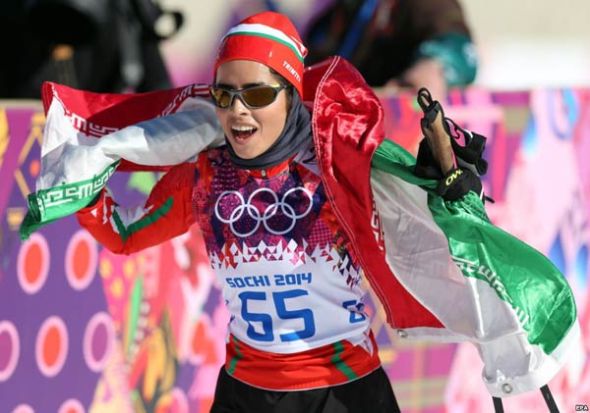
Farzaneh Rezasoltani: female cross-country skier

Farzaneh Rezasoltani, first female cross-country athlete from Iran at Sochi Winter Olympic Games (2014)
Farzaneh Rezasoltani, born on September 13, 1985, is a cross-country skier competing for Iran. She is the first Iranian female athlete to participate in an international cross-country competition (World Ski Championship at Val di Fiemme, Italy, 2013).
The 2014 Winter Olympics in Sochi is her second international competition. She crossed the finish line in 42:31:03, achieving the 73rd place. This is the first time Iran has sent a female athlete to participate in cross-country skiing competitions at the Olympic Games.
Information on her current competitions:
International Ski Federation | Biographies | Farzaneh Rezasoltani
Sources: Wikipedia | Farzaneh Rezasoltani, Iran Ski Federation | News
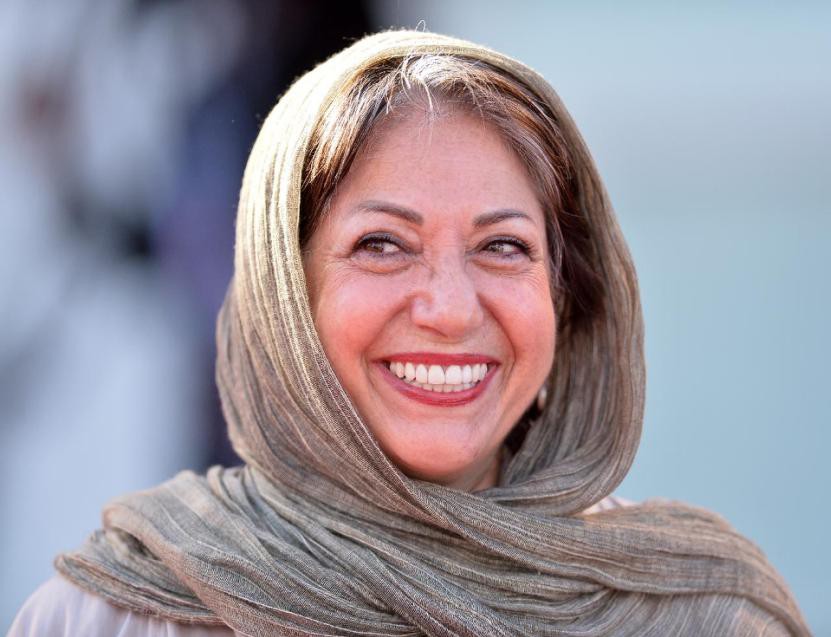
Rakhshan Bani-E’temad – Film director and screenwriter: “First Lady of Iranian Cinema”

Iranian director Rakhshan Bani-Etemad arrives for the screening of her movie “Ghessea” (Tales) at the 71st Venice Film Festival on August, 2014 (AFP Photo/Tiziana Fabi)
Rakhshan Bani-E’temad, (Persian: رخشان بنی اعتماد, born April 3, 1954 in Tehran, Iran) is an internationally and critically acclaimed Iranian film director and screenwriter. She is widely considered Iran’s premier female director, and her films have been praised at international festivals as well as being remarkably popular with Iranian critics and audiences.
Her title as “First Lady of Iranian Cinema” is not only a reference to her prominence as a filmmaker, but it also connotes her social role of merging politics and family in her work.
Bani-E’temad did not receive immediate praise upon entering the film industry. Her early feature films were met by harsh criticism. However, she finally earned critical and popular success in 1991 with her film Nargess. She received the Best Director Award from the Fajr Film Festival, marking the first time in the history of the festival that a woman was awarded the Best Director prize.
Bani-E’temad’s films are considered socially and politically conscious social documentaries. She aims to reflect the realities of Iranian people’s daily life experiences. Her documentaries are centered on issues of poverty, criminality, divorce, polygamy, social norms, cultural taboos, women’s oppression, and cultural expectations.
With her 2002 film Our Times, Bani-E’temad became the first female filmmaker to explicitly confront the Iran-Iraq war, placing her in an important role in Iranian film history. She has been known to challenge censorship codes to the very edge.
She has donated her international prize for the movie Ghesseh-ha to build a shelter for homeless women. Previously she has also donated some of her awards to help disadvantaged women.
Filmography (as a director)
– 1986: Kharej az Mahdudeh (Off-Limits)
– 1988: Zard-e Ghanari (Canary Yellow)
– 1989: Pul-e Khareji (Foreign Currency)
– 1992: Nargess
– 1995: Rusari Abi (The Blue-Veiled)
– 1998: Banoo-ye Ordibehesht (The May Lady)
– 1999: Baran-O-Bumi (Baran and the Native – short)
– 2001: Zir-e Pust-e Shahr (Under the Skin of the City)
– 2002: Ruzegar-e ma (Our Times – documentary)
– 2004: Gilane
– 2006: Khoon Bazi (Mainline)
– 2009: We Are Half of Iran’s Population
– 2014: Ghesseh-ha (Tales)
Honors and Awards
– Bronze Leopard, 48th Locarno Film Festival (for The Blue-Veiled) (1995)
– The Prince Claus Award (1998)
– Special Golden St. George, 23rd Moscow International Film Festival (for Under the Skin of the City) (2001)
– Best Achievement in Directing, Asia Pacific Screen Awards (for Mainline, with Mohsen Abdolvahab) (2007)
– Honorary doctorate, SOAS, University of London (2008)
– Best Screenplay Award, 71st Venice International Film Festival (for Tales, with Farid Mostafavi) (2014)
Sources: Wikipedia | Rakhshan Bani-E’temad
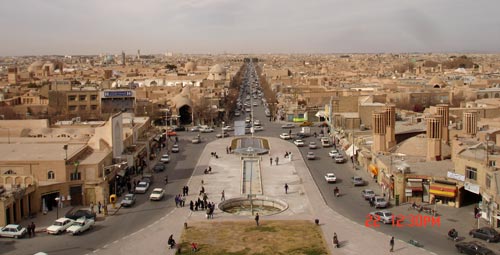
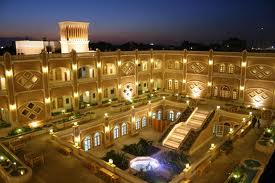
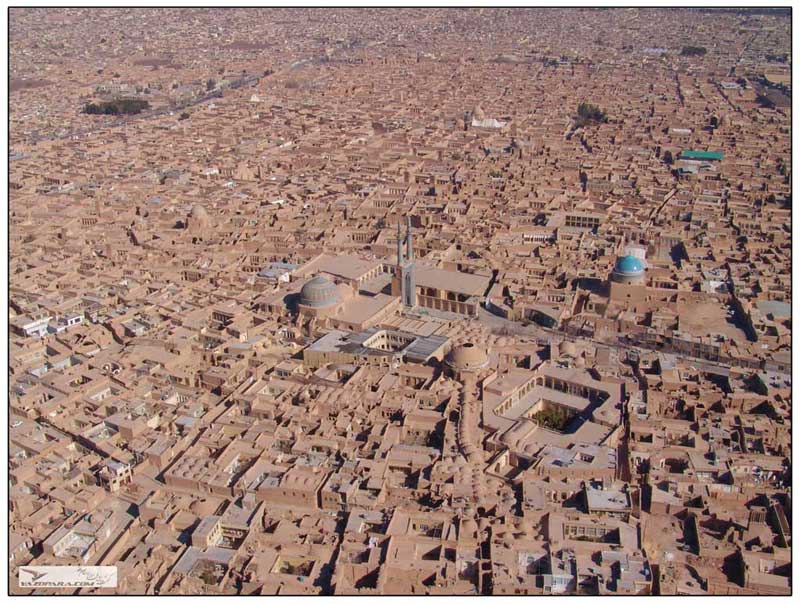
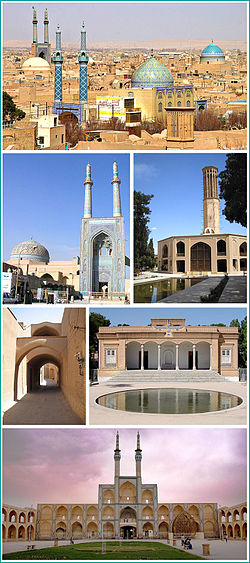
Yazd, one of the oldest cities of the world
http://en.wikipedia.org/wiki/Yazd
“Yazd (
pronunciation (help·info) [jæzd]; Persian: یزد)[1] is the capital of Yazd Province, Iran, and a centre of Zoroastrian culture. The city is located 270 km (170 mi) southeast of Isfahan.”
…
“The city has a history of over 3,000 years, dating back to the time of the Median empire, when it was known as Ysatis (or Issatis)”
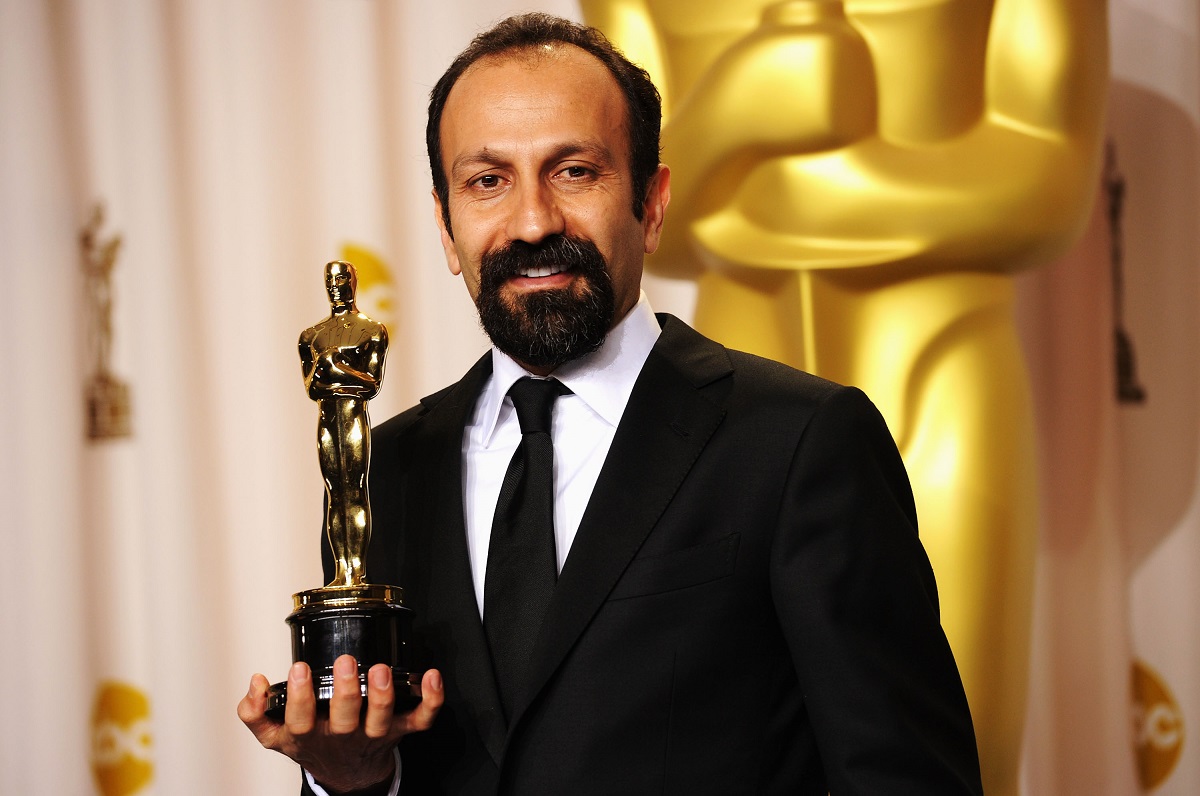
France honors the Iranian filmmaker Asghar Farhadi with L’Ordre des Arts et des Lettres (the Order of Arts and Letters)
The culture minister of France presents the order to a person who has made significant contributions to the arts, literature, or the dissemination of these fields.
Farhadi made his latest film “The Past” in France. The French-language drama brought its star Bérénice Bejo the Palme d’Or for Best Actress at the Cannes Film Festival in 2013. He received the first EU MEDIA prize for “The Past” in 2012 when the film was in its preproduction stage.
His previous film “A Separation” won the Oscar for best foreign-language film at the Academy Awards in 2012. He previously received France’s César award for best foreign film for “A Separation”.
Source: Tehran Times
Tahmineh Milani highly awarded Iranian female film director, screenwriter, and producer
Tahmineh Milani is an Iranian film director, screenwriter, and producer.
Milani was born 1960 in Tabriz, Iran. After graduating in architecture from the University of Science and Technology in Tehran in 1986, she apprenticed as a script girl and an assistant director following a screen workshop in 1979. She started her career as a movie director with Children of Divorce in 1989.
Feminist filmmaker Milani is known for touching controversial and sensitive issues, including women’s rights.
Among her most notable films are Children of Divorce, Two women, The Hidden Half, The Fifth Reaction, The Unwanted Woman and Cease Fire.
Filmography (as a director)
– 1989: Bach’che’ha-ye Talagh (Children of Divorce)
– 1991: Afsaneh-ye Ah (The Legend of Sigh)
– 1992: Digeh che khabar? (What Else Is New?)
– 1996: Kakadu
– 1999: Do Zan (Two Women)
– 2001: Nimeh-ye Penhan (The Hidden Half)
– 2003: Vakonesh Panjom (The Fifth Reaction)
– 2005: Zan-e Ziadi (The Unwanted Woman)
– 2006: Atash Bas (Cease Fire)
– 2007: Tasvie Hesab (Settling Scores)
– 2008: Superstar
– 2011: Yeki Az Ma Do Nafar (One of Our Two)
– 2014: Atash Bas 2 (Cease Fire 2)
Awards and honors
– 2006: Best director, Best film and Best screenplay at the 51st Asia Pacific Film Festival for The Unwanted Woman
– 2005: Best film Los Angeles Film Festival for The Unwanted Woman
– 2003: Grand Prix ‘Cinéma Tout Ecran’, Geneva Cinéma Tout Ecran for The Fifth Reaction
– 2003: Best Screenplay at the 27th Cairo International Film Festival for The Fifth Reaction
– 2001: Best Artistic Contribution at the 25th Cairo International Film Festival for the The Hidden Half
– 1999: Award for best screenplay at Iran’s Fajr International Film Festival for Two Women
Source: Wikipedia | Tahmineh Milani
Spanish cartoonist wins Golden Tooba at Fajr International Festival of Visual Arts in Iran
Spanish cartoonist David Vela Cervera won the Golden Tooba (Tree of Heaven) in the cartoon section at the 6th Fajr International Festival of Visual Arts.
Six Iranian artists received the Lifetime Achievement Award: Illustrator Gholamali Maktabi, graphic designer Ebrahim Haqiqi, miniaturist Mohammad-Baqer Aqamiri, cartoonist Javad Alizadeh, sculptor Taher Sheikholhokamaii and painter Iraj Eskandari.
David Vela Cervera was born in 1967 in Zaragoza, Spain. He graduated at the University of Zaragoza, with the degree of Doctor in Spanish Philology specializing in the graphic illustration of the first third of the 20th century. He is working as a freelance artist concentrated mainly to illustrations and creations of cartoons. David Vela participated at many international cartoon competitions winning won various prizes and mentions.
Source: Payvand Iran News, Cartoon Gallery | David Vela, jamaran.ir
IRAN Documentary Yesterday and Today : Rick Steves
Description
Rick takes us beyond Europe to Iran, a place that’s rich with history… and mystery. Visiting Tehran, Shiraz, Persepolis, and a small village, we’ll get a rare present-day look at some of civilization’s most important historical sites, and a sense of Iran’s 21st-century culture. From architecture and art to faith and everyday living, “Rick Steves’ Iran” offers a rare, candid, and humanizing look at a powerful and perplexing nation. – Rick Steves’ Iran Pledge Special
I was actually scared to go to Iran. We almost left our big camera in Athens and took our little sneak camera instead. I thought people would be throwing stones at us in the streets. And when I got there, I have never felt a more friendly welcome because I was an American. It was just incredible. I was in a traffic jam in Tehran, a city of 10 million people, and a guy in the next car saw me in the back seat and had my driver roll the window. He then handed over a bouquet of flowers and said, “Give this bouquet to the foreigner in your back seat and apologize for our traffic.” […]
”Steves has produced a loving portrait of the demonized country. Characteristic Steves-on-the-street interviews open closed minds to the sophistication of Iranian citizens and their lack of antipathy toward Americans. In one scene, a man in a car pokes his head out the window and says to Steves, “Your heart is very kind.” […]
He wants us to please shed our geographic ego. “Everybody should travel before they vote,” he has written.
Read more here: SALON | The other side of Rick Steves
Photos: Swans arrive from Siberia in Sorkhroud, northern Iran
In the recent years, during winter about 5000 swans migrate from Siberia to the wetlands of the Caspian town of Sorkhroud in northern Iran. The swans return back to Siberia after the the cold season ends. The swans bring life and beauty to the wetlands and attract many visitors. Environmental activists are also busy trying to educate the public to be a good host to their guests!
More beautiful pictures at: Payvand News
A possible revival of Tehran’s and Iran’s National Symphony Orchestras
WASHINGTON — Alexander Rahbari fondly recalls his last stint conducting the Tehran Symphony Orchestra. It was the fall of 2005, Beethoven’s Ninth Symphony was on the card, and the Iranian capital’s Vahdat Hall was packed.
“I conducted Beethoven’s Ninth in Tehran for seven nights. If I said I conducted the Ninth for seven nights in New York or Austria, I would be asked if there was anyone in the audience — after two nights the hall would be empty,” Rahbari said.
“But [in Tehran] it was full — so many people came. Later some newspapers complained that, after returning to Iran after so many years, I conducted the symphony for only seven nights.” […]
In 2012, the funding problems that Rahbari and his successors complained about silenced the Tehran Symphony Orchestra, whose roots dating back to the 1930s made it one of the oldest in the Middle East.
Meanwhile, Iran’s National Orchestra, founded by Iranian-born composer and conductor Farhad Fakhreddini in 1998, suffered similar difficulties. Fakhreddini himself resigned in 1999, and the orchestra that performed only classical Iranian music dissolved in October 2012. […]
The election of President Hassan Rohani in 2013 has provided a glimmer of hope for the country’s orchestra scene, however.
“I’m very sorry that the [Tehran] Symphony Orchestra and the National Orchestra have been shut down,” Rohani said in a January 8 speech to artists and cultural figures. “This government will revive them in the coming months.” […]
Iran’s culture minister, Ali Jannati, added to the optimism when he said at the Fajr International Music Festival last week that the government aims to strengthen Music.
Another view on Iran (where according to Netanyahu you cannot wear Jeans)
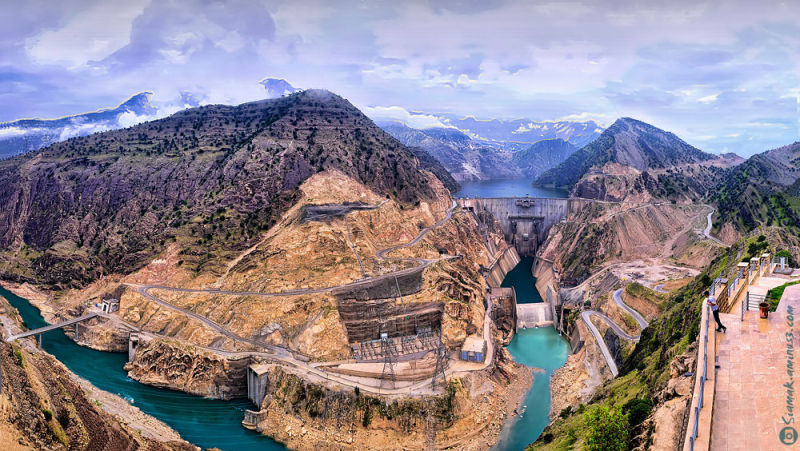
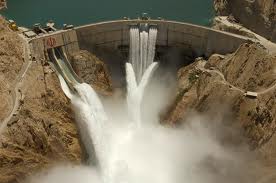
Karun-3, a dam in Southern Iran
http://en.wikipedia.org/wiki/Karun-3_Dam
“The purpose of the dam is for power generation and flood control. The Karun III power generators are connected to the national power network as the peak power generation. With this power plant being operated, with the capacity of 2,280 MW,[4] and an average annual electric power generation of 4,137 GWh, a major portion of the electric power shortage in the country will be met.”
The Iran Job – The story of an American basketball player in Iran
The Iran Job was shortlisted for the German Film Award and will therefore screen at the Berlinale – Feb 13 at 2pm at Zoo Palast 2 – followed by a Q&A.
Source: The Iran Job | E-Mail Campaign
Airplane Overhaul Facility in Mashhad, Eastern Iran
Mashhad International Airport is the country’s second busiest airport only to Tehran Mehrabad Airport.
The airport also houses an overhaul facility for light and heavy aircraft where the specialists are engaged in rebuilding and modernizing the air transportation system of the country.
Source: Payvand News of Iran
Researchers at Iran’s Sharif University received a US patent
“Researchers at Iran’s Sharif University of Technology managed to receive a US patent issued under the title of ‘Single-Sided Dye-Sensitized Solar Cells Having A Vertical Patterned Structure’ and publication number of US20110220192.”
““We have proposed a novel structure for the solar cells which can eliminate the unnecessary formation of the conductive glasses–a major cost-intensive byproduct in the course of solar cells manufacturing,” Nima Taqavinia, associate professor at Sharif University of Technology, was quoted”
Ancient Iran in The British Museum
http://www.britishmuseum.org/explore/galleries/middle_east/room_52_ancient_iran.aspx
“Iran was a major centre of ancient culture. It was rich in valuable natural resources, especially metals, and played an important role in the development of ancient Middle Eastern civilisation and trade. Room 52 highlights these ancient interconnections and the rise of distinctive local cultures, such as in Luristan, during the age of migrations after about 1400 BC.”
Photos: Heavy Snow in Rasht, Northern Iran
First snow of the winter season gave a white cover to the caspian coast city of Rasht in northern Iran on Saturday. Rasht is the capital of Gilan Province and the largest city on Iran’s Caspian Sea coast with a population of 551,161 (2006 census). Rasht is a major trade center between Caucasia, Russia and Iran using the port of Bandar-e Anzali. Rasht is also a major tourist center with the resort of Masouleh in the adjacent mountains and the beaches of Caspian as some of the major attractions.
Gilan has a humid Subtropical climate with plenty of annual rainfall, while Rasht is known internationally as the “City of Silver Rains” and within Iran as the “City of Rain”. The Alborz range provides further diversity to the land in addition to the Caspian coasts. Despite of the abundant humidity, Gilan is known for its moderate, mild and Mediterranean-like climate.
More photos: Payvand News of Iran