Category Archives: Culture

Iran to hold first Intl. Shakespeare conference October 23, 2014 in Tehran

Organized by the Faculty of Foreign Languages and Literatures, the University of Tehran, the conference will run from October 22 through October 23, 2014 in Tehran.

William Shakespeare is considered the world’s greatest playwright. He is survived by 38 plays, 154 sonnets and two long narrative poems.

His plays have been translated into every major living language and are frequently staged all around the globe.

Leading Shakespeare scholars as well as the admirers of the Bard will be attending the conference.

The event will be chaired by Dr. Maryam Beyad and Dr. Ismail Salami, the two Iranian Shakespeare scholars and professors at the University of Tehran.

http://www.islamicinvitationturkey.com/2014/04/15/iran-to-hold-first-intl-shakespeare-conference/

358652_Conference-Shakespeare Studies-University of Tehran

Fakhreddini and Sahbaii return to Iran’s National Orchestra and Tehran Symphony Orchestra

Farhad Fakhreddini and Manuchehr Sahbaii have been hired to conduct Iran’s National Orchestra and the Tehran Symphony Orchestra (TSO), two ensembles, which were almost dismantled over the past five years.

Left: Tehran Symphony Orchestra Conductor Manuchehr Sahbaii
Right: Iran’s National Orchestra Conductor Farhad Fakhreddini

http://www.payvand.com/news/14/apr/1051.html

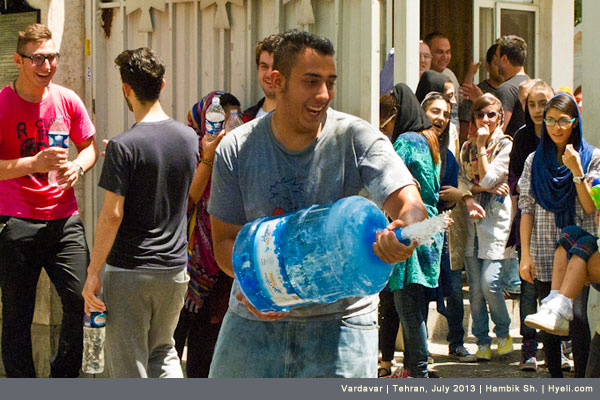
Armenians of Tehran Celebrate Vardavar

Visit this great blog to learn more about Armenians and Armenian Iranians in particular. The blog has lots of nice photos and posts.

Hambik Sh.'s avatarHayaxk (ՀԱՅԱՑՔ)

07_07_2013_vardavar

Vartavar (also known as Vardevar or Vardavar) is an Armenian festival, where people of all ages drench each other with water.

View original post 48 more words

Marcos Grigorian – Armenian-Iranian artist and a pioneer of Iranian modern art


Marcos Grigorian (December 5, 1925 – August 27, 2007) was a notable Iranian-Armenian artist and a pioneer of Iranian modern art. In 1975 Grigorian helped organize the group of free painters and sculptors in Tehran and was one of its founder members. Artists Gholamhossein Nami, Massoud Arabshahi, Morteza Momayez and Faramarz Pilaram were amongst the other members of the group.

Grigorian was a trend setter in experimenting with Earth Art, in Iran. Some of his works are now on display at the Museum of Modern Art in New York, the Tehran Museum of Contemporary Art, the Museum of Contemporary Art in Kerman, and the National Gallery of Armenia. Ref. Wikipedia, iranicaonline.org

Rakhshan Bani-E’temad – Film director and screenwriter: “First Lady of Iranian Cinema”

Bani-E'temad, Rakhshan - Iranian film director and screenwriter

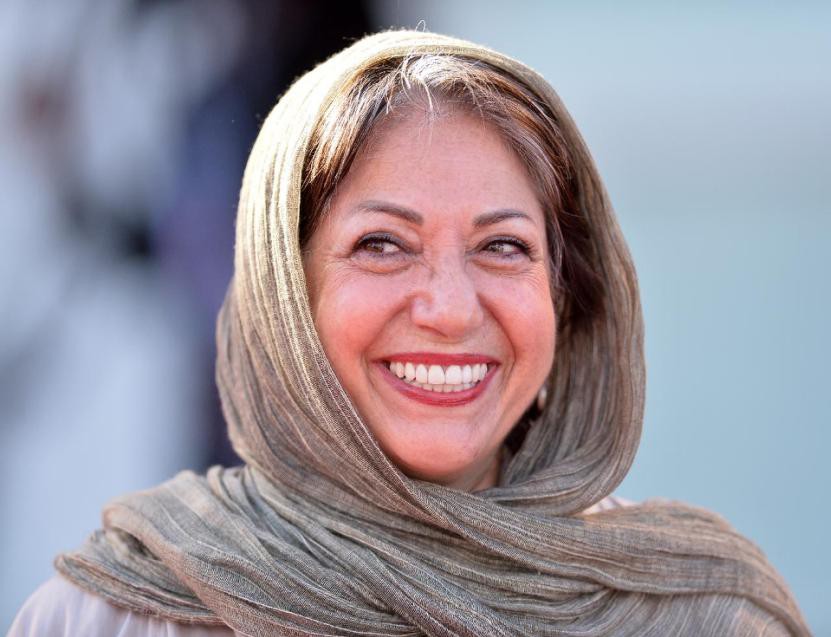
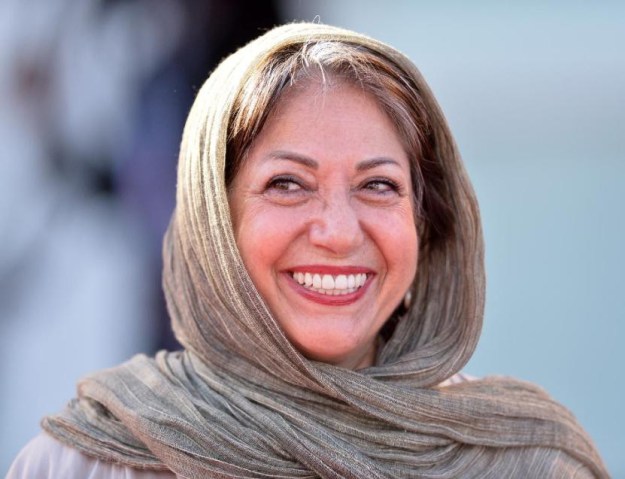
Iranian director Rakhshan Bani-Etemad arrives for the screening of her movie “Ghessea” (Tales) at the 71st Venice Film Festival on August, 2014 (AFP Photo/Tiziana Fabi)

Rakhshan Bani-E’temad, (Persian: رخشان بنی اعتماد‎, born April 3, 1954 in Tehran, Iran) is an internationally and critically acclaimed Iranian film director and screenwriter. She is widely considered Iran’s premier female director, and her films have been praised at international festivals as well as being remarkably popular with Iranian critics and audiences.

Her title as “First Lady of Iranian Cinema” is not only a reference to her prominence as a filmmaker, but it also connotes her social role of merging politics and family in her work.

Bani-E’temad did not receive immediate praise upon entering the film industry. Her early feature films were met by harsh criticism. However, she finally earned critical and popular success in 1991 with her film Nargess. She received the Best Director Award from the Fajr Film Festival, marking the first time in the history of the festival that a woman was awarded the Best Director prize.

Bani-E’temad’s films are considered socially and politically conscious social documentaries. She aims to reflect the realities of Iranian people’s daily life experiences. Her documentaries are centered on issues of poverty, criminality, divorce, polygamy, social norms, cultural taboos, women’s oppression, and cultural expectations.

With her 2002 film Our Times, Bani-E’temad became the first female filmmaker to explicitly confront the Iran-Iraq war, placing her in an important role in Iranian film history. She has been known to challenge censorship codes to the very edge.

She has donated her international prize for the movie Ghesseh-ha to build a shelter for homeless women. Previously she has also donated some of her awards to help disadvantaged women.

Filmography (as a director)
– 1986: Kharej az Mahdudeh (Off-Limits)
– 1988: Zard-e Ghanari (Canary Yellow)
– 1989: Pul-e Khareji (Foreign Currency)
– 1992: Nargess
– 1995: Rusari Abi (The Blue-Veiled)
– 1998: Banoo-ye Ordibehesht (The May Lady)
– 1999: Baran-O-Bumi (Baran and the Native – short)
– 2001: Zir-e Pust-e Shahr (Under the Skin of the City)
– 2002: Ruzegar-e ma (Our Times – documentary)
– 2004: Gilane
– 2006: Khoon Bazi (Mainline)
– 2009: We Are Half of Iran’s Population
– 2014: Ghesseh-ha (Tales)

Honors and Awards
– Bronze Leopard, 48th Locarno Film Festival (for The Blue-Veiled) (1995)
– The Prince Claus Award (1998)
– Special Golden St. George, 23rd Moscow International Film Festival (for Under the Skin of the City) (2001)
– Best Achievement in Directing, Asia Pacific Screen Awards (for Mainline, with Mohsen Abdolvahab) (2007)
– Honorary doctorate, SOAS, University of London (2008)
– Best Screenplay Award, 71st Venice International Film Festival (for Tales, with Farid Mostafavi) (2014)

Sources: Wikipedia | Rakhshan Bani-E’temad

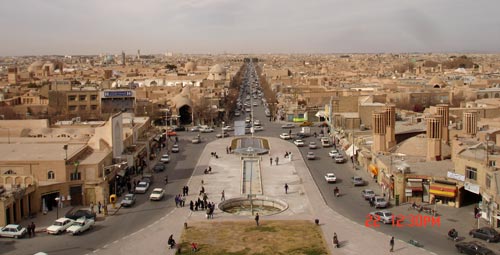
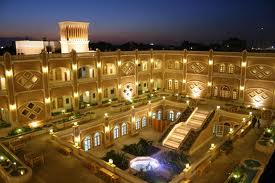
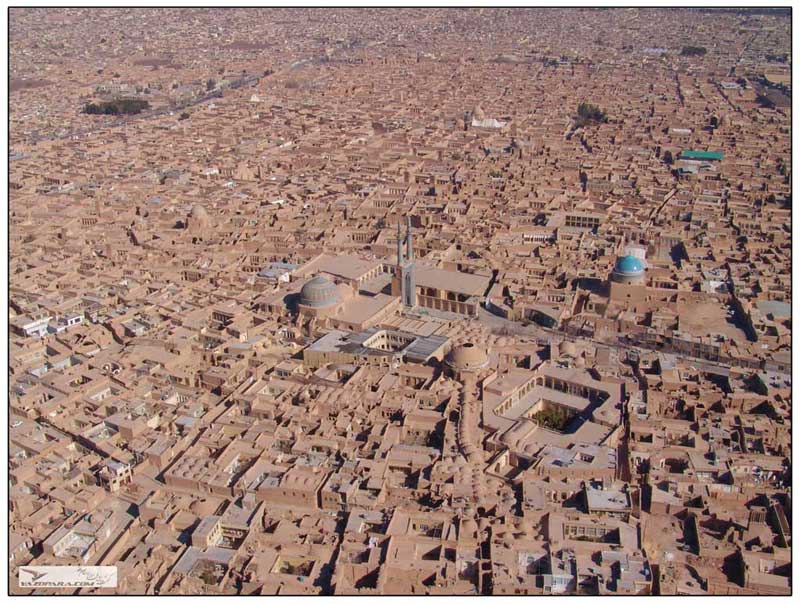
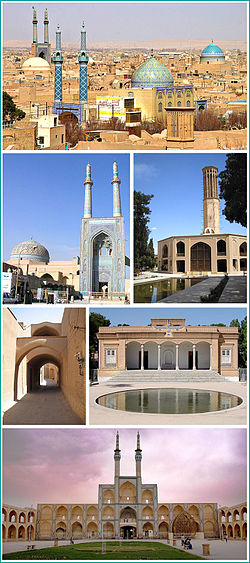
Yazd, one of the oldest cities of the world

http://en.wikipedia.org/wiki/Yazd

Yazd (About this sound pronunciation (help·info) [jæzd]; Persian: یزد‎)[1] is the capital of Yazd Province, Iran, and a centre of Zoroastrian culture. The city is located 270 km (170 mi) southeast of Isfahan.”

“The city has a history of over 3,000 years, dating back to the time of the Median empire, when it was known as Ysatis (or Issatis)”

RooftopsYazdIran2008_w500 yazd Yazd_C1 Yazd_In_1_frame

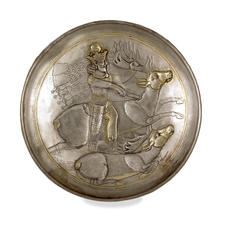
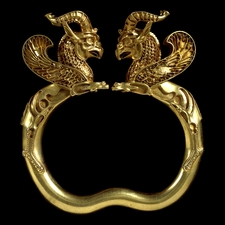
Ancient Iran in The British Museum

http://www.britishmuseum.org/explore/galleries/middle_east/room_52_ancient_iran.aspx

“Iran was a major centre of ancient culture. It was rich in valuable natural resources, especially metals, and played an important role in the development of ancient Middle Eastern civilisation and trade. Room 52 highlights these ancient interconnections and the rise of distinctive local cultures, such as in Luristan, during the age of migrations after about 1400 BC.”

ps295640_m ps207493_m

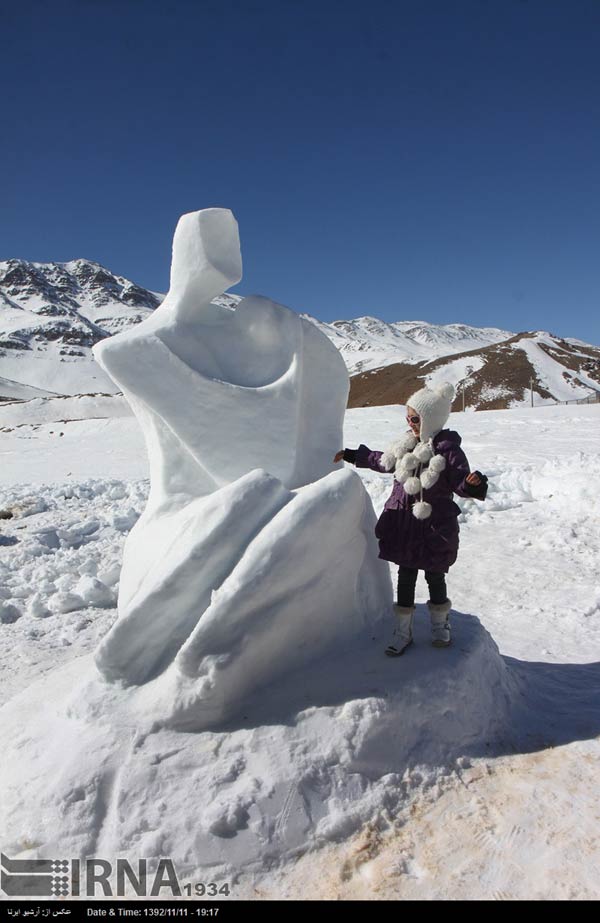
Snowy City Festival in Boroujen

Image

179 people in 39 groups had registered for the competitions. Among the participating groups, 13 were from other provinces. These groups created many giant snow sculptures which decorated the landscape and captivated the visiting people.

Boroujen is well known by its extremely cold weather, usually mentioned as one of the coldest Iran cities in national weather forecasts. It is located on an altitude of about 2197 meters from sea levels. Its climate is usually combined of moderate summer climates as well as very cold winters. Snow days are normally 122 days per year, and the temperature could reach -27°C. The maximum observed temperature has been 36°C. Average annular precipitation is 243 mm (24% in the spring, 1% in the summer, 33% in the fall, and 44% in the winter).

More photos:

http://www.payvand.com/news/14/feb/1016.html

Hana Makhmalbaf – Iran’s world famous female filmmaker

Hana Makhmalbaf

Hana Makhmalbaf


Hana Makhmalbaf (Persian: حنا مخملباف ‎) (born September 3, 1988 (age 25) in Tehran) is an Iranian filmmaker. She is the younger sister of filmmaker Samira Makhmalbaf and daughter of filmmakers Mohsen Makhmalbaf and Marzieh Makhmalbaf.
Career

Her first short film was shown at the Locarno Film Festival in Ticino, Switzerland when she was eight years old. Her first full film was in 2003 and entitled Joy of Madness. The film is a documentary about the making of Samira’s At Five in the Afternoon.

Her first feature film, Buddha Collapsed out of Shame won an award at Festival du nouveau cinéma in Montreal, Canada in 2007, as well as two awards from San Sebastian International Film Festival, Spain, and the Crystal Bear for the Best Feature Film by the Generation Kplus Children’s Jury at the Berlinale Film Festival 2008.

Her second feature, Green Days premiered at the 2009 Toronto Film Festival. Begun as a documentary about the run-up to the 2009 Presidential Election in Iran, it was completed by inter-cutting scenes of the post-election violence garnered from cell-phone and other amateur videos circulating anonymously.

http://en.wikipedia.org/wiki/Hana_Makhmalbaf

Tara Kamangar, “world-class musician”

http://www.taraartemis.com/#!/biography

“Pianist Tara Kamangar has been praised as a “huge talent” (London Evening Standard) and a “world-class musician who excels at blending the best of Western and Middle-Eastern compositions”

Playing a fine piece:
http://www.youtube.com/watch?v=XmH6JxEiIu8

4 tara tara2

Beautiful islamic Architecture of Iran

http://vudesk.com/profiles/blogs/beautiful-architecture-of-iran-1

beautiful_architecture_of_iran_25 beautiful_architecture_of_iran_03 beautiful_architecture_of_iran_05

Castles in Iran since pre-islamic times

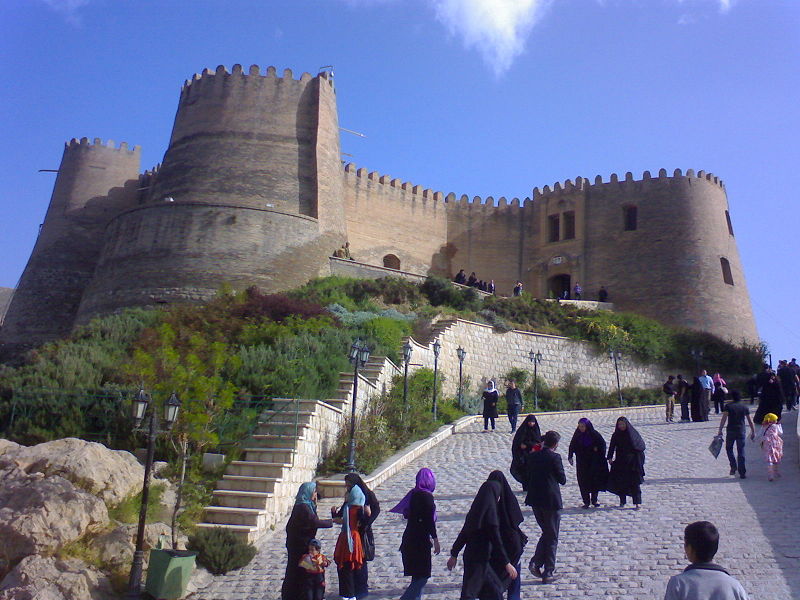
800px-Falak-ol-Aflak_Castle_07

Falak-ol-Aflak Castle, Lorestan Province, Iran

Falak-ol-Aflak Castle (in Persian: Dez-e Shapur-Khwast and in ancient times known as Dezbar as well as Shapur-Khwast) is a castle situated on the top of a large hill with the same name within the city of Khorramabad, the regional capital of Lorestan Province, Iran. This gigantic structure was built during the Sassanid era (226–651).
Source: Wikipedia | Falak-ol-Aflak Castle

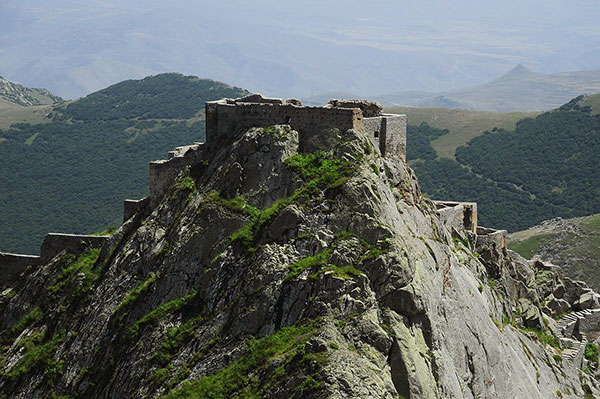
babak

Babak Castle, East Azerbaijan Province, Iran

Papak Fort or Babak Castle (in Azerbaijani Baezz Qalasi), also known as the Immortal Castle or Republic Castle, is a large citadel and National Symbol of Iranians on the top of a mountain in the Arasbaran forests, which is located 6 km southwest of Kaleybar City, East Azerbaijan Province, northwestern Iran.
Source: Wikipedia | Babak Fort

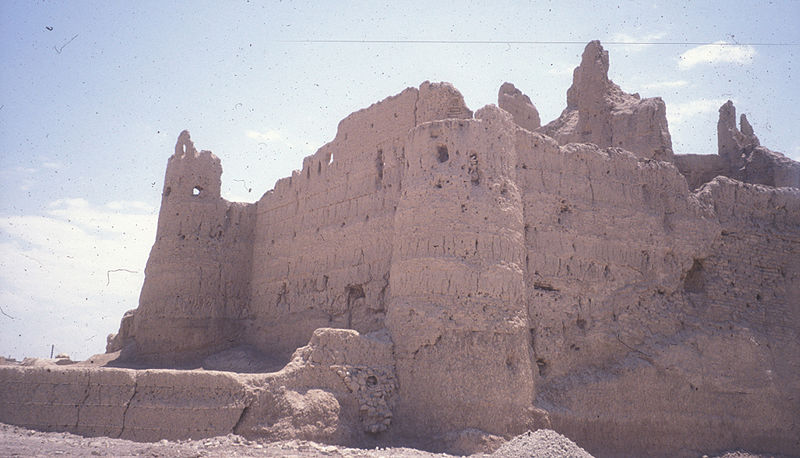
800px-Narin_ghaleh_2

Narin Ghaleh, Yazd Province, Iran

The Narin Qal’eh or Narin Castle is a mud-brick fort or castle in the town of Meybod, Yazd Province, Iran. Structures like these constituted the government stronghold in some of the older (pre-Islamic) towns of central Iran. Some of these castles incorporate mud bricks of the Medes period and of the Achaemenid and Sassanid dynasties.
Source: Wikipedia | Narin Qal’eh

Further links:
1. Payvand | Ardeshir Palace in Kerman
2. The other Iran | Roudkhan Castle
3. Payvand News of Iran | Behestan Rock
4. Wikipedia | List of castles in Iran

“Iran-UK Sonics” at Queen Elizabeth Hall, Southbank Centre, Friday 13 December 2013

International arts consultancy Six Pillars announces the UK’s first sound art residency for Iranian artists and musicians.

Five emerging practitioners visit London for the first time from Iran on 9 December: Nasim Khorassani, Sepehr Haghighi, Nemo Ghasemi, Niloufar Em and Heckmat(t).

The two weeks intense preparation and technical workshops peak with the performance of “Iran-UK Sonics” at Queen Elizabeth Hall, Southbank Centre, Friday 13 December.

Fari Bradley of Six Pillars who is running this visionary project with Southbank Centre, LCC and Resonance104.4FM “After a public call out and in-depth selection process, we’ve a hugely varied group coming to exchange ideas with the UK. Our aim is to dialogue with Iran about experimental music, and make a difference in terms of frequently problematic cultural perceptions.

Sources:
http://sixpillars.org/IranUK/
http://www.payvand.com/news/13/dec/1000.html

Behruz Firuzi – Iranian cartoonist finishes first in Italian contest

socialinform's avatarRemarkable people with Iranian roots

The Iranian cartoonist Behruz Firuzi has won the first in the category satirical drawing at the 17th edition of the international competition Fax for Peace, Fax for Tolerance in Spilimbergo, Italy.

Other Iranian cartoonists Sohrab Kheiri and Parvin Mohammadi received honorable mention at the competition.

Peace, tolerance, fighting against any form of racism and the defense of human rights are the themes of the competition.

Sources:
– Gallery: http://www.faxforpeace.eu/?page_id=786
http://www.payvand.com/news/13/dec/1009.html

View original post

Photos: 26th International Film Festival for Children and Young Adults in Isfahan

Filmmakers from 40 countries have participated in the festival and 200 movies are scheduled to go on screen at Farshchian, Qods, Sahel, Sepahan, Honar and several other theaters in Isfahan during the event.

A jury composed of 60 children helped the main jury for the national competition section.

The photos can be viewed here:
http://www.payvand.com/news/12/oct/1090.html

Iranian House of Cinema reopens after forced shutdown

The Iranian House of Cinema (IHC) in Tehran reopened Thursday September 12, Iran’s National Cinema Day, after about a two-year forced shutdown ordered by the Ahmadinejad’s Culture Minister. The cheerful ceremony, held at the hall of the IHC in the morning, was attended by groups of jubilant cineastes.

Check the photos at:
http://www.payvand.com/news/13/sep/1080.html