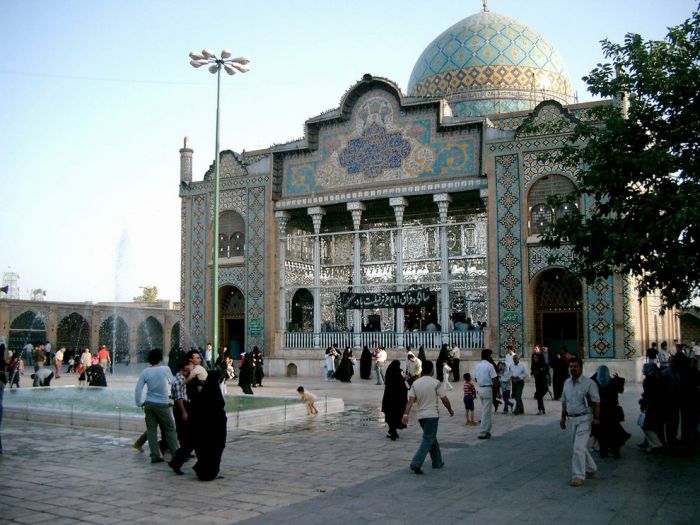
Tag Archives: Travel

Blog recommendation: American woman backpacking in Iran

Read the blog and enjoy Silvia’s descriptions and pictures. Here are the links to the posts on Iran:

http://www.heartmybackpack.com/blog/backpacking-solo-through-iran/

http://www.heartmybackpack.com/blog/kafka-cigarettes-tehran/

http://www.heartmybackpack.com/blog/isfahan-iran/

If you are lazy just read some quotes here and go to the links to enjoy the pictures:

“I mean, Iran is home to one of the world’s oldest civilizations, hosts thirteen UNESCO World Heritage Sites, and boasts beautiful landscapes stretching from dense rain forests to snowcapped mountains to desert basins. Plus, so many travelers whom I met in Central Asia absolutely raved about Iran. The hospitable people, delicious food and historic sites – how could I not add Iran to my travel itinerary?”

“My first Couchsurfing hosts in Tehran, a young Ph.D. student and her roommate, said they were so excited to be hosting an American girl, and that they hope more tourists will start to come to Iran. They were incredibly warm and welcoming hosts, cooking delicious Persian food and asking me countless questions about Norway and the U.S. and foreigners’ impressions of Iran.”

“The thing is, I haven’t felt alone once since I landed in Iran. The receptionist at my first hotel took me in as her daughter, accompanying me to breakfast and lunch and suggesting sites for me to visit, my Couchsurfing hosts were like cool older sisters, chatting with me about religion and politics as well as the plot twists of Lost and J-Lo’s divorce (I’m so out of touch), and Rana truly has adopted me as her sister, with an invitation to lunch turning into a trip to visit Esfahan and then several days with her family in Tehran.”

“So far my experience in Iran has only been one of warmth and hospitality, and really, really amazing food! Though, in a few hours Rana and I are heading to Marivan, a small Kurdish city on the border to Iraq. So you know, maybe I’ll have some more eventful things to share from there! (Kidding, family, Kurdistan is of course totally safe.)”

“My stay in Tehran was far too short and left much of the city unexplored, but I did leave with an overwhelming crush on a city so full of life and passion. Shopkeepers greeted me with warmth (if also a degree of surprise), and the discussions I had with people there were always filled with genuine interest and reflection. ”

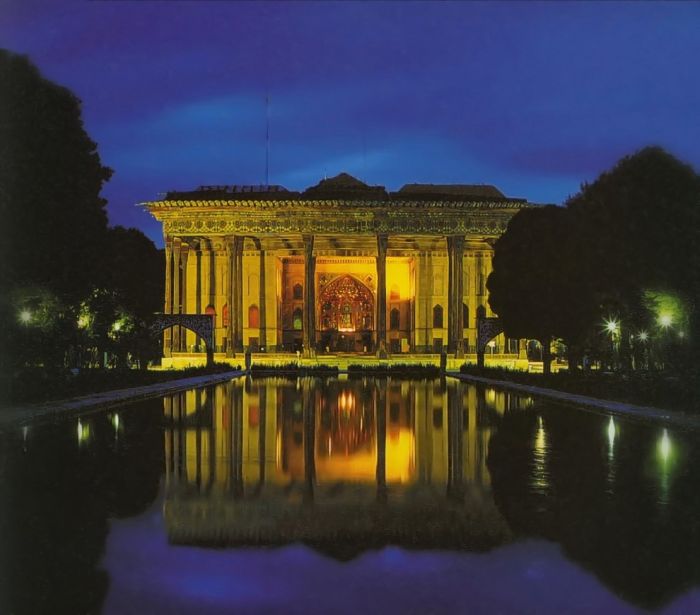
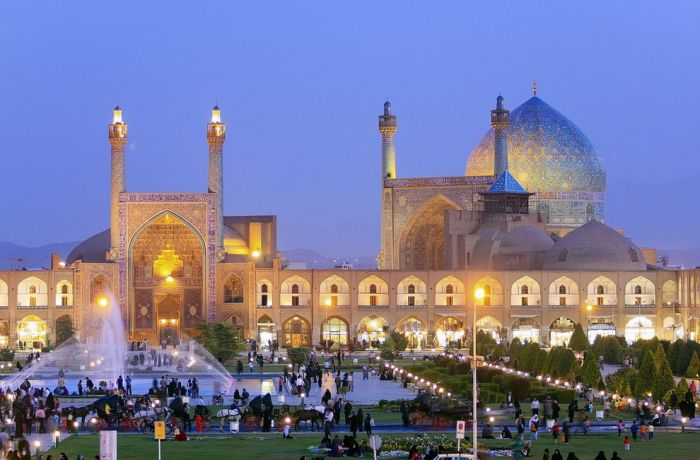
“While now a bustling modern city, Isfahan was once one of the largest cities in the world as it sat on a major intersection of the main north-south and east-west  routes crossing Iran. We seemed to stumble on reminders of Isfahan’s past glory around every corner, from impressive squares and tree-lined boulevards to covered bridges, palaces and mosques.”

“Moreover, while Isfahan might be dominated by Islamic architecture, the city is also home to important Christian, Jewish and Zoroastrian sites. Rana and I visited the Church of Saint Joseph of Arimathea, built by an Armenian community that settled in Isfahan in the early 1600s.”

Ok if you read so far, just make sure to visit the links above


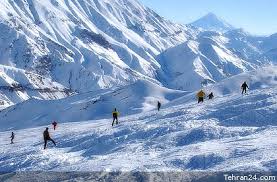
Spring Snow in Tabriz, Iran

Image

http://www.payvand.com/news/14/apr/1005.html

About famous Armenian churches in Iran and Armenian Iranians in general

One of the finest examples of Iranian architecture in the neighborhood of Vanak is an Armenian chapel, Surp Khatch. Surp Khatch Chapel holds a peculiar significance within Armenian-Iranian life.

There are dozens of Armenian churches within Iran, mostly in Tehran and the western provinces. Vank in New Julfa deserves special recognition, of course, for its role as the heart of the Isfahani community, brought to Persia by Shah Abbas I in the 17th century.

The Prelacy – the bureaucratic head of the Armenian Church in Iran – makes its home in Saint Sarkis, a church that dates back to 1970.

Armenian-Iranian architecture, particularly Surp Khatch, fits comfortably within the Iranian modernist idiom. The situation of Armenians (and other Christians) in Iran is of course far more normal than prevailing Western discourse may have an outside observer understand. Armenians have different treatment from most Iranians, with special privileges to consume pork, alcohol, and having Sundays off that Muslims do not enjoy. But they are still effusively Iranian. Surp Khatch, for example, was built in part to memorialize the thousands of Armenian service members killed in the Iran-Iraq War. When Teymourian (popular Armenian Iranian football star) crosses himself before a match, his countrymen cheer this act as the mark of a pious Iranian.

The negotiating of political space for religious minorities in an explicitly Islamic Republic is an ongoing political issue that is going strong on its fourth decade. But political concerns hardly frame daily life; Armenians and other religious minorities in Iran generally name their primary concerns as drug use and a rapidly deteriorating economy. The communities’ problems aren’t necessarily their status as minorities, but the general problems that stem from being Iranian. Indeed, minorities in Iran are well-integrated not only socially and culturally but politically as well. There are five Armenians in Parliament (compared to four Assyrian and Chaldean Christians, three Jews, and two Zoroastrians in the 290-seat Majlis). There are also Armenian observers to the Expediency Council and the Guardian Council.

Source: Ajam Media Collective | Towards an Armenian-Iranian Modern: Tehran Church Architecture & Post-Revolutionary Soccer Culture

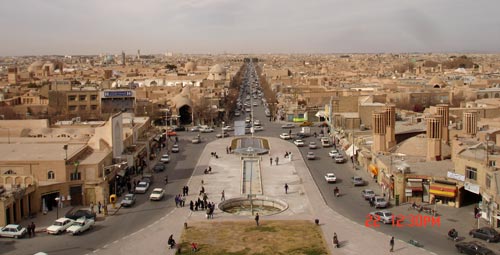
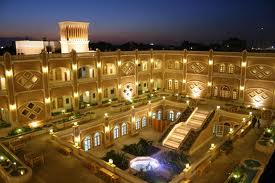
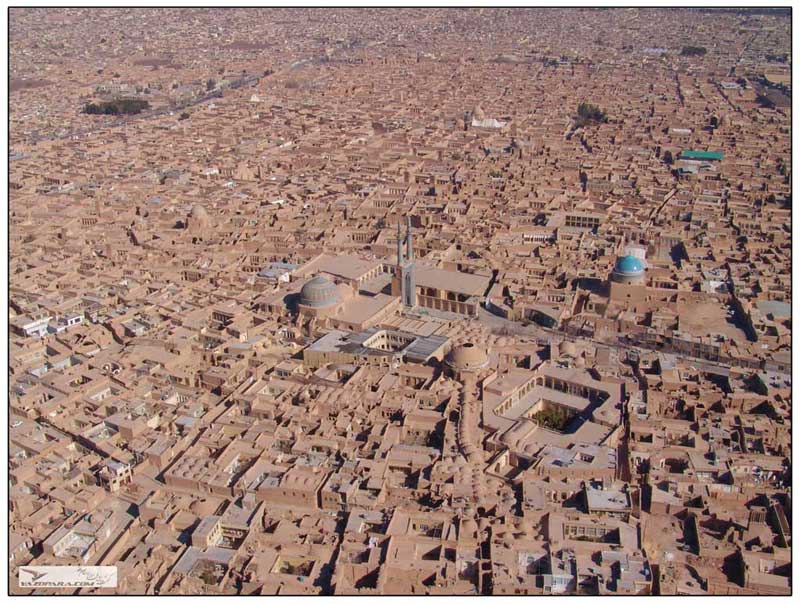
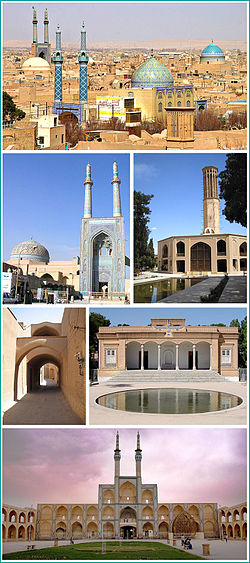
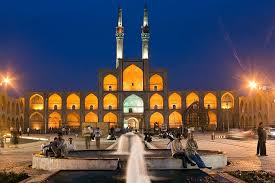
Yazd, one of the oldest cities of the world

http://en.wikipedia.org/wiki/Yazd

Yazd (About this sound pronunciation (help·info) [jæzd]; Persian: یزد‎)[1] is the capital of Yazd Province, Iran, and a centre of Zoroastrian culture. The city is located 270 km (170 mi) southeast of Isfahan.”

“The city has a history of over 3,000 years, dating back to the time of the Median empire, when it was known as Ysatis (or Issatis)”

RooftopsYazdIran2008_w500 yazd Yazd_C1 Yazd_In_1_frame

IRAN Documentary Yesterday and Today : Rick Steves

Description
Rick takes us beyond Europe to Iran, a place that’s rich with history… and mystery. Visiting Tehran, Shiraz, Persepolis, and a small village, we’ll get a rare present-day look at some of civilization’s most important historical sites, and a sense of Iran’s 21st-century culture. From architecture and art to faith and everyday living, “Rick Steves’ Iran” offers a rare, candid, and humanizing look at a powerful and perplexing nation. – Rick Steves’ Iran Pledge Special

I was actually scared to go to Iran. We almost left our big camera in Athens and took our little sneak camera instead. I thought people would be throwing stones at us in the streets. And when I got there, I have never felt a more friendly welcome because I was an American. It was just incredible. I was in a traffic jam in Tehran, a city of 10 million people, and a guy in the next car saw me in the back seat and had my driver roll the window. He then handed over a bouquet of flowers and said, “Give this bouquet to the foreigner in your back seat and apologize for our traffic.” […]

”Steves has produced a loving portrait of the demonized country. Characteristic Steves-on-the-street interviews open closed minds to the sophistication of Iranian citizens and their lack of antipathy toward Americans. In one scene, a man in a car pokes his head out the window and says to Steves, “Your heart is very kind.” […]

He wants us to please shed our geographic ego. “Everybody should travel before they vote,” he has written.

Read more here: SALON | The other side of Rick Steves

Financial Times: Iran among top 2014 travel destinations

http://www.ft.com/intl/cms/s/2/e4f47a04-6972-11e3-89ce-00144feabdc0.html#axzz2plOF8yt7

“Thirty-five years after it dropped off the tourist map, Iran may be set to return to the top of “must-visit” lists for 2014. Its attractions have never been in doubt – from ski resorts to beaches, stunning Islamic architecture, ancient archaeological sites and superb food…”one of the things our clients tell us they enjoy most is the friendliness and welcome provided by the locals.””

iran6 iran iran2 iran3 iran4 iran5

The Caspian Sea, the worlds largest landlocked lake

Irpedia | The Caspian Coast

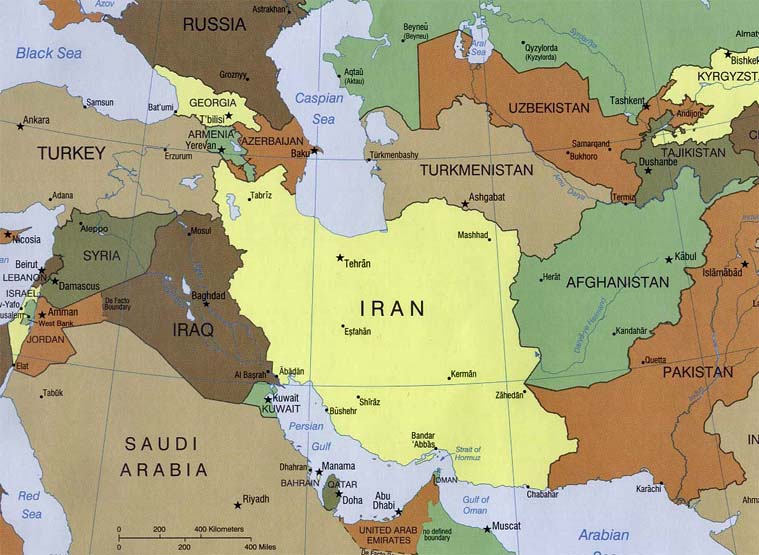
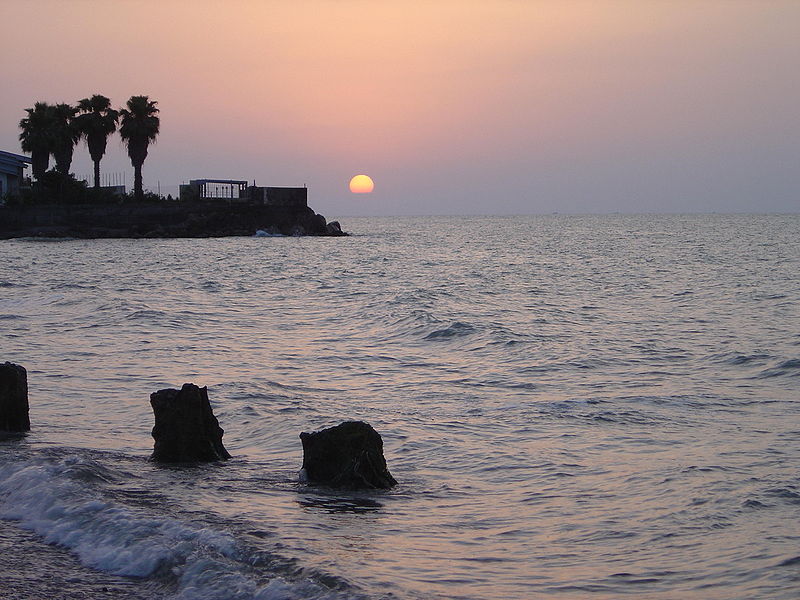
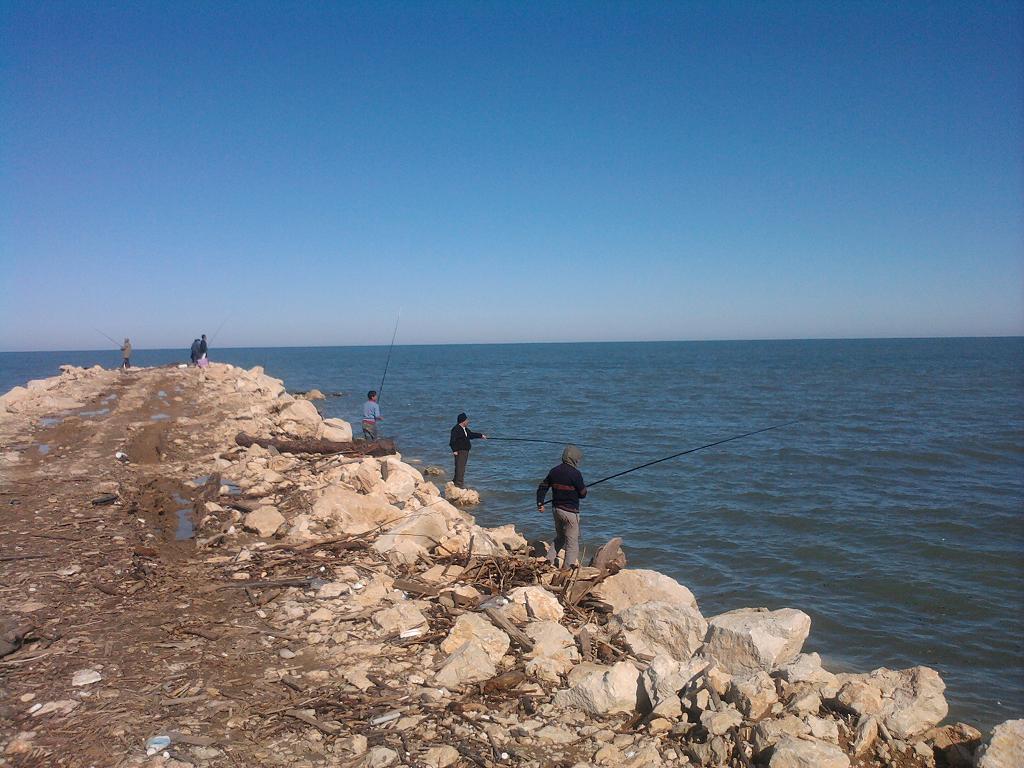
“Caspian Sea, the largest landlocked lake in the world, is located in northern Iran. The Iranian Caspian coast including the three littoral provinces of Gilan, Golestan and Mazandaran, with its thick forests and large-scale rice paddies presents a striking contrast to the dry inner plateau of Iran.

A four-hour drive from Tehran, the Caspian is Iran’s Riviera, with a narrow plain of paddyfields and orchards separating the sea from forested mountains where bears and leopards roam around ruined Mongol castles.”

Also: Wikipedia | Caspian Sea

img_0693 189 Iran & Neighbors Map 800px-Caspian_see-Iran-1 1289287626.zfE

Beautiful islamic Architecture of Iran

http://vudesk.com/profiles/blogs/beautiful-architecture-of-iran-1

beautiful_architecture_of_iran_25 beautiful_architecture_of_iran_03 beautiful_architecture_of_iran_05

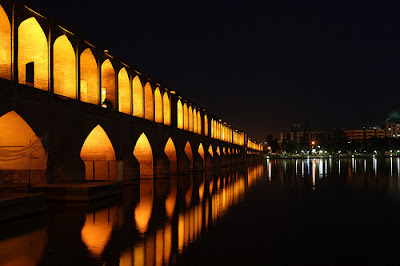
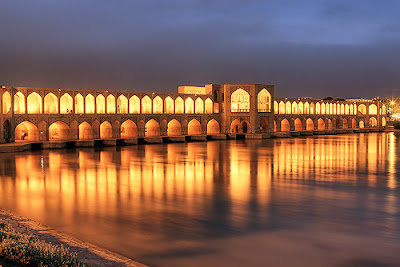
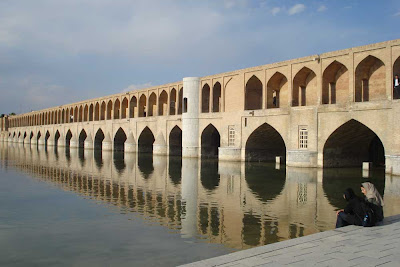
Beautiful Photographs of Khaju Bridge in Isfahan, Iran

http://allworldbest.blogspot.de/2012/06/beautiful-photographs-of-khaju-bridge.html

khawju bridge isfahan3 khawju bridge isfahan1 khawju bridge isfahan2

Iran from Viewpoint of a Japanese Pianist

“Now, when I go over my memories of that exceptional trip after having stayed in Iran for a few days, I see that the most prominent part of those memories is warm and honest treatment as well as the hospitality of the Iranian people. Everybody there hails you with a polite smile. I, having been born in a country where respectful treatment of others is of high importance, was in a good position to appreciate the respectful treatment of the Iranian people.

What I saw from the Iranian people during my short trip [to that country] was that they are always serene, well-mannered, and ready to offer all kinds of assistance and cooperation. I wondered why I didn’t know anything about the good and well-mannered people of Iran, who are very cultured and take pride in their culture and arts, before this trip?” –Noriko Ogawa

Noriko Ogawa is a Japanese pianist that traveled to Iran on an invitation extended to her by the Japanese Embassy in Tehran. She had musical performances in the cities of Tehran and Shiraz.

Read more at Payvand | Concert in Tehran: Iran from Viewpoint of a Japanese Pianist

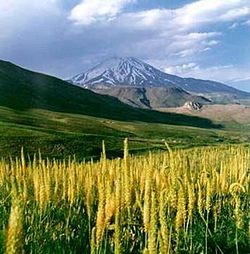
The Alborz mountains and Mount Damavand

http://en.wikipedia.org/wiki/Alborz

Alborz (About this sound listen (help·info) Persian: البرز‎), also written as Alburz, Elburz or Elborz, is a mountain range in northern Iran stretching from the borders of Azerbaijan and Armenia in the northwest to the southern end of the Caspian Sea, and ending in the east at the borders of Turkmenistan and Afghanistan.[1] The highest mountain in West Asia, Mount Damavand, Amol, Mazandaran is located in the range.”

http://en.wikipedia.org/wiki/Elburz_Range_forest_steppe

“Elevations typically range from 2,000 to 4,000 metres (6,600 to 13,000 ft), and the highest point in the Middle East, 5,610 metres (18,410 ft) high Mount Damavand, is found here. Mount Damavand is also the tallest volcano in Asia and below its summit crater are found fumaroles and hot springs as well as glaciers.”
250px-Damavand3 Alborz

Castles in Iran since pre-islamic times

800px-Falak-ol-Aflak_Castle_07

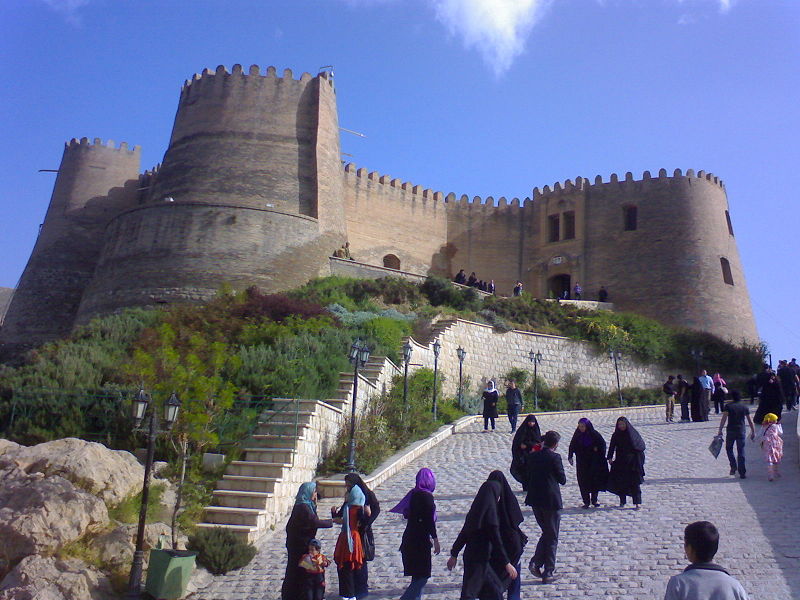
Falak-ol-Aflak Castle, Lorestan Province, Iran

Falak-ol-Aflak Castle (in Persian: Dez-e Shapur-Khwast and in ancient times known as Dezbar as well as Shapur-Khwast) is a castle situated on the top of a large hill with the same name within the city of Khorramabad, the regional capital of Lorestan Province, Iran. This gigantic structure was built during the Sassanid era (226–651).
Source: Wikipedia | Falak-ol-Aflak Castle

babak

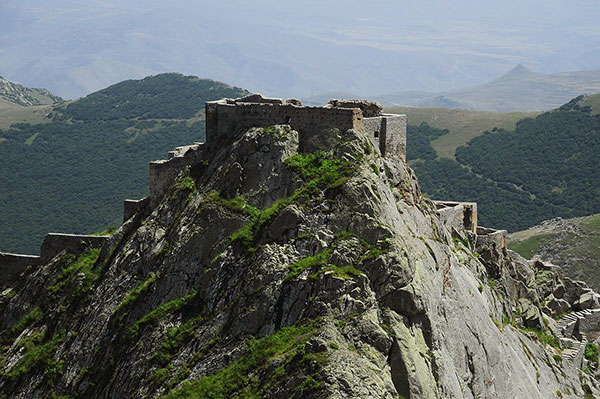
Babak Castle, East Azerbaijan Province, Iran

Papak Fort or Babak Castle (in Azerbaijani Baezz Qalasi), also known as the Immortal Castle or Republic Castle, is a large citadel and National Symbol of Iranians on the top of a mountain in the Arasbaran forests, which is located 6 km southwest of Kaleybar City, East Azerbaijan Province, northwestern Iran.
Source: Wikipedia | Babak Fort

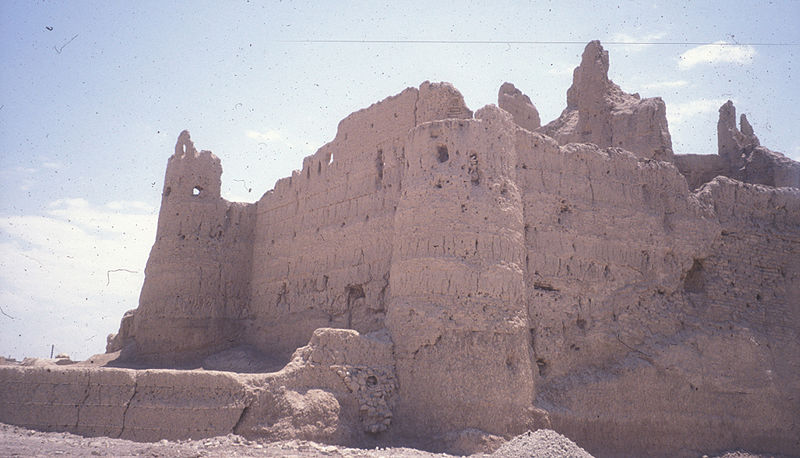
800px-Narin_ghaleh_2

Narin Ghaleh, Yazd Province, Iran

The Narin Qal’eh or Narin Castle is a mud-brick fort or castle in the town of Meybod, Yazd Province, Iran. Structures like these constituted the government stronghold in some of the older (pre-Islamic) towns of central Iran. Some of these castles incorporate mud bricks of the Medes period and of the Achaemenid and Sassanid dynasties.
Source: Wikipedia | Narin Qal’eh

Further links:
1. Payvand | Ardeshir Palace in Kerman
2. The other Iran | Roudkhan Castle
3. Payvand News of Iran | Behestan Rock
4. Wikipedia | List of castles in Iran