Tag Archives: Photos

Mitra Farahani: Awarded Iranian filmmaker

Mitra Farahani

Mitra Farahani’s biography:
She was born in Tehran in 1975 and studied painting and drawing with various Iranian masters of pictorial art, notably with Gholam Hossein Nami. After receiving a degree in graphic art at the Azad University in Tehran, she moved to Paris and took up residence in the Cite Internationale des Arts.

In 2001, she began a course of video studies at the Ecole Natioanale Superieure des Arts Decoratifs, where she made her first documentary entitled “Just a Woman”. The film was chosen for Berlin Film Festival and was awarded the Teddy Awards Special Jury Prize.

Her documentary “Zohre and Manouchehr” (Taboos) was presented at the Berlin Film Festival of 2004 and was later shown in cinemas in France and Canada.

In 2005 she made the documentary “Behjat Sadr: Suspended Time”, a portrait of one of the pioneers of abstract expressionist painting in Iran. In 2009, as part of the Three Continents Festival, Le Lieu Unique in Nantes presented her one-person multi-disciplinary exhibition. Her latest documentary film, Fifi Howls from Happiness, on painter Bahman Mohassess, premiered at the 2013 Berlin and Telluride film Festival.

More about her documentary “Fifi Howls from Happiness”:
http://www.payvand.com/news/14/aug/1104.html

Exhibition: Persian Caligraphy at Smithsonian’s Freer and Sackler Galleries, Washington, DC (Opening: Sept.13 – End: March 2015)

OPENING SEPT. 13, “NASTA‘LIQ: THE GENIUS OF PERSIAN CALLIGRAPHY” IS FIRST EXHIBITION ON PERSIA’S MOST POPULAR AND VISUALLY STUNNING SCRIPT

During a prolific 200-year period in the 14th-16th centuries, four master calligraphers invented one of the most aesthetically refined forms of Persian culture: nasta‘liq, a type of calligraphy so beautiful that for the first time the expressive form of the words eclipsed their meaning. “Nastaliq: The Genius of Persian Calligraphy,” opening Sept. 13 at the Smithsonian’s Arthur M. Sackler Gallery, displays 20 rarely seen masterworks created by the script’s greatest practitioners, tracing its evolution from a simple style of writing to a potent form of artistic expression.

This is the first exhibition ever to focus specifically on nasta‘liq, which was used primarily to write poetry, Persia’s quintessential form of literature. With sinuous lines, short vertical strokes and an astonishing sense of rhythm, the script was an immediate success and was rapidly adopted throughout the Persian-speaking world from Turkey to India. The exhibition shows how generations of itinerant calligraphers, bound by the master-pupil relationship, developed, enhanced and spreadnasta‘liq between major artistic centers.

Nasta‘liq represents one of the most accomplished forms of Persian art, developed at a time of cultural and artistic effervescence in Iran,” said Simon Rettig, exhibition curator and curatorial fellow at the Freer and Sackler galleries. “In a sense, it became the visual embodiment of the Persian language enthusiastically embraced from Istanbul to Delhi and from Bukhara to Baghdad.”


More info and pictures:

http://www.payvand.com/news/14/aug/1073.html


Series American couple in Iran: Audry’s cites on Persepolis: Ancient Persia, Modern Lessons

Although Persepolis is one of Iran’s top archeological and tourist sites, I was careful to keep my expectations in check before visiting. After all, what would remain of the 2,500 year-old capital of the Achaemenid Empire? Amidst crumbled columns, I found great detail that blew me away and a surprising connection to the present.

Gate of All Nations - Persepolis, Iran

Gate of All Nations – Persepolis, Iran

When I first entered Persepolis through the Gate of All Nations, I was struck by the scale of it all – the statues, the columns, the great stone. I tried to imagine the process of transporting the raw materials to this place, constructing the city and palace, and fashioning it all without the mechanical means we have today. […]

Persepolis eastern staircase leading to Apadana Palace, all 23 subject nations represented.

Persepolis eastern staircase leading to Apadana Palace, all 23 subject nations represented.

Like a camera lens, my eyes began to focus on stone-carved details — hair, faces, beards, hats, and clothes, gifts carried in hands. That you could still make out every curl in a beard, eyelash on a camel and softened skin of soldiers holding hands — 2,500 years later – struck me as truly spectacular. […]

And it went on like this, through the citizens of each member nation — Egyptians, Assyrians, Indians, Tajiks, and so on. Each was easily identifiable, their physical appearance and cultural trappings preserved in stone from 500 B.C. […]

It was the whole of these details that to me seemed to define the character of the Achaemenid Empire: a multi-ethnic ancient empire built on respecting – if not maintaining — the diversity of many cultures amidst a unifying loyalty to one king. […]

Persian and Median soldiers holding hands, leading the way to the king.

Persian and Median soldiers holding hands, leading the way to the king.

Cyrus the Great’s Human Rights Charter
While it was Darius the Great who built this palace at Persepolis, it was his father-in-law – Cyrus the Great – who attempted to set the foundation of mutual respect within the Achaemenid Empire. In his Babylon Cylinder (539 B.C.), Cyrus put forth some of the first recorded mentions of human rights, an expression of tolerance, and of religious, linguistic and racial equality across the empire.

History tells us that great civilizations have come and gone, risen and fallen, ascended and crumbled. The pity of the great Persian empire — 23 nations under one roof and the nascent echoes of human rights — was that a great man came and went well before his time. […]

Head over to: Uncornered Market – Travel and Life Adventure | Persepolis to see all photos, and read the whole text.

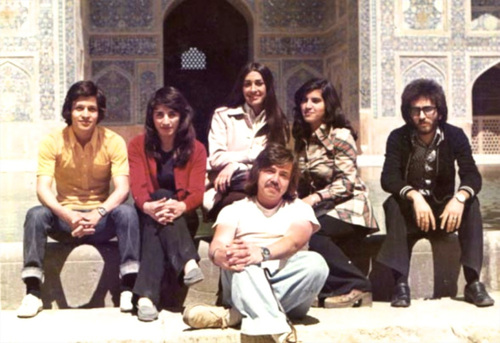
Series: 60s and 70s in Iran – Students II

Iranian Students in the 70s

Iranian Students in the 70s

Series: 60s and 70s in Iran – Students

Students in the 70s

Students in the 70s

Photos: Lahijan, in Gilan Province of Iran near the Caspian Sea

Info about Lahijan: Wikipedia | Lahijan

Iranian women are the sensation at the 2014 Chess Olympiad – score perfect score in the first 3 rounds

Khademalsharieh Sarasadat has 3/3 and has helped Iran to maintain a perfect match score

Khademalsharieh Sarasadat has 3/3 and has helped Iran to maintain a perfect match score | photo: Georgios Souleidis, chess24

If the perfect score of the Iranian women’s team after three rounds was newsworthy, then perhaps the best way to angle the headline for round four is – Iranian women drop first half point! The Olympiad sensations, seeded 21st, defended their right to the top table with a resounding 3.5-0.5 win over slightly higher rated Slovakia. Only Slovakian top board IM Eva Repkova survived, and the magical Iranians continue to outpace the clear pre-tournament favorites, China.

https://chess24.com/en/olympiad2014/news/round-4-azerbaijan-iran

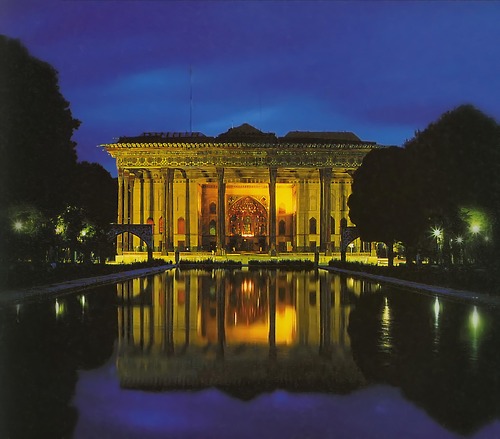
Chehel Sotoun in Isfahan, Iran

The name, meaning “Forty Columns” in Persian, was inspired by the twenty slender wooden columns supporting the entrance pavilion, which, when reflected in the waters of the fountain, are said to appear to be forty.

As with Ali Qapu, the palace contains many frescoes and paintings on ceramic. Many of the ceramic panels have been dispersed and are now in the possession of major museums in the west. They depict specific historical scenes. […] There are also less historical, but even more aesthetic compositions in the traditional miniature style which celebrate the joy of life and love.ImageSource: Wikipedia | Chehel Shotoun

Series: Iranian Food – Kashke Bademjan

Kashke Bademjan

At an Iranian meal, you don’t look for the bread and butter. You look for the bread and eggplant. With fried onions, eggplant, and herbs, this creamy spread beats butter any day.

http://www.buzzfeed.com/tyanat/20-persian-foods-to-blow-your-taste-buds-away-nzgf

TripAdvisor grants Certificate of Excellence to tomb of Persian Poet Hafez in Shiraz, Iran

TripAdvisor, a U.S. travel website that provides directory information and reviews of travel-related content, has granted a Certificate of Excellence to the tomb of Hafez in the southern Iranian city of Shiraz, Fars Province.


Tomb of Persian poet Hafez in Shiraz, Iran
(photo by Amir Hussain Zolfaghary)

Hafez was a Persian mystic and poet. He was born sometime between the years 1310 and 1337 in Shiraz, Medieval Persia. John Payne, who has translated the Diwan Hafez, regards Hafez as the greatest poet of the world. His lyrical poems, known as ghazals, are noted for their beauty and bring to fruition the love, mysticism, and early Sufi themes that had long pervaded Persian poetry. Moreover, his poetry possessed elements of modern surrealism.

The official document is awarded to the historical site for its beautiful architecture, its impressive atmosphere and the good behavior of the staff, the director of the Fars Cultural Heritage, Handicrafts, and Tourism Department said in a press release on Friday.

Mosayyeb Amiri added that a poll conducted by the website introduces Hafezieh (tomb of Hafez) as one of the top historical sites in the world.

http://www.payvand.com/news/14/jul/1072.html

Series: Iranian Food – Shole Zard

Shole Zard

Almonds, pistachios, saffron, rosewater, and cinnamon — not what you normally expect in rice pudding. But you can’t have Persian rice pudding without a few extra ingredients!

http://www.buzzfeed.com/tyanat/20-persian-foods-to-blow-your-taste-buds-away-nzgf

Traditional Ice house in Abarqu, in central Iran

Ice House in Abarqu, Iran

Ice House in Abarqu, Iran

ABARQU, IRAN – MAY 30: A tourist approaches a traditional ice house May 30, 2014 in Abarqu, in central Iran.

Other interesting photos: https://theotheriran.com/tag/photos/

Series: Iranian Food – Zereshk Polo

Zereshk Polo

If you’re a “dessert before dinner” kind of person, you’ll love this dish. A sweet mix of rose water, barberries, and rice, with savory chicken to balance everything out.

http://www.buzzfeed.com/tyanat/20-persian-foods-to-blow-your-taste-buds-away-nzgf

Series: Iranian Food – Ash Reshte

Ash Reshte

You don’t know soup ‘til you’ve tried it Persian style. Fried onions, noodles, beans, and a milky topping of kashk.

http://www.buzzfeed.com/tyanat/20-persian-foods-to-blow-your-taste-buds-away-nzgf

Series: Iranian Food – Tadig

Tadig

Rice fried to a golden perfection, this is often served not only as part of an entree, but as an appetizer itself.

http://www.buzzfeed.com/tyanat/20-persian-foods-to-blow-your-taste-buds-away-nzgf

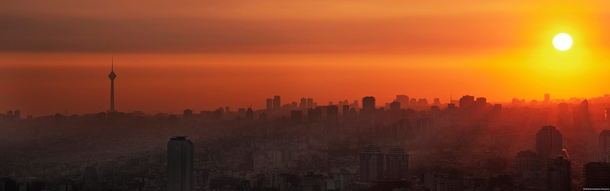
Tehran, break of dawn

Iranian artists come together to support World Food Programme

100 prominent Iranian artists have donated artworks to support the United Nations World Food Programme in its fight against hunger. The collection will be exhibited on World Food Day in October 2014 and will be displayed for a week before being sold to raise funds for WFP activities in Iran.

Parviz Tanavoli, Abbas Kiarostami, Jalil Rasouli, Maryam Zandi, Parviz Kalantari, and Gizella Varga Sinai are among the many famous masters who support WFP.

Shargh Newspaper published an article and interview with Negar Gerami, WFP Representative and Shokoufeh Malekkiani, the curator about this initiative in their Jun 11, 2014 issue.

Click here to read the interview in Persian.

http://www.payvand.com/news/14/jun/1128.html


Series: Interesting photos from the FIFA worldcup 2014 – from inside Iran

Image

Posts on Iranian women: https://theotheriran.com/tag/women/

All posts with photos: https://theotheriran.com/tag/photos/

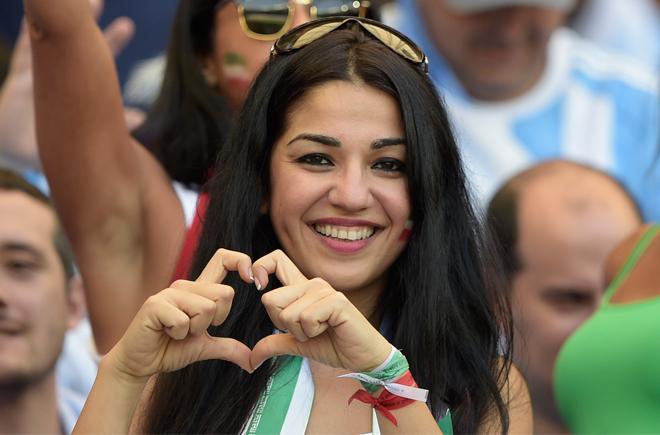
Series: Interesting photos from the FIFA worldcup 2014

Iranian female fan

Other interesting photos from Iran: https://theotheriran.com/tag/photos/

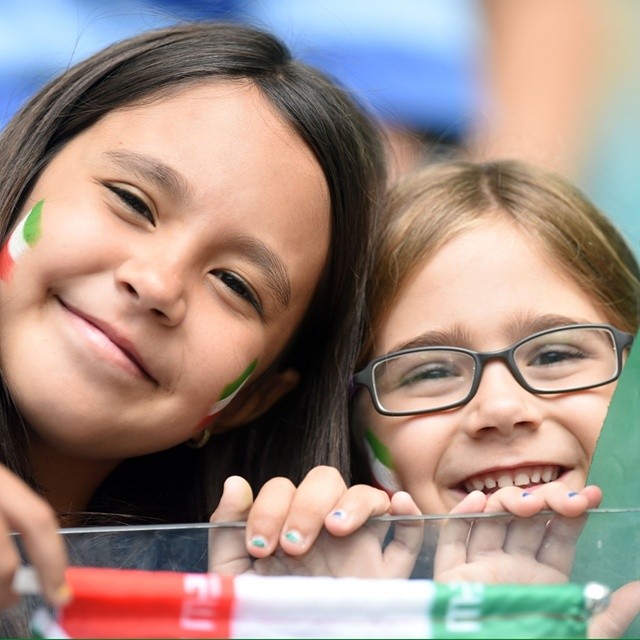
Series: Interesting photos from the FIFA worldcup 2014 – kids

Image

Check out other cool Iran related photos here: https://theotheriran.com/tag/photos/

Photos: young women and men decorating walls in Tehran

https://i0.wp.com/shahrefarang.s3.amazonaws.com/wp-content/uploads/2013/08/Shahrak-Gharb-01.jpg

https://i0.wp.com/shahrefarang.s3.amazonaws.com/wp-content/uploads/2013/08/Shahrak-Gharb-03.jpg

https://i0.wp.com/shahrefarang.s3.amazonaws.com/wp-content/uploads/2013/08/Shahrak-Gharb-05.jpg

https://i0.wp.com/shahrefarang.s3.amazonaws.com/wp-content/uploads/2013/08/Shahrak-Gharb-09.jpg

تزئین دیوارهای میدان صنعت

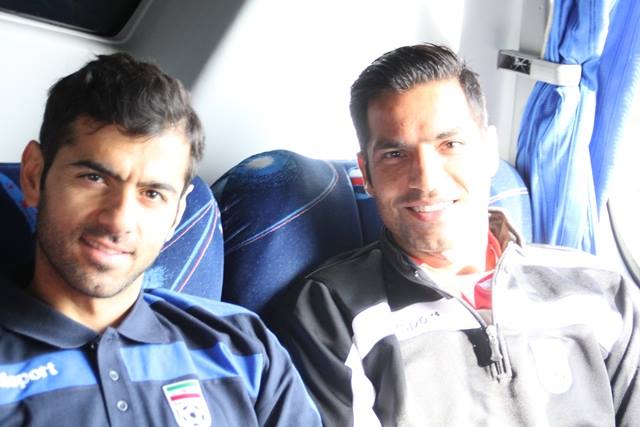
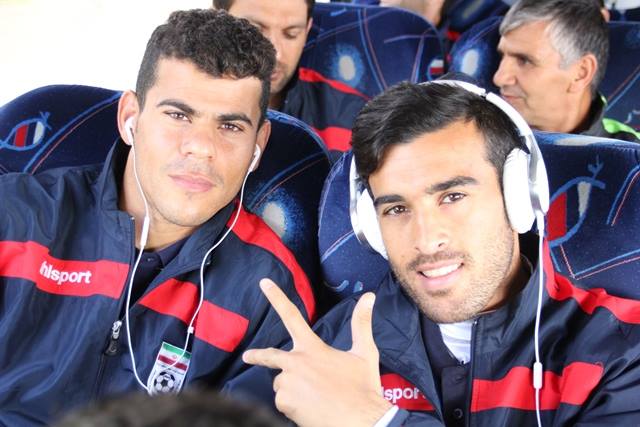
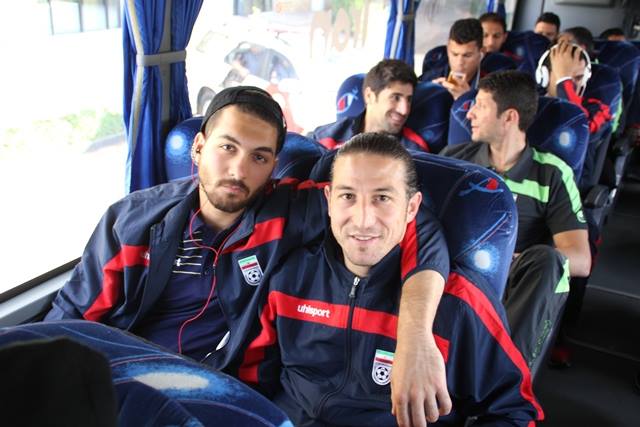
Series: Interesting photos from the FIFA worldcup 2014 – national team in bus

ImageImageImageImage

Series: Interesting photos from the FIFA worldcup 2014

Ronny Edry and Iranian Jewish Iran fans in Tel Aviv cheering for the Iranian team

Ronny Edry and Iranian Jewish Iran fans in Tel Aviv cheering for the Iranian team

“The idea is to show solidarity from the Israeli side,” said Ronny Edry, who set up the Facebook page two years ago, and continues to promote communication between the sides over social media. “It’s pretty easy through sports.”

In fact, several days earlier a group of partying Iranian soccer fans in Brazil for the World Cup pre-empted Mr. Edry’s move. When approached by a Israeli television reporter, one fan bellowed “Israel good! Israel good!” and then kissed the reporter while another fan insisted, “Israel and Iran are brothers.”

Watch the full video here:

Israeli reporter approaches Iranian fans in Brazil at World Cup 2014

Related Article:

https://theotheriran.com/iran-israel-the-people/


Volleyball: Iran trounced powerhouse Poland 3-1 in the 2014 FIVB World League, a huge step towards the Final Six.

“Iranian spectators were fantastic and the fans were like Iran’s seventh player,” said Iran’s Serbian coach Slobodan Kovac.

“Iran deserved the victory as they played much better than us. I’m not happy with our performance. It was a good experience thanks to an amazing audience. We hope we can play better in the second match,” said Poland’s coach Stephane Antiga.
The hosts will take on visiting Poland again on Sunday.


Iran is currently in the second spot with 16 points, after Italy with 19, and is followed by Poland and Brazil each with 11 points.


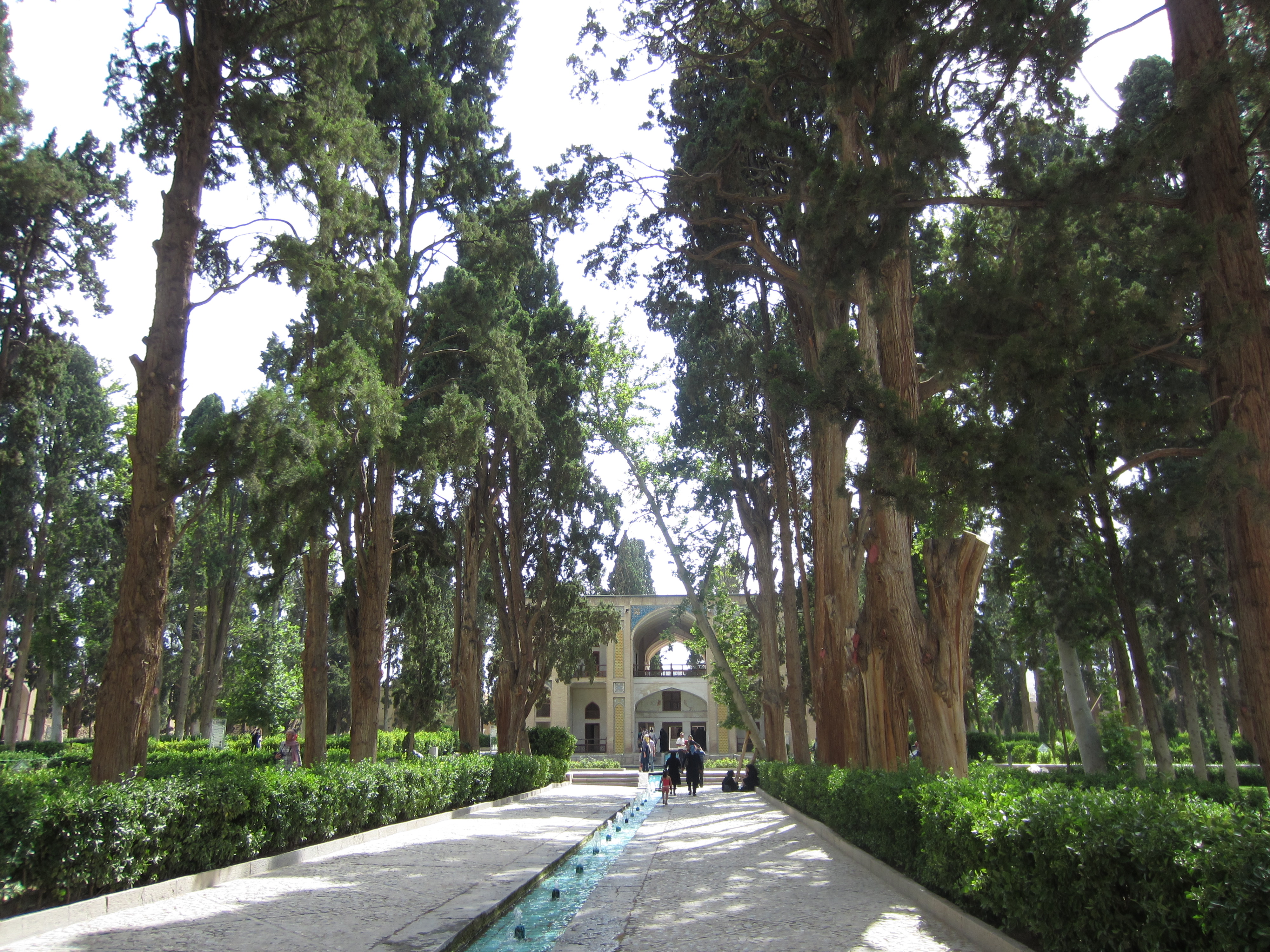
Iran’s Isfahan Province: Kashan – Fin Garden Series

Iran, Kashan Fin Garden

Fin Garden in Kashan, Iran

Iran’s 5200-year-old Shahr-e Sukhteh (Burnt City) joins UNESCO World Heritage List

The 5200-year-old Shahr-e Sukhteh (Burnt City) located in southeastern Iran was registered on UNESCO’s World Heritage List on Sunday. The site was registered with no opposing vote during the 38th session of the World Heritage Committee …

https://i0.wp.com/www.payvand.com/news/14/jun/Shahr-e-Sukhteh--Burnt-City-ruins-Iran-1-HR.jpg
Located 57 kilometers from the Iranian town of Zabol in Sistan-Baluchestan Province, the Burnt City was excavated for the first time by the Istituto Italiano per l’Africa e l’Oriente (IsIAO) team led by Maurizio Tosi in 1967. […]

After a 19-year hiatus, a team led by Professor Seyyed Mansur Sajjadi began studies on the Burnt City and conducted 22 seasons of excavations at the site.

A 10-centimeter ruler with an accuracy of half a millimeter, an artificial eyeball, an earthenware bowl bearing the world’s oldest example of animation and many other artifacts have been discovered among the ruins of the city in the course of the 22 seasons of archaeological excavations conducted by Iranian teams. […]

An archaeological team, which will be led by Sajjadi, is scheduled to reconstruct the ancient society of the Burnt City during the new excavation season this year in October.

Sixteen Iranian ancient and historical sites have previously been registered on UNESCO’s World Heritage List.

https://i0.wp.com/www.payvand.com/news/14/jun/Shahr-e-Sukhteh--Burnt-City-ruins-Iran-14-HR.jpg

More photos: Payvand News of Iran

Volleyball: Iran beats 4 time World Champion Italy in FIVB World League two times in a row

On Friday, Iran beat Italy in straight sets (25-18, 25-20, 25-15) at a packed Azadi Hall in Tehran.

http://www.payvand.com/news/14/jun/1144.html
and on Sunday:

Iran saw off Italy with a four-set (25-22, 25-19, 19-25, 25-20) victory in the FIVB Volleyball World League Pool A match in Tehran’s Azadi Hall on Sunday afternoon.

http://www.payvand.com/news/14/jun/1155.html

Photos: Iranians celebrate their teams performance in the Football World Cup after Iran-Argentina game

https://i0.wp.com/www.payvand.com/news/14/jun/Iranians-celebrate-after-Argentina-game-1-HR.jpg

Although Iran lost the game with the last minute goal by Lionel Messi, the Iranian team, regarded as the obvious underdog against the powerhouse Argentina, surprised all expectations blocking every attack in the first half and even raised hopes of a possible victory in the second half with several strong strikes against the Argentine goal.

https://i0.wp.com/www.payvand.com/news/14/jun/Iranians-celebrate-after-Argentina-game-2-HR.jpg

https://i0.wp.com/www.payvand.com/news/14/jun/Iranians-celebrate-after-Argentina-game-27-HR.jpg

More photos:

http://www.payvand.com/news/14/jun/1146.html

Talesh in province Gilan

Talesh Gilan Iran

Talesh Gilan Iran

Andranik Teymourian – Christian captain of Iran’s national team and national hero

Andranik Teymourian.jpg

Andranik Timotian-Samarani, known as Andranik “Ando” Teymourian, born March 6, 1983 in Tehran, Iran to ethnic Armenian parents. […]

Teymourian is an Iranian footballer who currently plays for Esteghlal in the Iran Pro League. He usually plays as a defensive midfielder, but can also play as a wide midfielder. From 2006 to 2010, he played for three clubs in England, including Bolton and Fulham in the Premier League.

He started to be recognized as a national hero in Iran because of the passion he showed for his country in the 2006 World Cup. […]

Teymourian played his first match for Iran in 2005, and has featured in the Iranian squad for the 2006 and 2014 World Cups, and also the 2007 and 2011 Asian Cups. He is notably the first Christian to captain the Iranian national team. Ref: Wikipedia

The American Soccer Coach on Iran’s Bench

FBL-WC-2014-IRI-TRAINING

Dan Gaspar coaches Iran’s goalkeepers for 2014’s Football World Cup in Brazil

[…] “It’s been a fantastic experience these last three years in Iran,” Gaspar tells TIME. “I’ve never felt being an American was a detriment. I have found it interesting, and everyone has been very respectful.” […]

“It’s quite a challenge. We look it as an advantage — our guiding principle has always been team above individual,” says Gaspar. “We have established a team that is humble, committed, that’s willing to follow a discipline that we have created.” […]

Read the full story here: Time | The American Soccer Coach on Iran’s Bench

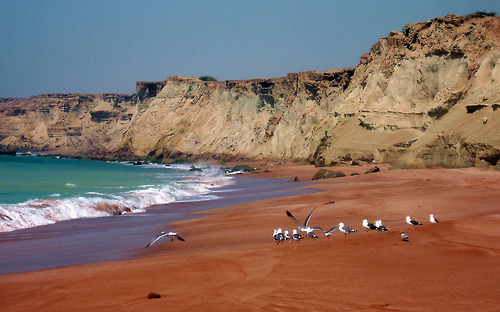
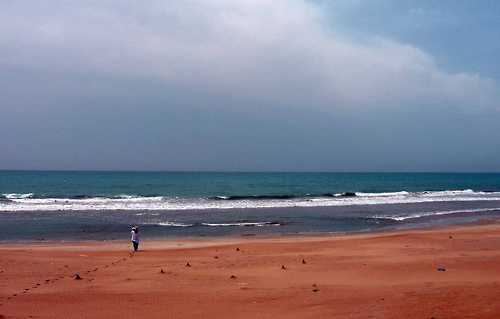
Chabahar – Iran

Image

Image

Iran – Kelardasht


Image

Iran – Kelardasht

Other photos from Iran: https://theotheriran.com/tag/photos/

Photos: Animal Hospital in Tehran, Iran


https://i0.wp.com/shahrefarang.s3.amazonaws.com/wp-content/uploads/2014/03/Animal-Hospital-Tehran-9757.jpg

https://i0.wp.com/shahrefarang.s3.amazonaws.com/wp-content/uploads/2014/03/Animal-Hospital-Tehran-8866.jpg

https://i0.wp.com/shahrefarang.s3.amazonaws.com/wp-content/uploads/2014/03/Animal-Hospital-Tehran-8908.jpg

https://i0.wp.com/shahrefarang.s3.amazonaws.com/wp-content/uploads/2014/03/Animal-Hospital-Tehran-9397.jpg

https://i0.wp.com/shahrefarang.s3.amazonaws.com/wp-content/uploads/2014/03/Animal-Hospital-Tehran-0038.jpg

https://i0.wp.com/shahrefarang.s3.amazonaws.com/wp-content/uploads/2014/03/Animal-Hospital-Tehran-0104.jpg

https://i0.wp.com/shahrefarang.s3.amazonaws.com/wp-content/uploads/2014/03/Animal-Hospital-Tehran-0144.jpg

https://i0.wp.com/shahrefarang.s3.amazonaws.com/wp-content/uploads/2014/03/Animal-Hospital-Tehran-0150.jpg


More pictures:
http://shahrefarang.com/en/animal-hospital-in-tehran/

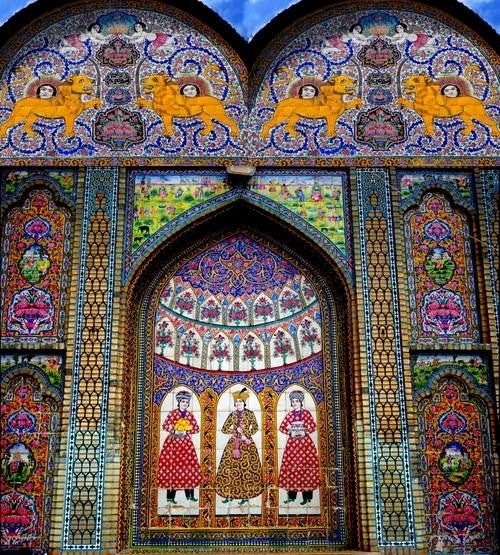
Ceiling and wall art

Image

German traveler Josh about Iran after Hitchhiking, Couchsurfing through the country

This is what Josh writes about Iran and Iranians on his site:

 What is Iran like?

 Iran is full of terrorists and you will be shot right at the border because George W. Bush said so. BULLSHIT…

 Iran is the most inviting country in the world and its people the nicest I have ever met in my entire life. A Persian person is the perfect human being and makes us Europeans, Americans especially and perhaps Australians look like terrorists. I can vouch for that.

Every day I was invited by strangers to eat with them. They helped wherever they could and hosted me when I was lost in the middle of the night in the streets of Tabriz. Not a single time was I asked for money or anything. Even when I tried to force them to take my money or whatever they wouldn’t, I didn’t stand a chance.

I’m pointing this out because I’m tired of hearing how bad Iran and its people are. They aren’t terrorists, only bad politicans who don’t represent the majority of the Iranian folk. Not in my opinion anyway.

no.8 – What to see in Iran?

 You could spend months or maybe even years in Iran and you wouldn’t get bored. It is full of history and culture. For some people Iran may appear like a big desert but even the countryside has a lot to offer. Tabriz for example in the north, was Iran’s former capital. Not far from there you can find Lake Urmia, the biggest lake in the Middle East and the third largest saltlake in the world. Other attractions of course include Tehran, Iran’s massive capital and one of the largest cities on earth, the Caspian Sea and the former city of Persepolis.
tehran damavand mountains

Travel your way from north to south. Don’t miss out on Isfahan, Yazd and Shiraz. Isfahan especially caught my attention and I was stunned by its architecure. In the center of the city you will find the Naqsh-e Jahan square. It was so amazing that I sat there all day long and went for a little time travel back in the days when kings still ruled this amazing country. This square had such an impact on me and I won’t ever forget this special occasion.

generally speaking, you will be surprised how easy it is to hitchhike in Turkey, Iran or Romania.

http://www.gotravelyourway.com/2013/07/25/the-how-to-hitchhike-to-iran-guide/#.U25nKaJmMek

Christian Composer and Coductor Loris Tjeknavorian – one of the most celebrated cultural figures in Iran

socialinform's avatarRemarkable people with Iranian roots

Loris Tjeknavorian (also spelled Cheknavarian, Armenian: Լորիս Ճգնավորյան; Persian: لوریس چکناواریان‎, born 13 October 1937) is an Iraniancomposer and conductor. He is one of the most celebrated cultural figures in Armenia and Iran.

As a composer Tjeknavorian has written 6 operas, 5 symphonies, choral works (among them God is love, The Life of Christ, the oratorio Book of Revelation, and a requiem), chamber music, ballet music, piano and vocal works, concerti for piano, violin, guitar, cello and pipa (Chinese lute), as well as music for documentary and feature films.

Born in Borujerd, Iran in 1937 to immigrant Armenian parents, …
Following this fruitful period of education, Tjeknavorian went back to Iran in 1961, where he taught music theory at the Tehran Conservatory of Music. At the same time, he was appointed director of Tehran’s Music Archives and put in charge of…

View original post 536 more words

Iranian Volleyball team wins (3-0) against the nine time champion of the world league Brazil in Brazil

http://www.payvand.com/news/14/jun/1047.html
http://www.fivb.org/viewPressRelease.asp?No=46157&Language=en#.U5OYuHY4Tc8


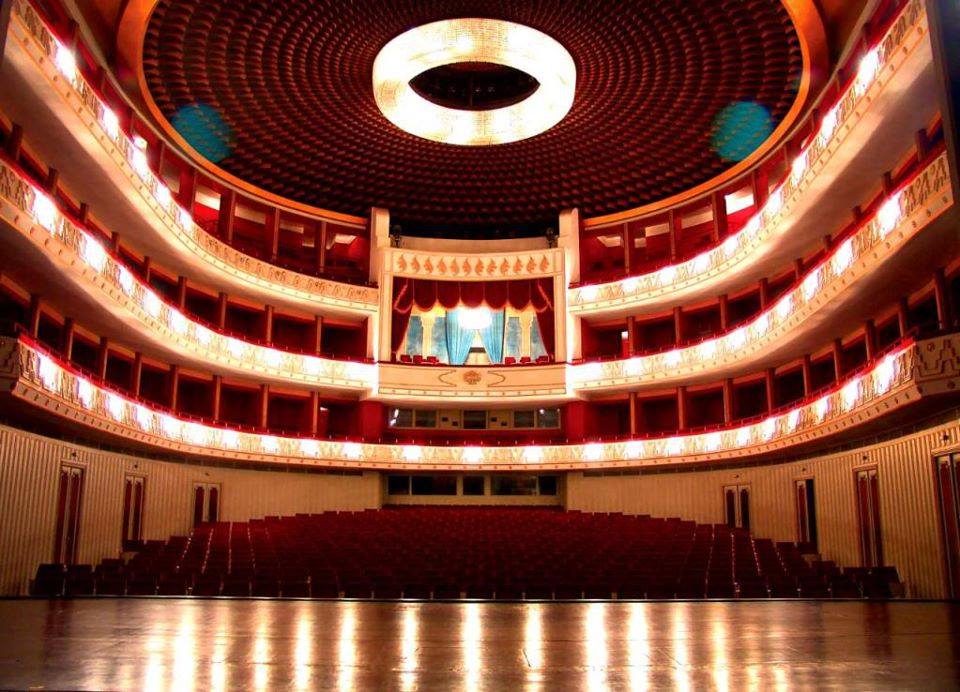
Tehran, Iran Roudaki Opera House aka Vahdat Hall

Tehran, Iran Roudaki Opera House aka as Vahdat Hall

Tehran, Iran Roudaki Opera House aka as Vahdat Hall

Vahdat Hall or Talar-e Vahdat (built 1967) is an opera house in Tehran, Iran. Architect Aftandilian designed the building, partly modelled after the Vienna State Opera. Prior to 1979 it was known as Talar-e Rudaki. Among the performances: Dundee Repertory Theatre, Mohammad Esmaili, Parvaz Homay, Leningrad Ballet, Marcel Marceau, Bagher Moazen, Gorgin Mousissian’s choir, Nour Ensemble, Pari Samar in Carmen, Tehran Symphony, Loris Tjeknavorian, Peyman Yazdanian. Other events in the space have included the Tehran Art Expo.[2]

http://en.wikipedia.org/wiki/Vahdat_Hall

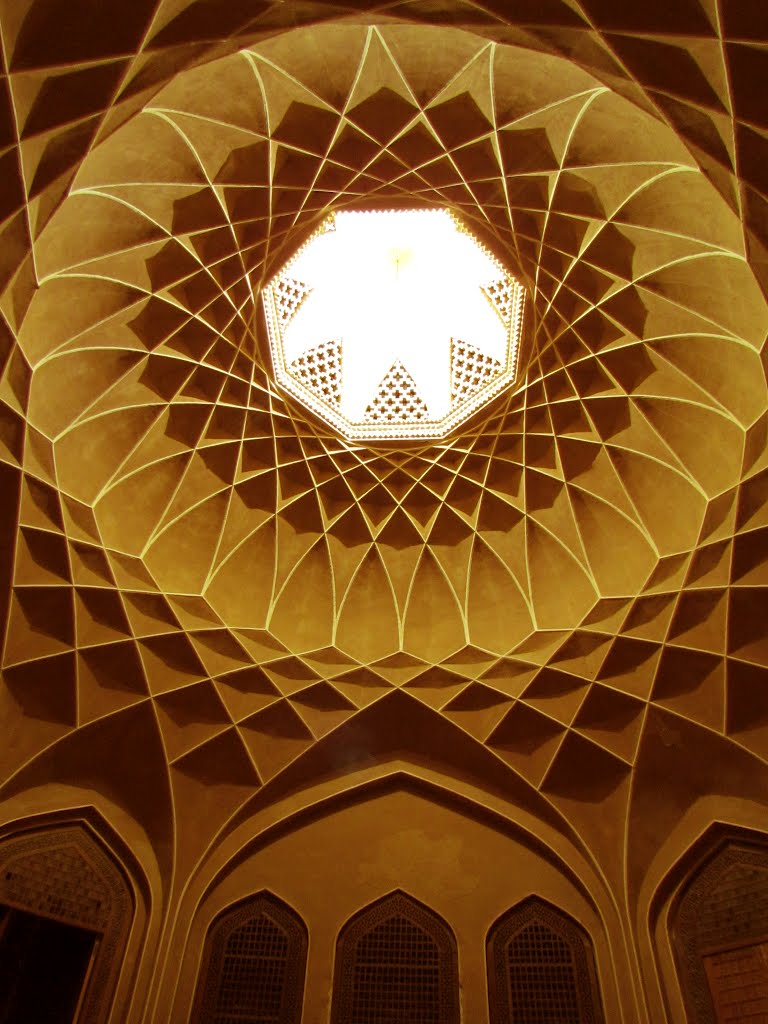
Yazd – Ceiling

Image

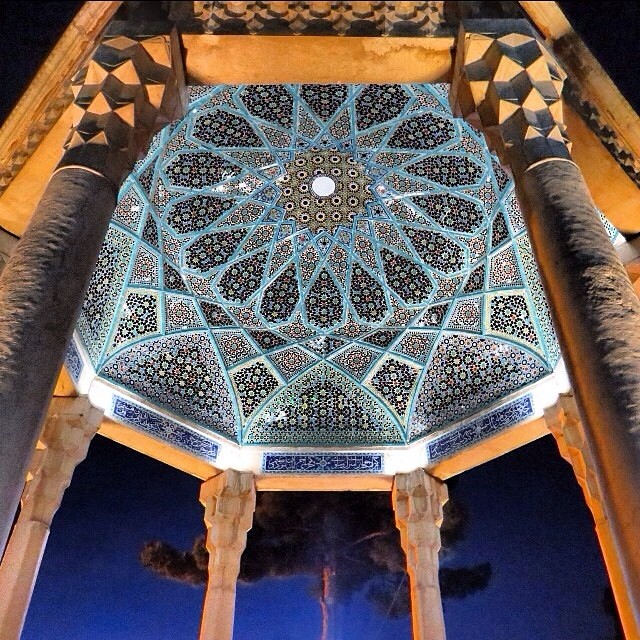
Tomb of famous poet Hafez II

Shiraz, Iran -Tomb of Hafez

Shiraz, Iran -Tomb of Hafez

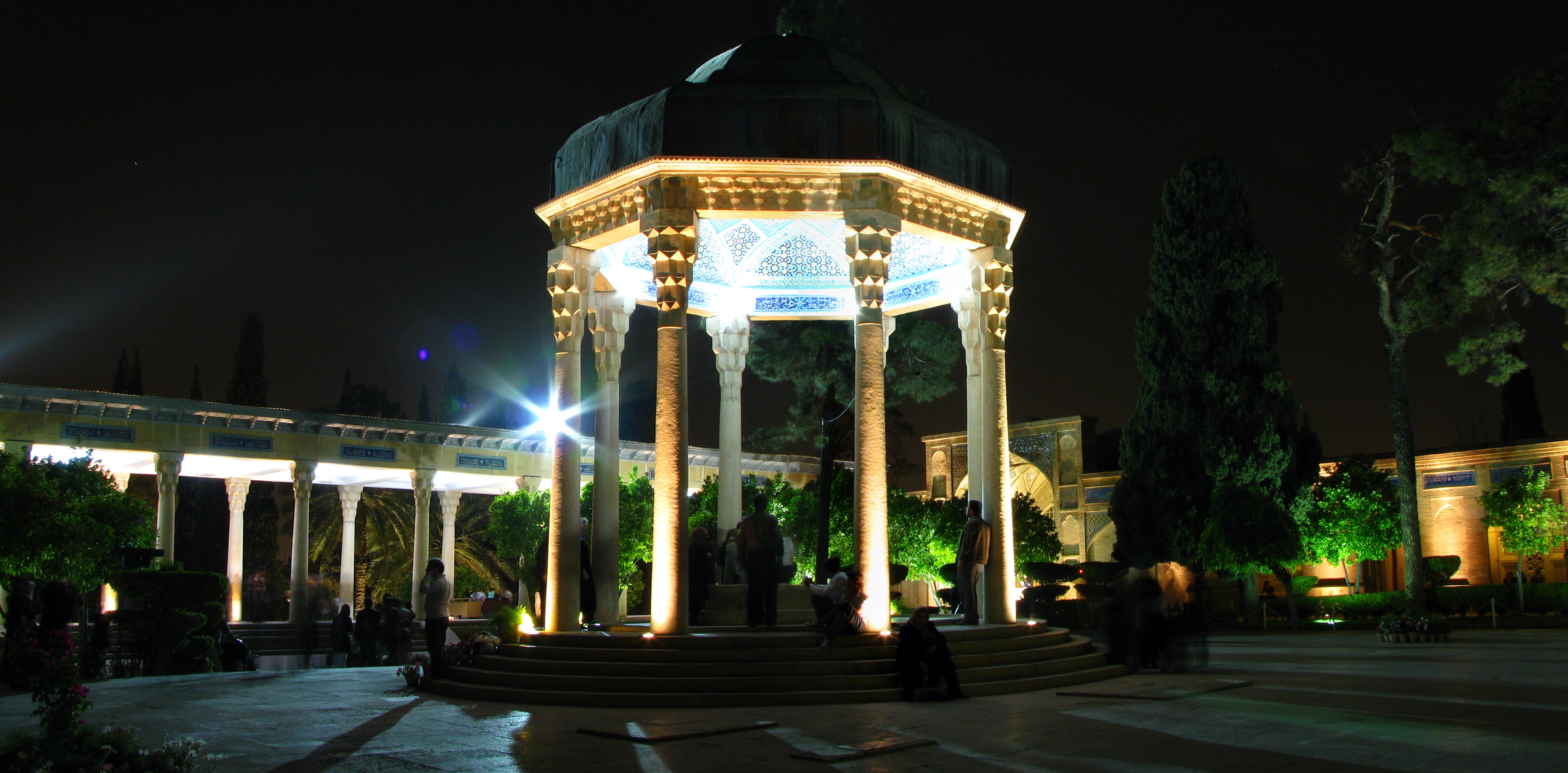
Tomb of famous poet Hafez I


Shiraz, Iran -Tomb of Hafez

Shiraz, Iran -Tomb of Hafez

Hafez was born in Shiraz, Iran. His parents were from Kazeroon (Fars Province).
Modern scholars generally agree that Hafez was born either in 1315 or 1317.

Today, he is the most popular poet in Iran. Libraries in many other nations other than Iran such as Azerbaijan, Armenia, and Georgia contain his Diwan.[6]

Much later, the work of Hāfez would leave a mark on such Western writers as Thoreau, Goethe, and Ralph Waldo Emerson—the latter referring to him as “a poet’s poet.”[citation needed] His work was first translated into English in 1771 by William Jones.

There is no definitive version of his collected works (or Dīvān); editions vary from 573 to 994 poems. In Iran, and Afghanistan,[10] his collected works have come to be used as an aid to popular divination.

Twenty years after his death, a tomb (the Hafezieh) was erected to honor Hafez in the Musalla Gardens in Shiraz. The current Mausoleum was designed by André Godard, French archeologist and architect, in the late 1930s. Inside, Hafez’s alabaster tombstone bears two of his poems inscribed upon it.

Goethe fans will also know this:
http://en.wikipedia.org/wiki/West-%C3%B6stlicher_Diwan

Source:
http://en.wikipedia.org/wiki/Hafez

Shiraz – Narenjestan e Ghavam

Image

Qavam House (also widely called “Narenjestan e Ghavam“) is a traditional and historical house in Shiraz, Iran.

It was built between 1879 and 1886[1] by Mirza Ibrahim Khan.

During the second Pahlavi era, the House became the headquarters of Pahlavi University‘s “Asia Institute”, directed by Arthur Upham Pope and Richard Nelson Frye. Frye and his family also lived in the house for a while.

The house today is a museum and is opened to the public.

http://en.wikipedia.org/wiki/Qavam_House


Tehran – Azadi (Freedom) Tower Series

Image

Tehran – Azadi Tower

Shiraz – typical atrium

Image

Tehran – Day Series

Image

Tehran, Iran

Tehran – Azadi (Freedom) Tower Series

Image

Facts

One of the most familiar landmarks of Tehran.
Included in the building is a cultural centre with a library, a museum and several art galleries.

The entrance of the tower is directly underneath the main vault and leads into the Azadi Museum on the basement floor.

The main display is occupied by a copy of the Cyrus Cylinder (the original is in the British Museum).

The monument acts as a grandiose gateway to the Iranian capital, and is surrounded by a large plaza (approx. 50,000 m²).

Built in 1971 in commemoration of the 2,500th anniversary of the Persian Empire, this “Gateway into Iran” was named the Shahyad Tower, meaning “Kings’ Memorial”, but was dubbed Azadi (Freedom) after 1979. It is 50 meters (164 ft) tall and completely clad in cut marble.

More info:
http://en.wikipedia.org/wiki/Azadi_Tower

Tehran Night Series

Image

Tehran, Iran

Series: Cool Buildings of Tehran III

http://www.mymodernmet.com/profiles/blogs/mehdi-ghadyanloo-murals?fb_action_ids=10201903913985563&fb_action_types=og.likes

Tehran – Night Series I

TEHRAN_Night Skyline

Tehran – Night Skyline