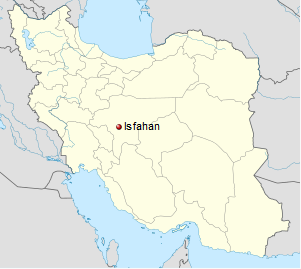
Zayanderud (literally ‘river that gives life’) is the largest river in the central plateau of Iran. It starts in the Zagros mountain range in western Iran and runs 400km to the east before ending in the Gavkhouni Swamp, a seasonal salt lake, southeast of Isfahan city, in the central part of the country.
The Zayanderud Dam had its floodgates opened on Friday to supply the water required for farmers’ autumnal crop growing. The increase in discharge of the Zayanderud is making the landscape along the river even more enjoyable (see photos below).


Photos: The Zayanderud flowing through Chaharmahal and Bakhtiari on its way to the city of Isfahan
Sources: Tasnim News Agency, PressTV

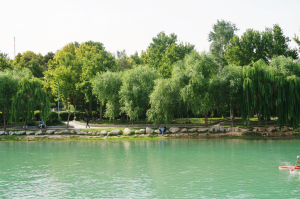 The Zayanderud (Zayandeh River) is the largest river in the central plateau of Iran. It crosses directly through the city of Isfahan. In 2010, the river dried out completely after several years of draught. Today the river flows with water once again, however the city continues to close and open the dam throughout the year depending on water shortages throughout the districts. The water that forms the river originates from the inside of the Zagros Mountains and flows 400 kilometers. The 400 km of river is spanned by may historical bridges that were built in the Safavid era. The Zayanderud is the reason for the prosperity of the central Iranian provinces of Isfahan and Yazd. Two of the most famous bridges on the Zayanderud are the Siosepol (33 Bridge) and Pol-e Khaju (Khaju Bridge).
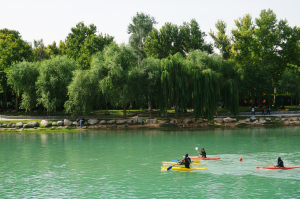 Women wearing head-to-toe hijab are having kayaking practice on the Zayanderud. They are padding upstream while…




 The other Iran